As the Aboriginal Health Peak Body in New South Wales, the Aboriginal Health and Medical Research Council (AH&MRC NSW) is committed to working with the government of the day to develop and deliver policies and programs for our people. Over the years, the AH&MRC has been able to develop strong relationships with successive governments and ensured that they’ve been held to account for commitments made to our communities.
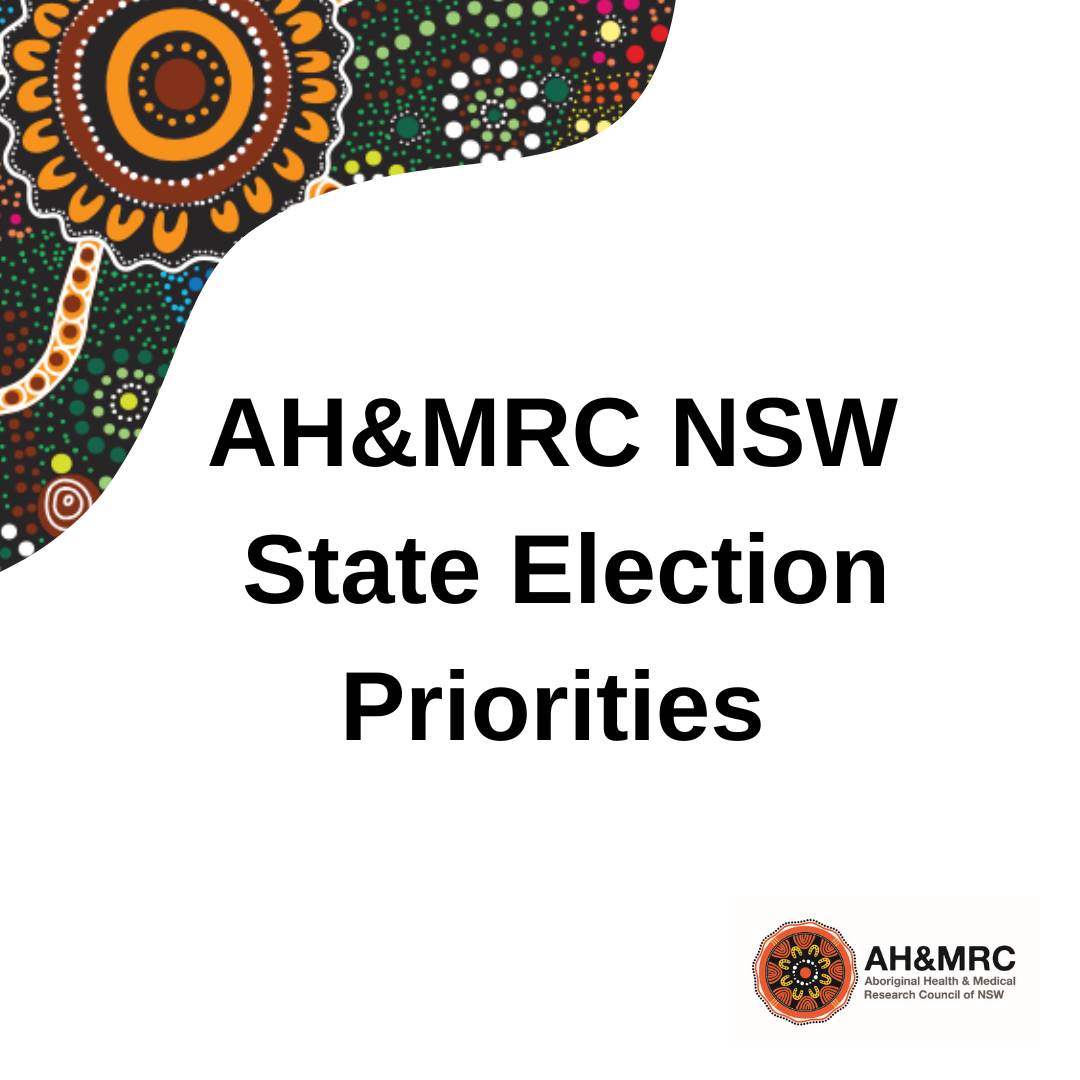
The NSW State election will be held on 25 March 2023. This election will appoint members of the 58th Parliament of New South Wales. Heading into this election, the AH&MRC’s wants to see a real commitment from the incoming government, to invest in Aboriginal health equity and put Aboriginal health in Aboriginal hands, in recognition of the vital role played by the Aboriginal community-controlled sector.
What we want to see:
Supporting the Aboriginal Health Workforce
Equitable Funding for community-controlled health services
Investing in Aboriginal Health, Infrastructure
Supporting Aboriginal governance across the health system
Investing in holistic, muti-disciplinary models of care
Closing the Gap
Read the full document here: AH&MRC Election Priorities 2023
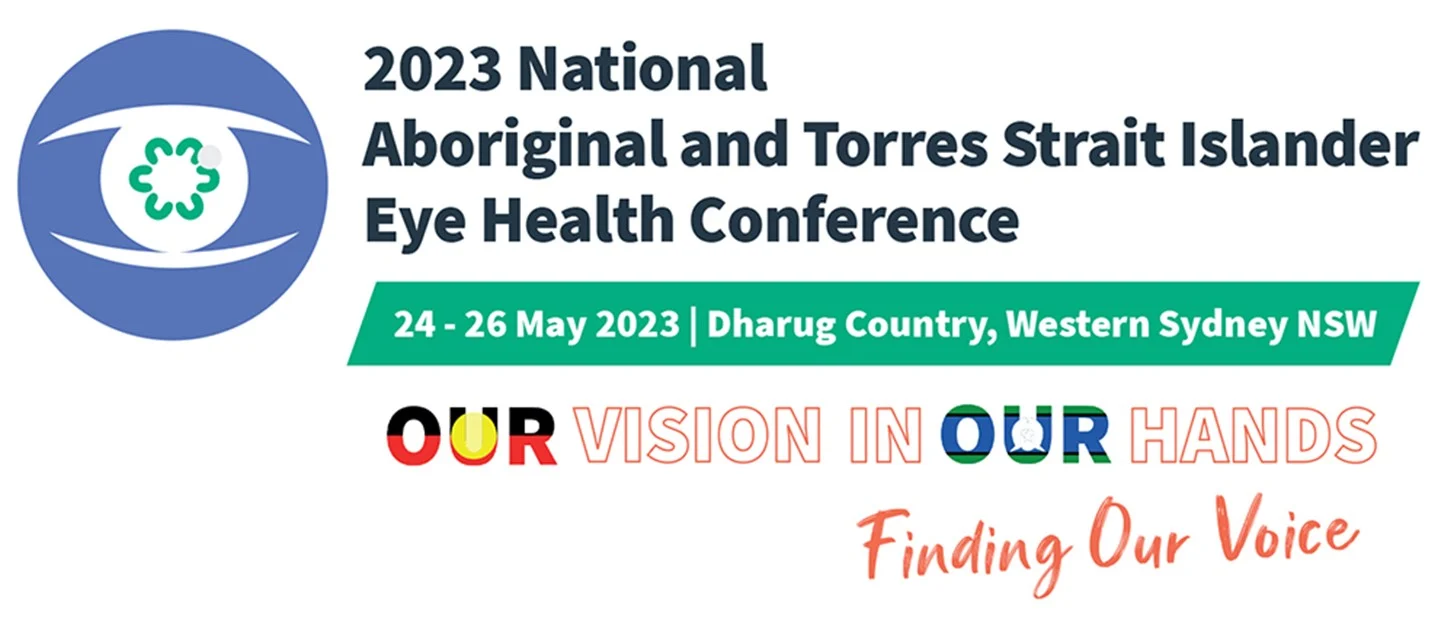
Please join us at the National Aboriginal and Torres Strait Islander Eye Health Conference 2023 (NATSIEHC23)
AH&MRC are the 2023 co-host of the 2023 National Aboriginal and Torres Strait Islander Eye Health Conference (NATSIEHC23), which will be held on Dharug Country in Western Sydney from Wednesday 24 to Friday 26 May 2023. This is a First Nations-led, cross-sector Conference, organised annually since 2017. The 2023 Conference is led by the National Experts Group on Aboriginal and Torres Strait Islander Eye Health (NEGATSIEH) through a Conference Leadership Group and supported by the Indigenous Eye Health Unit (IEHU) at The University of Melbourne.
Abstracts are open to 3 March, under the general Conference theme, Our Vision in Our Hands: Finding Our Voice. Abstracts preparation support is available. Please find more information on our website.
Awards: The 2023 National Aboriginal and Torres Strait Islander Eye Health Awards, which are awarded at the Conference gala dinner, are open for nominations to 21 April. These awards have been handed to individuals, groups, and organisations that made a notable contribution to Aboriginal and Torres Strait Islander eye health. Organisers are particularly interested in identifying and acknowledging the many ‘unsung heroes’ in Aboriginal and Torres Strait Islander eye health. Please find categories and registration information on our website.
Bursaries: Applications for bursaries are open to 31 March to support First Nations People to be able to attend and participate. Please see our website for more information and to apply.
This Conference is an exciting opportunity to immerse in discussions and connections with colleagues from across Australia, all working towards the shared commitment of ending avoidable vision loss and blindness for Aboriginal and Torres Strait Islander Australians. All information about the Conference, registration, abstract preparation and submission and awards nominations, can be found on the Conference website. [embedded link: https://mspgh.unimelb.edu.au/centres-institutes/centre-for-health-equity/research-group/ieh/roadmap/conference/2023-NATSIEHC ]
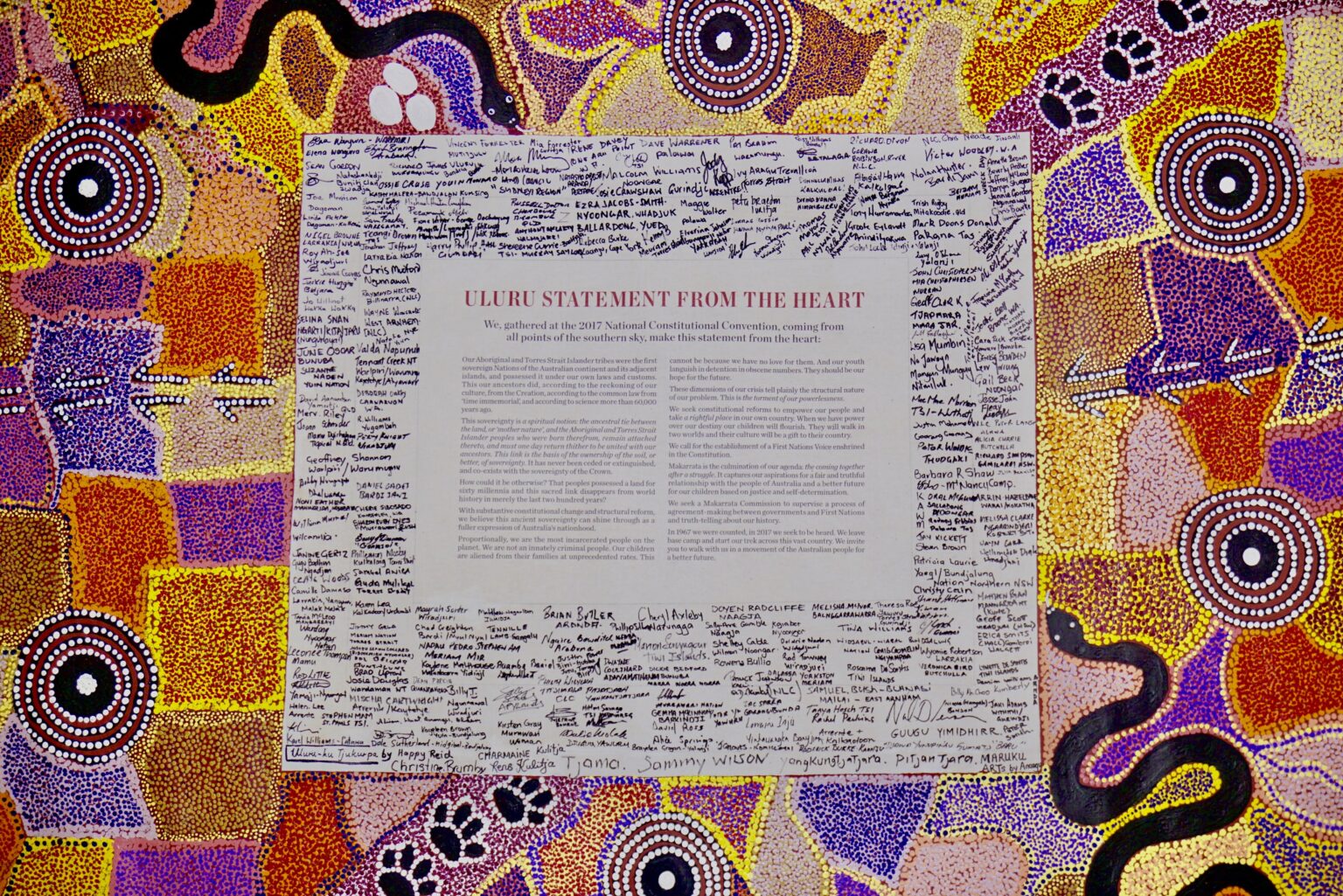
As we embark on the long-awaited national referendum to recognise Aboriginal and Torres Strait Islander people in the Australian Constitution, the AH&MRC reaffirms its support for the Uluru Statement from the Heart.
The 2017 Uluru Statement from the Heart called for:
Constitutional recognition for Aboriginal and Torres Strait Islander peoples;
Makarrata (agreement making/ treaties); and
Truth-telling.
As the Aboriginal Community-Controlled Health Peak Body in New South Wales, the AH&MRC works to support thriving and empowered Aboriginal and Torres Strait Islander communities. We recognise that the achievement of this vision will require significant work to address the structural problems that have created the gap between Indigenous and non-Indigenous Australians.
The AH&MRC notes that shared decision making, and self-determination are core tenets of the National Agreement on Closing the Gap, to which the Commonwealth, State and Territory governments are signatories. The National Agreement acknowledges that our people have faced disadvantage, political exclusion, intergenerational trauma and institutional racism. It emphasises the need for a fundamental shift to a system in which our people are engaged as equal partners, acknowledging that we are best placed to make decision for our communities.
The AH&MRC also believes that the mechanism for operationalising Constitutional recognition under the Uluru Statement, must be developed by Aboriginal and Torres Strait Islander people, and not dictated by government.
It is high time that we as Aboriginal and Torres Strait Islander people have a say in the matters that impact on us.
The Aboriginal Health and Medical Research Council of NSW has authored a paper titled “Aboriginal Community Controlled Health Workforce – the Impact of COVID-19”.
In this paper we have taken a comprehensive look beyond COVID-19’s impact, to the historical and ongoing problems of workforce shortages in the Aboriginal Community Controlled Health sector. We are advocating for greater support from all levels of government.
Key issues discussed apart from the impact of COVID-19 include:
chronic short staffing
contingent workers
lack of affordable housing
increased cost of living
impact of fragmented funding models.
We have presented several possible solutions to the chronic shortages including:
creating and supporting a dedicated ACCHO workforce,
supporting health career pathways
providing funding to enable wage parity of the ACCH sector with government and private sectors.
AH&MRC NSW is passionate about supporting ACCHOs in NSW and will continue striving to develop the Aboriginal and Torres Strait Islander workforce.
The Strengthening Medicare Taskforce recently released its final Report, with recommendations for reforms to the funding and delivery of primary care. The taskforce was convened in July 2022, to provide recommendations to government on:
improving patient access to general practice, including after hours;
improving patient access to GP-led multidisciplinary team care, including nursing and allied health;
making primary care more affordable for patients;
improving prevention and management of ongoing and chronic conditions; and
reducing pressure on hospitals.
Its work is backed by the government’s $750 million Strengthening Medicare Fund.
The AH&MRC broadly supports the Taskforce’s recommendations. In December 2022, our organisation released a Medicare Position Statement, which highlighted the challenges faced by Aboriginal Community Controlled Organisations (ACCHOs) under the current Medicare system, which does not adequately reimburse them for the comprehensive, primary health services they provide.
The AH&MRC was pleased to note the Taskforce’s recognition of the vital role of Aboriginal health workers and Aboriginal Community Controlled Health Services in the provision of primary care. The Report particularly notes the need for funding systems to support team-based models of care, allowing providers such as ACCHOs to employ core teams and leverage flexible funding approaches that facilitate place-based solutions.
The Committee’s recommendations include:
Supporting general practice in management of complex chronic disease through blended funding models integrated with fee-for-service, with funding for longer consultations and incentives that better promote quality bundles of care for people who need it most.
Supporting better continuity of care, a strengthened relationship between the patient and their care team, and more integrated, person-centered care through introduction of voluntary patient registration.
Growing and investing in Aboriginal Community Controlled Health Organisations (ACCHOs) to commission primary care services for their communities, building on their expertise and networks in local community need.
Developing new funding models that are locally relevant for sustainable rural and remote practice in collaboration with people, providers and communities.
Fast-tracking work to improve the supply and distribution of GPs, rural generalists, nurses, nurse practitioners and midwives, pharmacists, allied health, Aboriginal and Torres Strait Islander health workers and other primary care professionals.
Supporting local health system integration and person-centred acre through Primary Health Networks (PHNs) working with Local Hospital Networks, local practices, ACCHOs, pharmacies and other partners to facilitate integration of specialist and hospital services with primary care.
This report is a step in the right direction, however, the AH&MRC notes that the Committee’s recommendations are broad in nature and extensive work will need to be done by government to develop a robust reform program. Our sector wants to see a commitment from government to increase the rebate. We also note that without investment into ACCHO workforce and infrastructure, reforms to the Medicare system will have little impact.
The auDA Foundation has announced recipients of its $40,000 2022 Grant for an education, research or community project that will enhance the utility of the internet for the benefit of Australians. The Aboriginal Health and Medical Research Council (AH&MRC) was announced as one of the recipients.
AH&MRC is the peak body of ACCHOs in NSW and when it comes to conducting ethically and moral research, the one problem is shared research amongst all ACCHO’s and in real-time. This dashboard would help with all areas of research, create best practices in data management and benefit ACCHOs and in turn the First Nations communities that they service.
AH&MRC will use the findings from this research project for the creation of data analytics tools, that is developed for ACCHOs to assist in improving all areas of health for First Nations communities, which in time will potentially create a pathway for First Nations data sovereignty by creating an Aboriginal Community Controlled Health Dashboard.
David Roberts Director of Innovation and Training states “We are in a unique position to work with our members in conducting research to assist the development of an Aboriginal Community Controlled Health Dashboard. We will use the findings from this research for the creation of a data analytics tool to assist in improving the holistic health of First Nations communities of NSW.”
This project will start in the planning phase in the second half of 2023 and will launch in 2024.
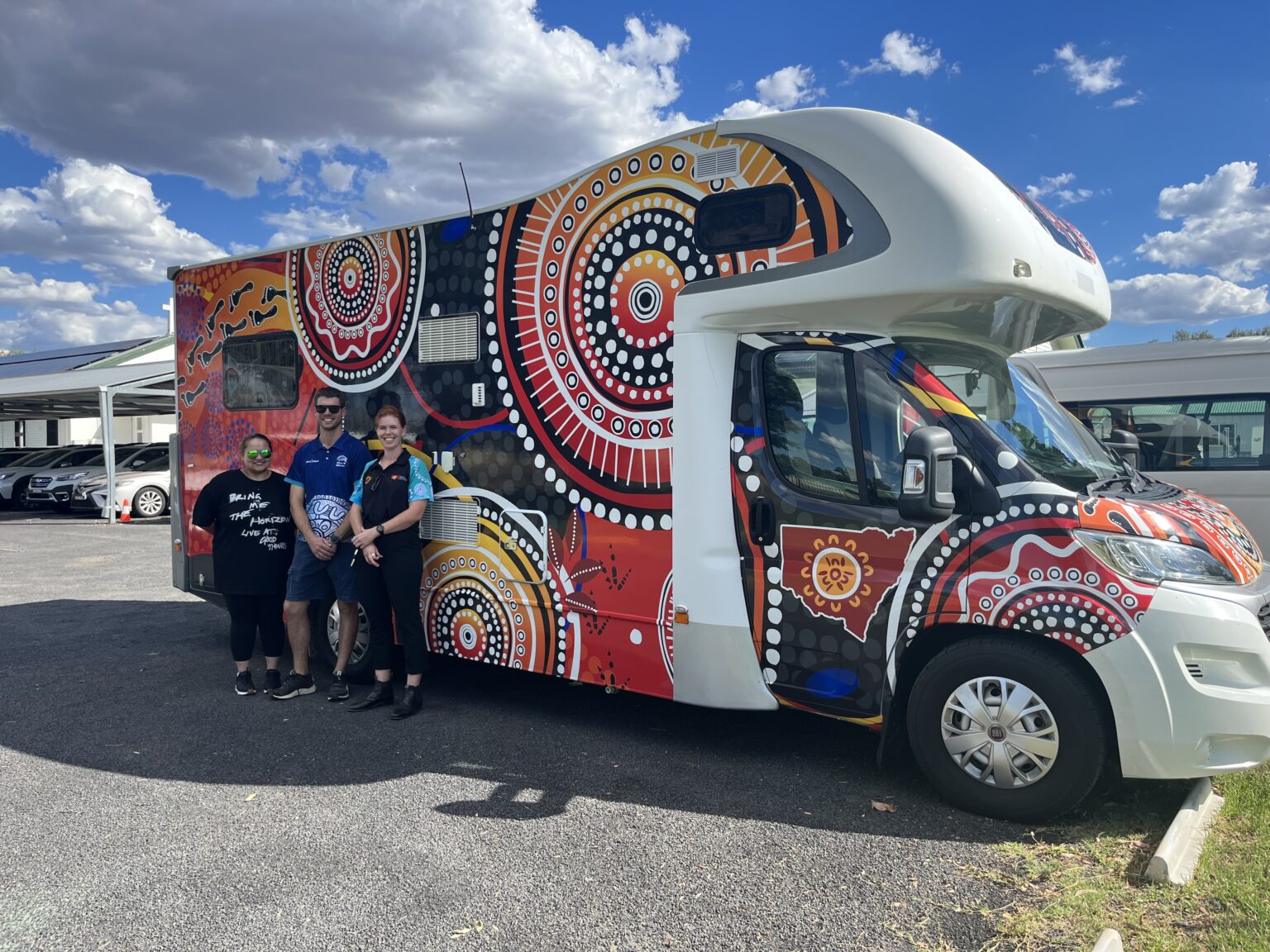
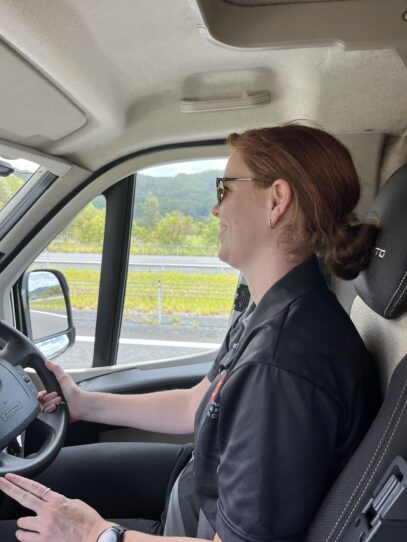
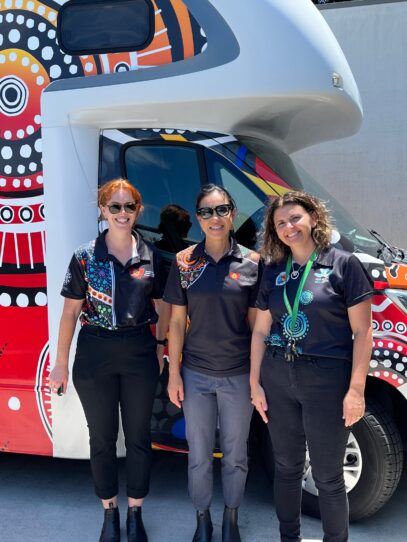
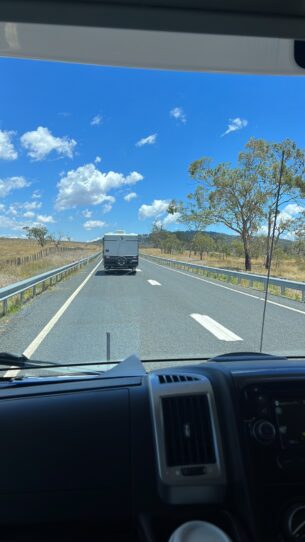
Two members of our Public Health Team, Dr. Kath Keenan and Lauren Owen drove the Aboriginal Health and Medical Research Council (AH&MRC) mobile health clinic from Ballina to Moree in a whirlwind 2-day trip on the 24th and 25th of January.
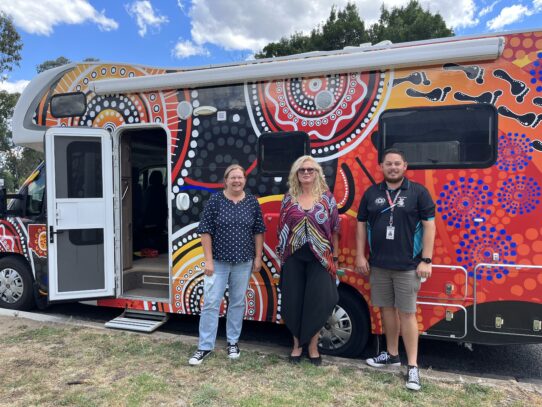
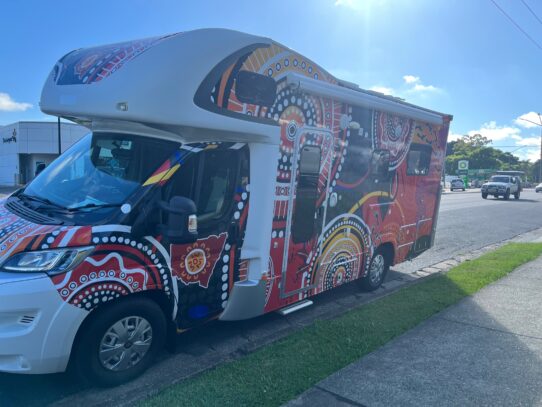
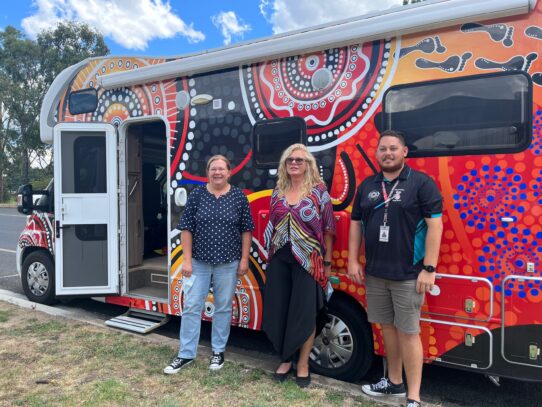
AH&MRC received support from BHP to purchase a motorhome to help with mobile clinics and vaccinations. The AH&MRC’s mobile health clinic has been with Bullinah Aboriginal Health Service for the past six months after flooding destroyed their clinic on Cabbage Tree Island. The mobile health clinic was used by Bullinah Aboriginal Health Service to provide ongoing healthcare and support to the community until a temporary clinic was established in Wardell.
Kath and Lauren met with Jody Irwin, the CEO of Bullinah Aboriginal Health Service who gave them a tour of their facilities, before they hit the road on the way to Grafton in the mobile health clinic.
The team then met with the CEO of Bulgarr Ngaru Scott Monaghan in the South Grafton office before driving to Inverell and visiting Armajun. In Armajun they were kindly shown around the facility by Operations Manager Belinda Tully.
After a short stop in Armajun, Lauren and Kath set off to their final destination, Pius X in Moree. Arriving just before 5pm, Lauren and Kath successfully handed over the van to Pius X.
Pius X is planning to use the mobile health clinic for 3 months to deliver care to communities in Wee Waa and Narrabri where there are currently no bulk-billing GP services They also plan to use the van for health promotions in Toomelah and Mungindi.
If you are interested in using the van, or would like further information, please contact publichealth@ahmrc.org.au
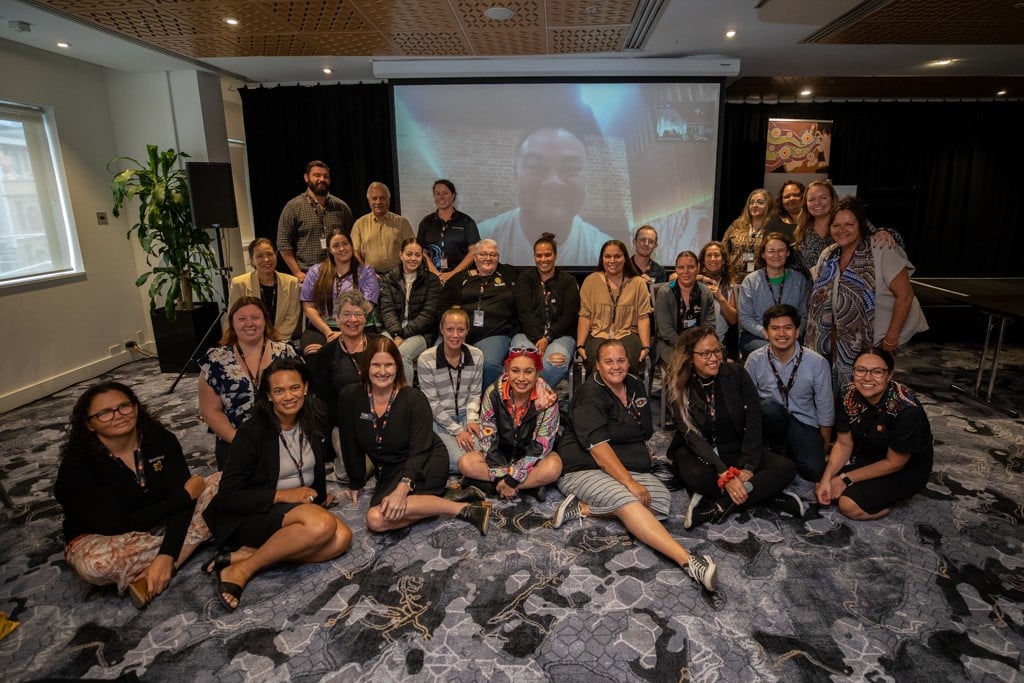
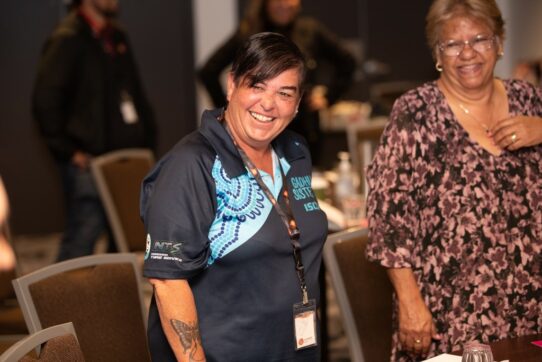
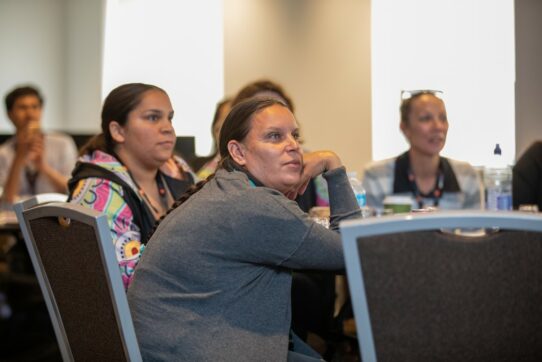
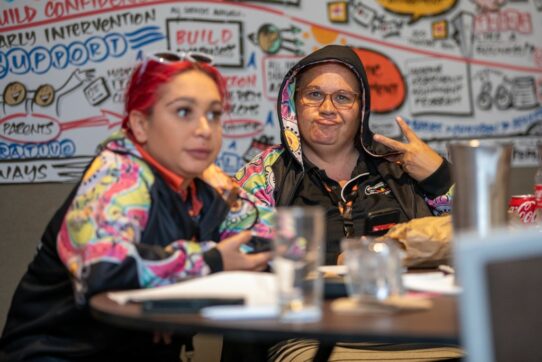
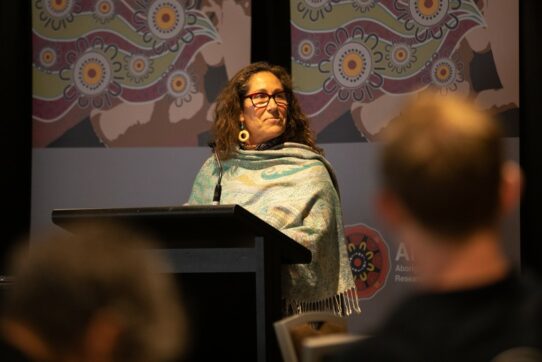
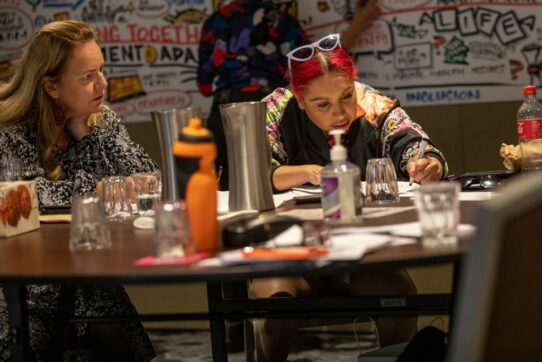
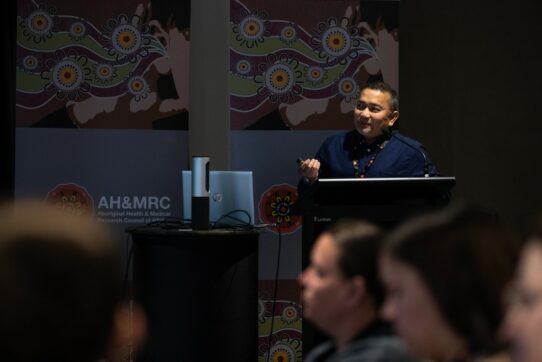
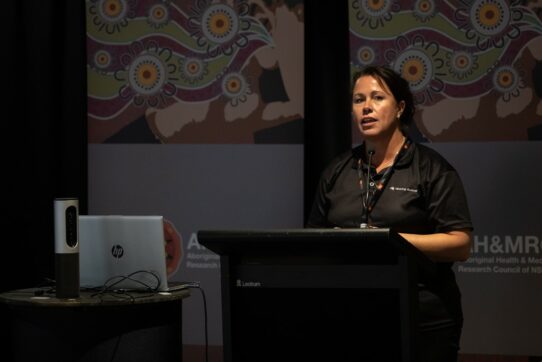
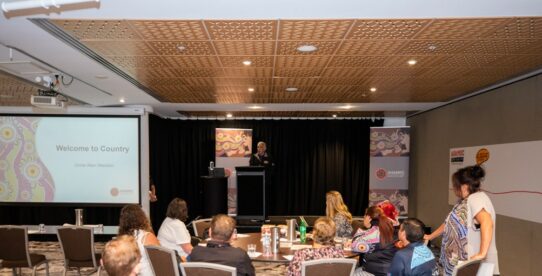
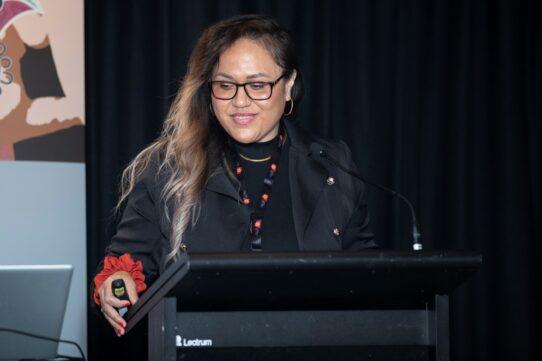
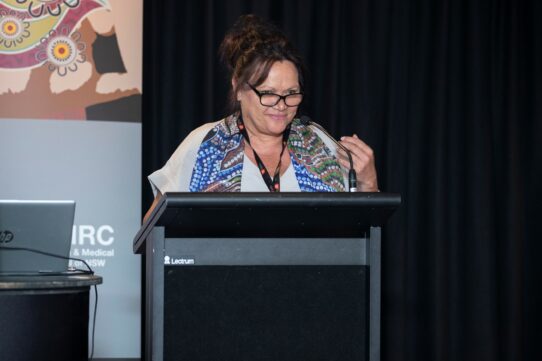
AH&MRC Ear Health Forum in collaboration with our Ear health stakeholders and Member Services was held at Mercure Hotel Sydney NSW on Gadigal country, on Friday 9th December 2022.
This event was a great opportunity for our ACCHO sector to discuss the critical issues around ear health, and also showcase health training and equipment that is available to them. We were also able to address gaps and barriers with this section, and solutions in how to get more accessible quality of care in Aboriginal Torres Strait Islander communities.
We received a high attendance with over 40 patrons across our Member Services, Stakeholders and also special guests.
Special thanks to Uncle Allen Madden for our Welcome to Country, and AH&MRC Director or Operation Joanne Grant who addressed the forum, and Nicole Turner who was our MC for the day.
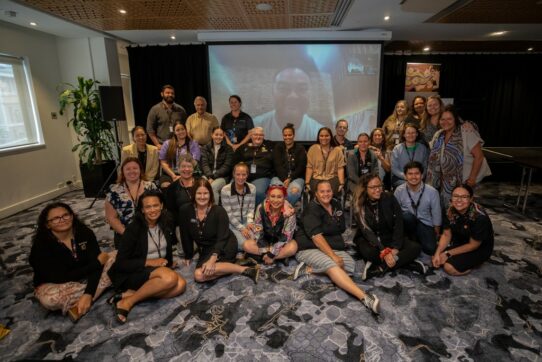
We’re also fortunate enough to have guest speaker via Zoom Professor Kelvin Kong who is an Otolaryngology, Head & Neck Surgeon (Ear Nose and Throat Surgeon) who has demonstrated history of working across the health industry, involved in clinical research, medical education, medicine, surgery, paediatrics, health policy and Indigenous education.
All our guest speakers were widely received, and included Rural Doctors Network, Hearing Australia First Nations Unit, Tafe NSW, Sonic Equipment, AH&MRC Service Performance and Quality Acting Manager Richie Garcia.
Finally, thanks to all the staff that helped put this event together.
SYDNEY, AUSTRALIA – DECEMBER 9: Ear Health Forum on December 9, 2022SYDNEY, AUSTRALIA – DECEMBER 9: Ear Health Forum on December 9, 2022SYDNEY, AUSTRALIA – DECEMBER 9: Ear Health Forum on December 9, 2022SYDNEY, AUSTRALIA – DECEMBER 9: Ear Health Forum on December 9, 2022SYDNEY, AUSTRALIA – DECEMBER 9: Ear Health Forum on December 9, 2022SYDNEY, AUSTRALIA – DECEMBER 9: Ear Health Forum on December 9, 2022SYDNEY, AUSTRALIA – DECEMBER 9: Ear Health Forum on December 9, 2022SYDNEY, AUSTRALIA – DECEMBER 9: Ear Health Forum on December 9, 2022SYDNEY, AUSTRALIA – DECEMBER 9: Ear Health Forum on December 9, 2022SYDNEY, AUSTRALIA – DECEMBER 9: Ear Health Forum on December 9, 2022SYDNEY, AUSTRALIA – DECEMBER 9: Ear Health Forum on December 9, 2022SYDNEY, AUSTRALIA – DECEMBER 9: Ear Health Forum on December 9, 2022SYDNEY, AUSTRALIA – DECEMBER 9: Ear Health Forum on December 9, 2022SYDNEY, AUSTRALIA – DECEMBER 9: Ear Health Forum on December 9, 2022SYDNEY, AUSTRALIA – DECEMBER 9: Ear Health Forum on December 9, 2022SYDNEY, AUSTRALIA – DECEMBER 9: Ear Health Forum on December 9, 2022
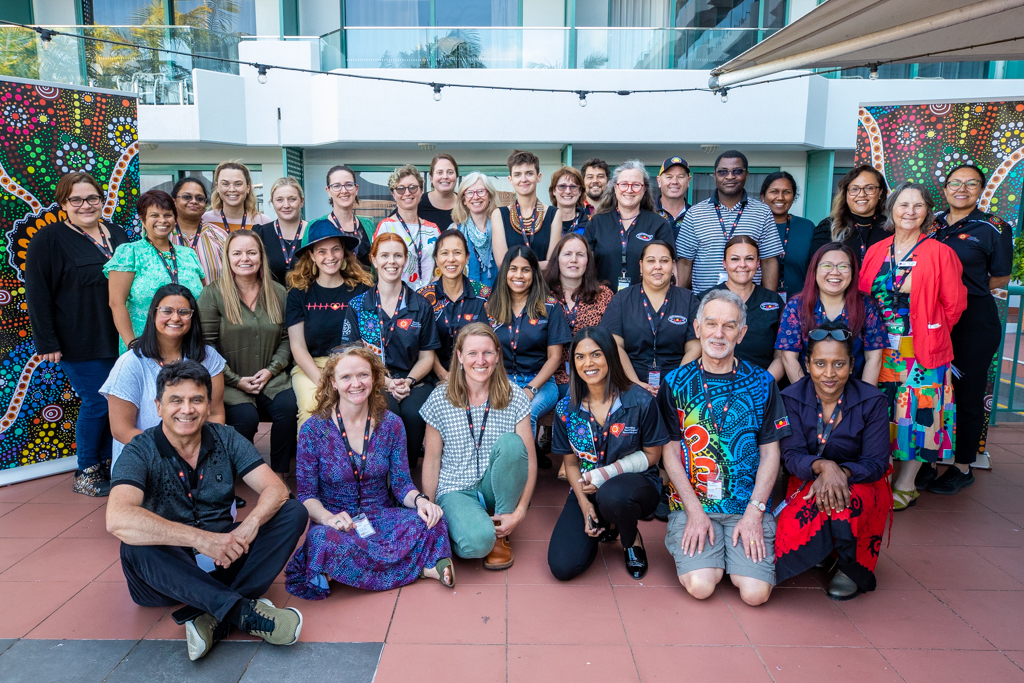
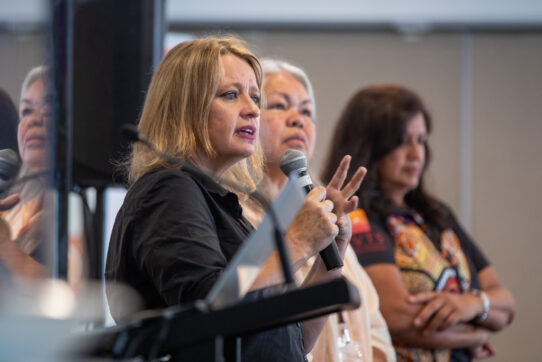
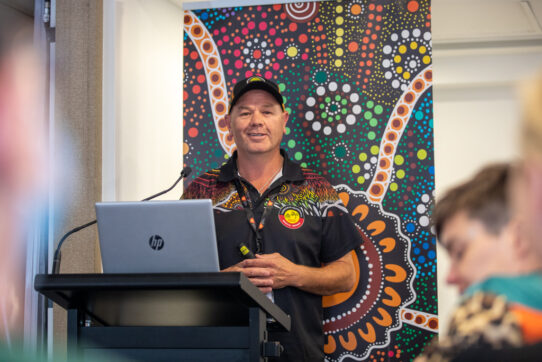
AH&MRC The Deadly Doctors Forum was held at the Crown Plaza Coogee beach on Bidjigal and Gadigal country, who traditionally occupy Sydney Coast.
This event was held on the 24th November 2022, with over 30 General Practitioners within the ACCHO sector.
This event is a great opportunity for General Practitioners who work in the ACCHO sector to network and discuss the critical issues that affect their work and the sector alike. The event left everyone feeling connected to a community of peers.
There were doctors from ACCHSs across NSW including Awabakal, Armajun, Illawarra, Bullinah, Tharawal, Dubbo, Katoomba, RivMed, Walhallow , Katungal, Durri and Redfern.
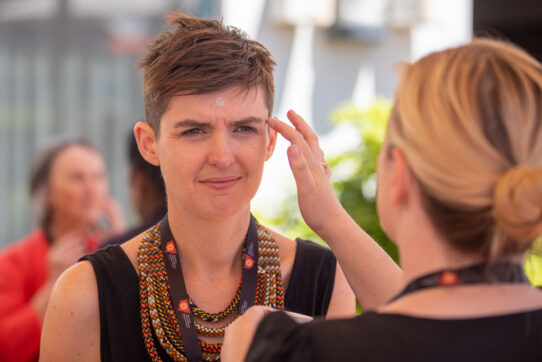
Those who attended were privileged to be able to participate in an ochre ceremony led by Susan Moylan-Coombs from the Gaimaragal Group as part of a session on Positive Cultural Appreciation, Self-Care and support for doctors working in ACCHSs.
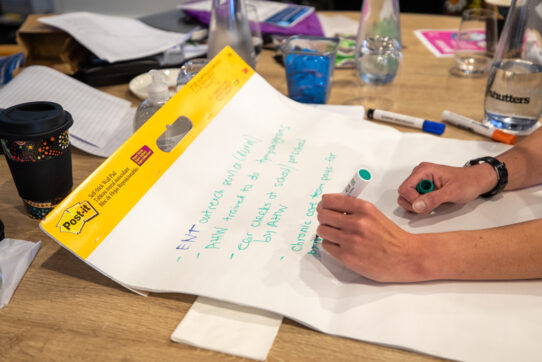
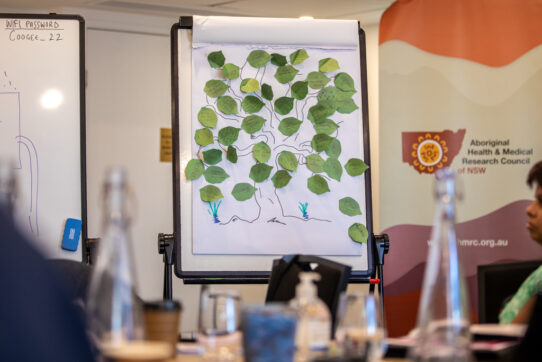
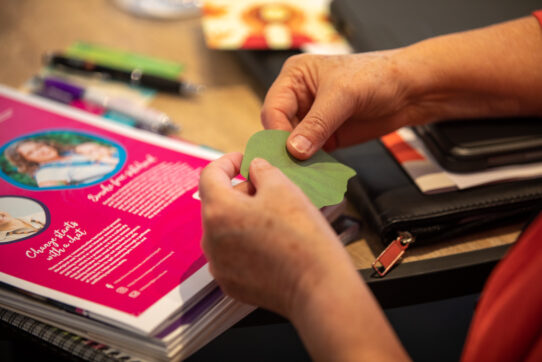
Dr Kathryn Hutt and Dr Ameeta Patel from Doctors Health NSW also presented and facilitated a session encouraging self-compassion and connection with peers; we all contributed to a ‘self-care tree’ where on each leaf participants wrote a suggestion of how health workers can look after ourselves, to enable us to look after others. This became a great talking piece throughout the day.
One of our guest speakers Dr Joe Lawler, consultant gastroenterologists and hepatologist in Sydney’s Inner West and in Western NSW, gave a presentation on Hepatitis B and C and bowel cancer screening in Aboriginal communities which was universally well received.
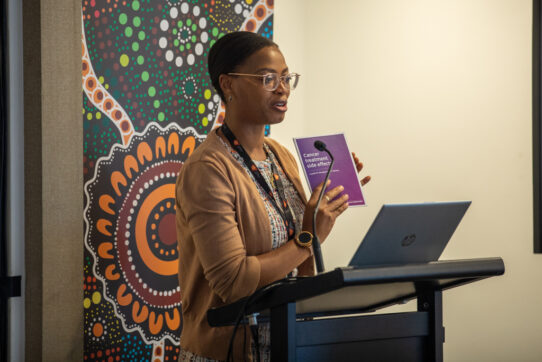
Another speaker was Ru Kwedza from the NSW Cancer Institute explained the background and findings of the ‘Aboriginal People in NSW Reporting for Better Cancer Outcomes Report’ to give doctors better insight into the impact of cancer in the Aboriginal Communities where they are working.
Chris Allan, Mental Health worker at Tamworth Aboriginal Medical Service explained how he and his team were supporting home detox for their community members saving them having to wait for long periods to getting into the very limited detox centres in their area.
We were lucky to have Kristy Williams (midwife), Annika Honeyset (Aboriginal Health Practitioner), and Dr Megan Elliott-Rudder to explain their innovative mums and bubs program that is delivered on site at Riverina Medical and Dental Aboriginal Corporation.
Finally, one of our AH&MRC Health Programs Officers Mafi Kailahi facilitated a round table on ear health giving participants the chance to give feedback on the new KPI’s being introduced in 2023 and what is working (and not working) in the ear health space.
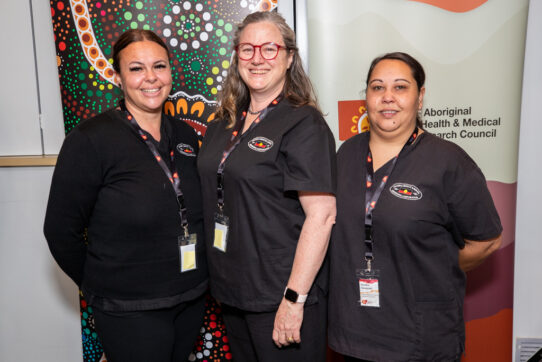
The day ended with a group photo with the sun shining and still time to walk down to the beach.
AH&MRC are looking forward to providing ongoing support for doctors working in the ACCHS sector in 2023. Watch this space for more information in 2023 and contact us publichealth@ahmrc.org.au if you would like to be included in our Deadly Doctors contact list.
SYDNEY, AUSTRALIA – NOVEMBER 24: AH&MRC Deadly Doctors Forum on November 24, 2022SYDNEY, AUSTRALIA – NOVEMBER 24: AH&MRC Deadly Doctors Forum on November 24, 2022SYDNEY, AUSTRALIA – NOVEMBER 24: AH&MRC Deadly Doctors Forum on November 24, 2022SYDNEY, AUSTRALIA – NOVEMBER 24: AH&MRC Deadly Doctors Forum on November 24, 2022SYDNEY, AUSTRALIA – NOVEMBER 24: AH&MRC Deadly Doctors Forum on November 24, 2022SYDNEY, AUSTRALIA – NOVEMBER 24: AH&MRC Deadly Doctors Forum on November 24, 2022SYDNEY, AUSTRALIA – NOVEMBER 24: AH&MRC Deadly Doctors Forum on November 24, 2022SYDNEY, AUSTRALIA – NOVEMBER 24: AH&MRC Deadly Doctors Forum on November 24, 2022SYDNEY, AUSTRALIA – NOVEMBER 24: AH&MRC Deadly Doctors Forum on November 24, 2022SYDNEY, AUSTRALIA – NOVEMBER 24: AH&MRC Deadly Doctors Forum on November 24, 2022SYDNEY, AUSTRALIA – NOVEMBER 24: AH&MRC Deadly Doctors Forum on November 24, 2022
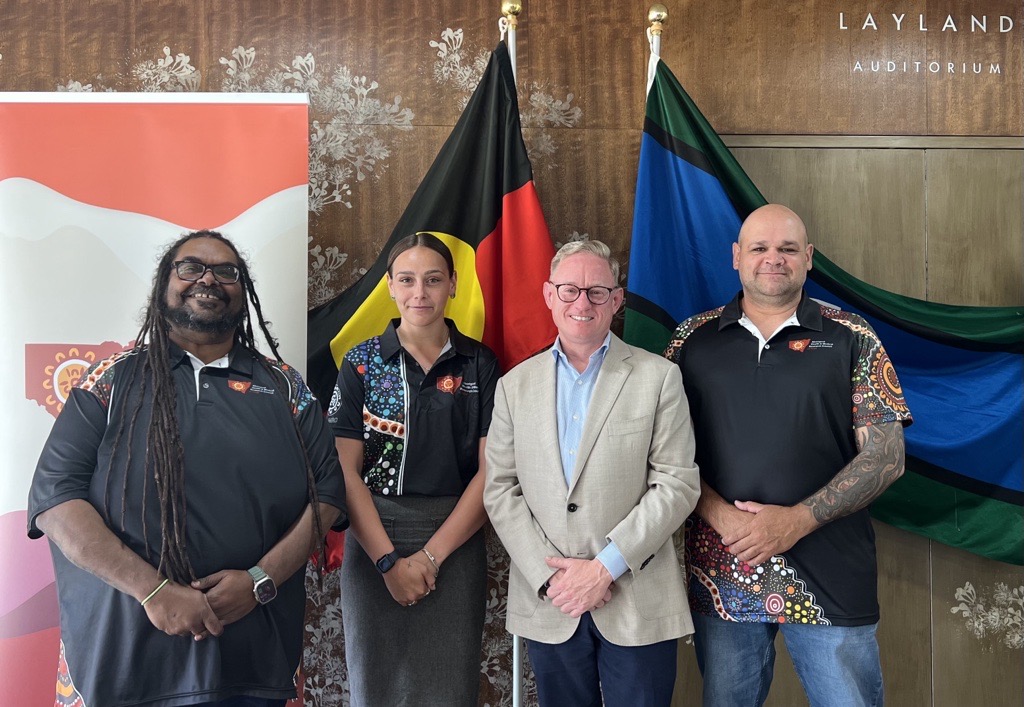
The NSW Government has announced $10.9 million in funding towards the Healthy Deadly Kids program (HDK) to enhance school attendance levels in Aboriginal communities across the State. The official announcement happened today at AH&MRC Training Institute in Little Bay today.
In 2019, Illawarra Aboriginal Medical Service designed and piloted this Indigenous community program as a way to promote healthy living education, aimed at primary school aged children from Early Stage 1 – Stage 3 that focuses on teaching a holistic view of health and wellbeing.
“I would like to acknowledge Illawarra Aboriginal Medical Service who established HDK as a school-based health program. Because of their initiative we now can expand this much needed program across many other areas and schools”. CEO of AH&MRC Robert Skeen explains.
The additional funding will support partnerships between Aboriginal Community Controlled Health Services and will help AH&MRC deliver it online and make it available to all Australian kids across all local schools.
Minister for Aboriginal Affairs Ben Franklin said this funding would empower and drive tangible change for Aboriginal communities across NSW in school attendance rates
“The NSW Government is committed to investing in outcomes, designed and delivered by Aboriginal people for all Aboriginal people and communities to prosper across our State,” Mr Franklin said.
“This funding will support an Aboriginal-led initiative aiming to enhance school attendance in Aboriginal communities whilst empowering and educating the younger generation to make positive changes around healthy eating and lifestyle choices.
“This investment, which builds on the historic $716 million announced in the 2022/23 State Budget, will further shift the dial on Closing the Gap and deliver positive outcomes for Aboriginal people across NSW.”
CEO of AH&MRC Robert Skeen said this additional funding would allow the program to make a significant impact in Aboriginal communities across the State.
“The AH&MRC is excited to work with our members to deliver comprehensive school-based health programs throughout NSW. We would like to thank the NSW Government for their ongoing support in addressing the disparities in Aboriginal health,” Mr Skeen said.
“The program has already had a positive impact, with students who have lived through, and are still living in an intergenerational trauma cycle who have aspirations for their future.”
The program will be rolled out in 14 priority locations across the state including Broken Hill and Wellington and will benefit over 2000 children.