Our People to Live Stronger & Longer

AH&MRC 2023 Continuous Quality Improvement (CQI) State Forum

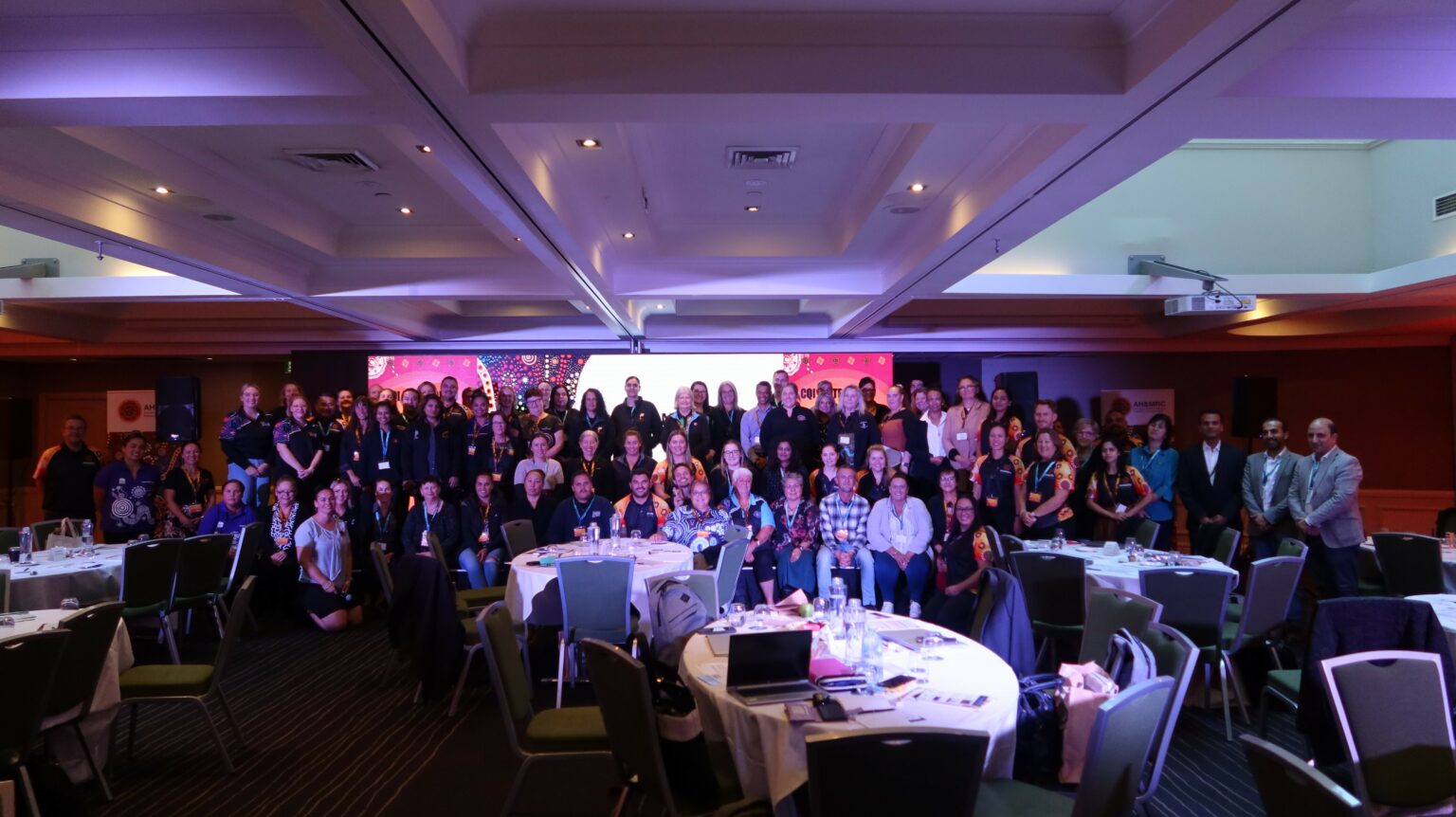
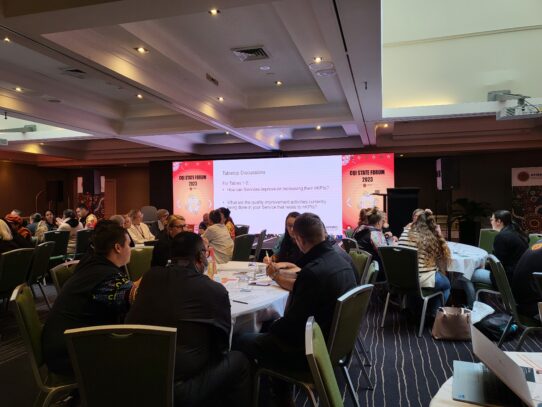
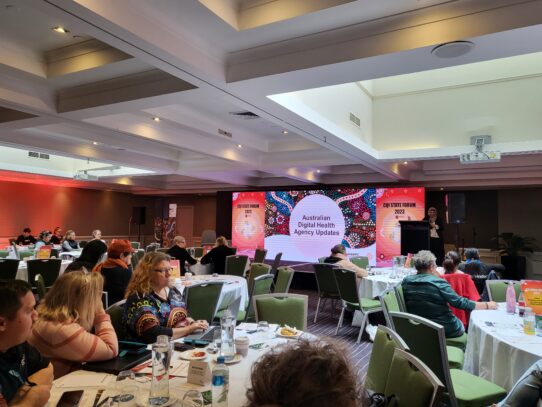
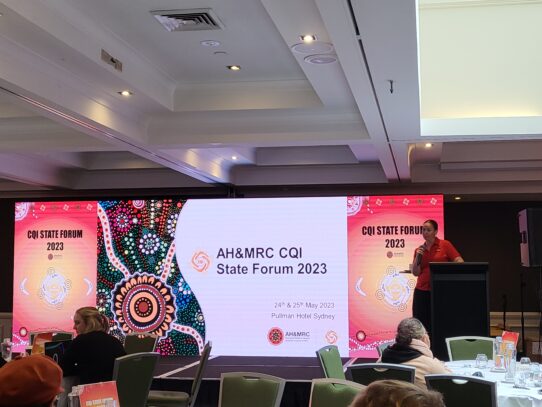
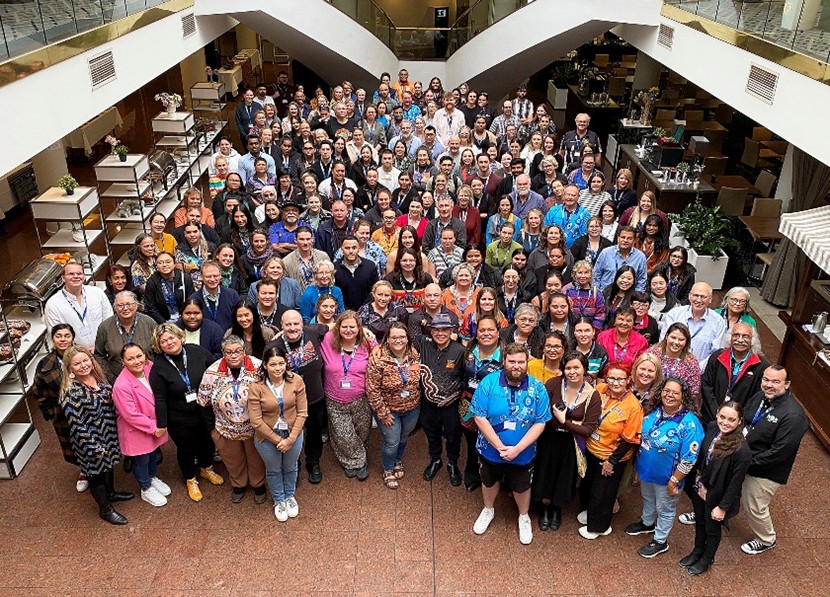
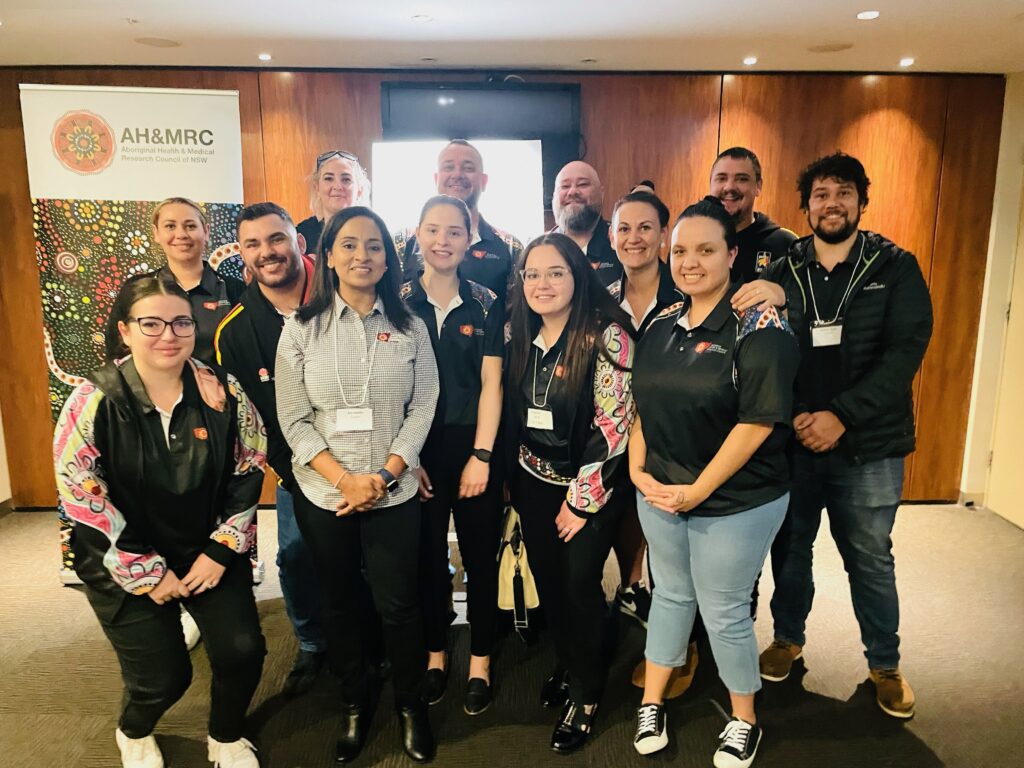
AH&MRC hosted the annual Continuous Quality Improvement (CQI) State Forum on the 24th & 25th of May 2023.

This gathering provided an exciting opportunity for ACCHS staff to learn and discuss how ACCHSs can incorporate CQI processes and procedures into their normal practice and service delivery. This year’s theme was ‘Enhancing Operations’.

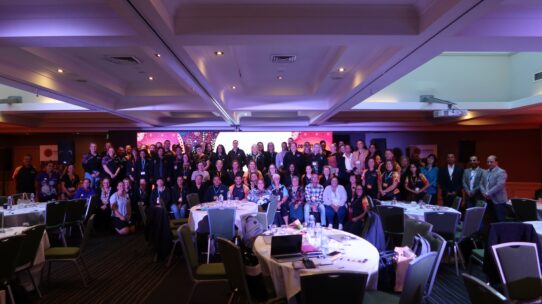
30 Member Services from all over the state attended, our highest attendance in 3 years!

We would like to extend our heartfelt congratulations to all the AH&MRC staff for organising and executing this remarkable event. A special appreciation goes to all the individuals who contributed their time and effort to make the day a success.

Thanks also to our sponsors ICTx, Medilogic, The Benchmarque Group, Lowitja Institute, ACI and HappyWay promotions
____________________________________________________________________________________

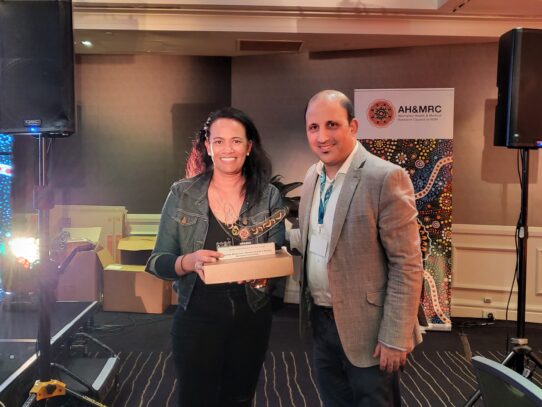
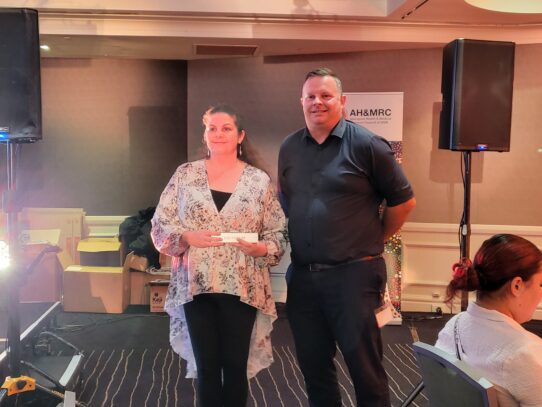
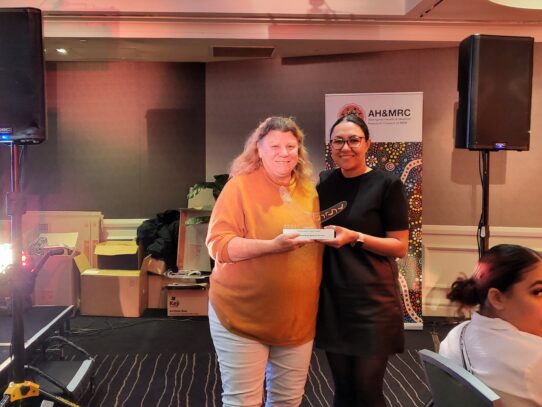
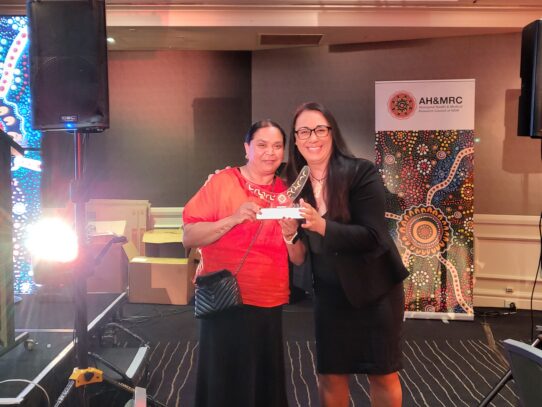
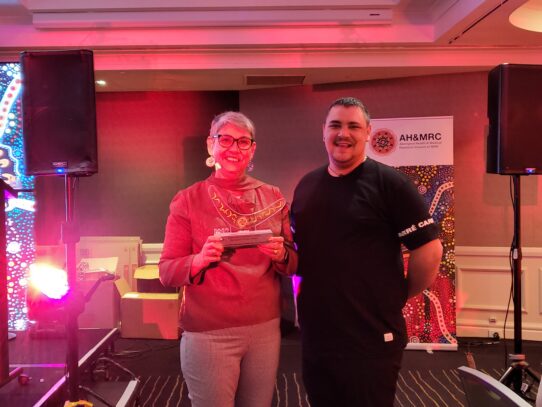
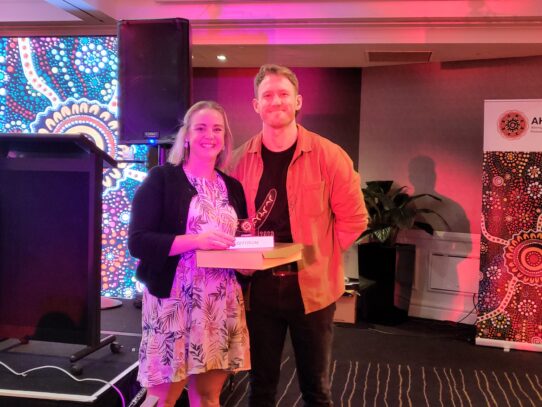
Congratulations to all AH&MRC CQI State Forum 2023 recipients of awards and awardees –

Emerging Talent Award – Joseph Gordon from the Brewarrina Aboriginal Medical Service
Digital Innovation Award – Katungul Aboriginal Corporation Community & Medical Services
Staff Member of the Year Award – Jade Hansen from the Illawarra Aboriginal Medical Service
Quality Organisation of the Year Award – Waminda – South Coast Women’s Health & Welfare Aboriginal Corp.
Quality Team of the Year Award – Bullinah Aboriginal Health Service
Sustainability Impact Award  – Walgett Aboriginal Medical Service
Outstanding Contribution to Quality Management Practice Award in the following areas –
Admin: Riverina Medical and Dental Aboriginal Corporation
Data: Galambila Aboriginal Health Service
Clinics: Albury Wodonga Aboriginal Health Service
Programs: Yoorana Gunya Family Healing Centre Aboriginal Corporation

Ear & Eye Health Site Visits

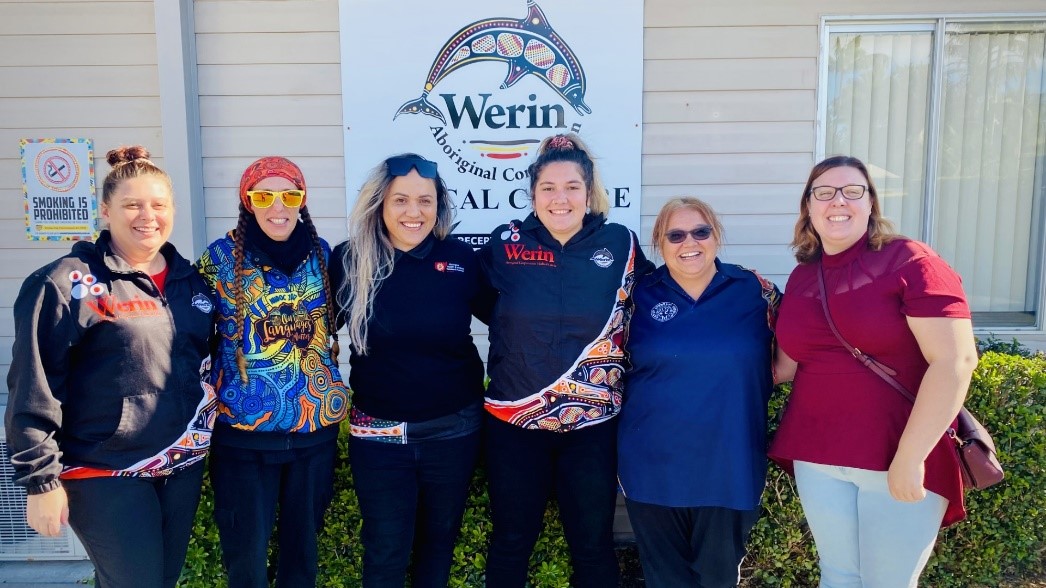
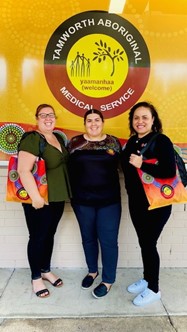
Recently, Mafi Kailahi, the Ear & Eye Health Programs Officer from AH&MRC, and Rebecca Stone, the Outreach Project Officer from Rural Doctors Network (RDN), conducted site visits to various locations. These included Tamworth Aboriginal Medical Service (TAMS), Werin Aboriginal Corporation Medical Centre, and Durri Aboriginal Corporation Medical Service. During the visits, they met with the Practice Managers and clinical teams to discuss Ear Health Initiatives.

The discussions covered a range of topics, including internal mapping of Ear Health services and programs, identifying gaps and barriers in the community’s access to quality ear health care, and exploring the services provided through RDN’s outreach services. They also discussed upcoming training opportunities, such as an Ear Irrigation workshop with the Benchmarque group on July 24th. Expressions of Interest (EOI) details for the workshop will be shared soon, and efforts were made to provide more localized training opportunities for clinical staff, Aboriginal Health Practitioners (AHPs), and Aboriginal Health Workers (AHWs).

The discussions also touched upon community events, such as TAMS Cultural Day, where support was provided for conducting ear health screening checks and sharing relevant resources. Additionally, there was a focus on providing Ear Health equipment to members who have received ear health training. The Practice Managers and clinical staff expressed their commitment to prioritizing Ear Health within the community and their interest in upskilling the workforce, potentially through opportunities like the Cert IV in Audiometry offered by TAFE NSW.

The visit to Tamworth Aboriginal Medical Service (TAMS) took place on Monday, March 29th, while the visits to Werin Aboriginal Corporation Medical Centre and Durri Aboriginal Corporation Medical Service occurred on Thursday, June 8th, 2023.

2023 National Aboriginal and Torres Strait Islander Eye Health

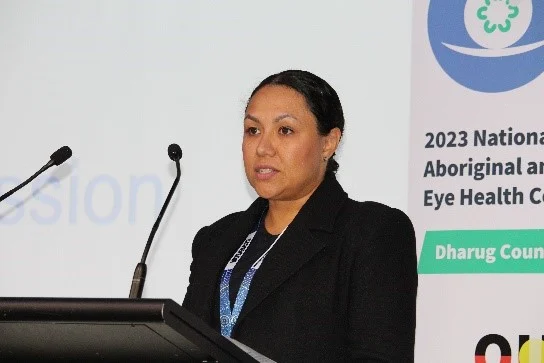
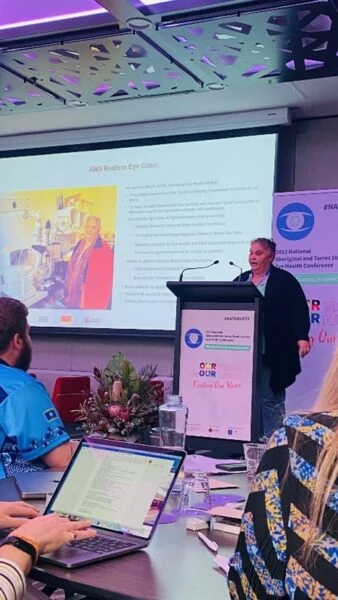
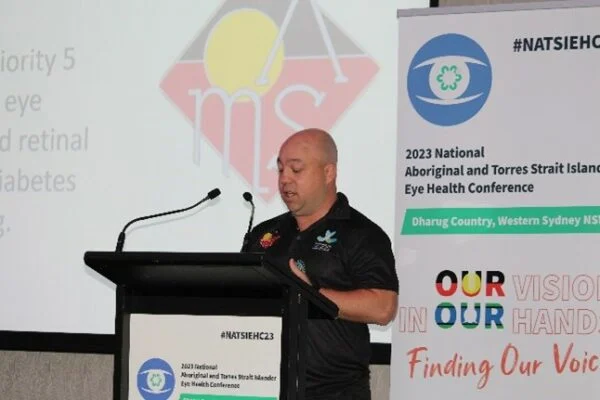
The 2023 National Aboriginal and Torres Strait Islander Eye Health Conference (NATSIEHC23) was held on Dharug Country in Western Sydney from 24th – 26th May.

The conference theme ‘Our Vision in Our Hands: Finding Our Voice’ sought to highlight emerging and future First Nations leaders of the sector, while also resonating the strength and values of the longstanding movement for Aboriginal and Torres Strait Islander self-determination in health, and the broader current national movement to enshrine First Nations Voice to parliament.

NATSIEHC23 was the seventh annual, national conference and aimed to build on the collective work of the Aboriginal and Torres Strait Islander health sector to improve eye health access and outcomes for First Nations Australians. The conference was led by the National Expert Group in Aboriginal and Torres Strait Islander Eye Health (NEGATSIEH) and co-hosted by AH&MRC (Aboriginal Health and Medical Research Council, NSW).

Over 240 delegates attended the conference from all states and territories – this included over 100 First Nations delegates. Three days and over 50 presentations provided opportunity for connection and a rich sharing of wisdom and learnings. Delegates included representatives from Aboriginal Community Controlled Health Organisations and other primary care service providers, eye care clinicians, policy makers, researchers, non-government organisations, hospitals, professional peak bodies and government departments from across the country.

A brief overview article about NATSIEHC23

https://mspgh.unimelb.edu.au/centres-institutes/centre-for-health-equity/research-group/ieh/news-and-events/news-events/natsiehc23-conference-summary/_nocache

Keynote speakers:

  • Lauren Hutchinson – 2023 Jilpia Nappaljari Jones Memorial Oration
  • Donna Murray – Chief Executive Officer of Indigenous Allied Health Australia (AIHA)
  • Renata Watene – Renata Watene is one only of a few Māori Optometrists in Aotearoa as an immerging Indigenous Eye Health Leader
  • Karl Briscoe – CEO of the National Association of Aboriginal and Torres Strait Islander Health Workers and Practitioners (NAATSIHWP)

Opening Session – Day 2 (Full Program NASTIEHC23-PROGRAM_2023.05.23_FINAL.pdf (unimelb.edu.au)

Conference Co-Convenor – David Roberts, Aboriginal Health and Medical Research Council of NSW (AH&MRC) – on behalf of (Melissa Sutton

Conference Greetings – Kane Ellis, Illawarra Aboriginal Medical Service

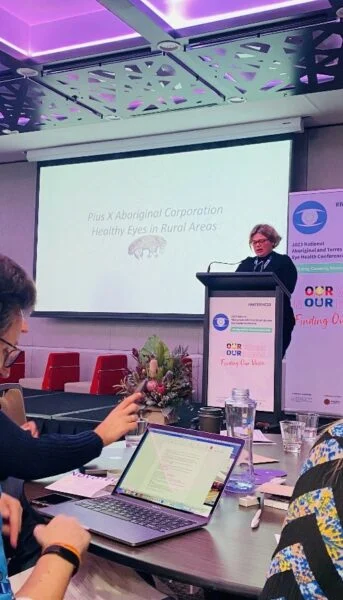
PP2.3 Healthy Eyes in Rural Areas Author: Ann-Marie Thomas Abstract: Toomelah is a small Aboriginal Community on the QLD and NSW border , a population of 250 people, 100 percent Aboriginal population. Brien Holden Vision have been working in partnership for many years with Pius X Aboriginal Health Service providing a much needed service to the community. The community has no public transport, no shop and is 30kms form the nearest town, having this service come to the people is imperative. Brien Holden have also trained the Aboriginal Nurse and since her training she is doing screening in schools and have referred children to the optometrist clinic and we now have quite a few children wearing glasses and can now see the boards at school. We are dedicated to closing the gap in numeracy and literacy by ensuring the children have good vision. This screening process also seen a young 15 year old boy at risk of glaucoma. We are dedicated and proud of the partnership to improve vision in rural and remote communities.

PIUS X Aboriginal Corporation
Redfern AMS


Orange AMS (OAMS)

The awards are aligned with the Conference theme – Our Vision in Our Hands: Finding our Voice – set by the National Experts Group for Aboriginal and Torres Strait Islander Eye Health NEGATSIEH), which contributes to the Conference Leadership Group.

This broad theme works to highlight and promote the importance of Aboriginal and Torres Strait Islander perspectives and leadership in the eye health sector locally and nationally. The theme also promotes the need for greater First Nations leadership through community-controlled services and evolving national governance mechanisms, including the call to enshrine an Indigenous voice into the Australian constitution.

We are pleased to open nominations for the 2023 awards, in the following categories:

  • Contribution to Aboriginal and Torres Strait Islander eye health by Aboriginal Community-Controlled Health Organisations (ACCHO)
  • Contribution to Aboriginal and Torres Strait Islander eye health (Individual)
  • Aboriginal and Torres Strait Islander leadership in eye health
  • Allyship in contribution to Aboriginal and Torres Strait Islander eye health

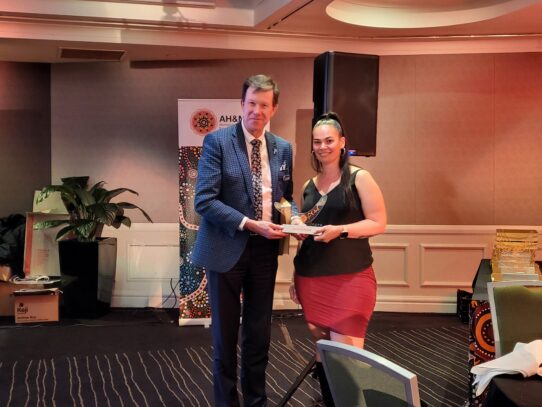
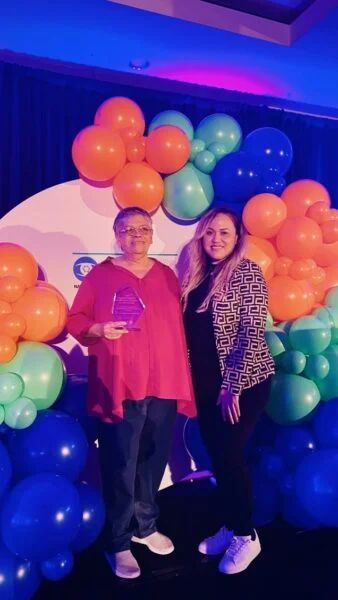
“A very special mention goes to Jenny and team at Walgett AMS for being awarded for their contribution to Aboriginal & Torres Strait Islander eye health “

Jenny Hunt, who accepted the award for Walgett Aboriginal Medical Service (WAMS)

The winner of the NATSIEHC 2023 award for Exceptional contribution to Aboriginal and Torres Strait Islander eye health by Aboriginal Community-Controlled Health Organisations (ACCHO) is: Walgett Aboriginal Medical Service

  • From the nomination statement: The Walgett Aboriginal Medical Service (WAMS) was one of the first eye health locations within an Aboriginal Community Controlled Health Service in NSW to provide bulk billed optometry services to their community members, starting in 1999 through NSW Aboriginal Vision program, co-designed with the Aboriginal Health and Medical Research Council of NSW (AH&MRC) and the Brien Holden Foundation (then known as ICEE). The fruit of those early seeds of collaboration continue to flourish today.
  • The nomination highlighted the dedication and commitment of WAMS management to eye health, as they have continued to fund a dedicated Eye Health Coordinator position since the very beginning of this program until today.
  • The WAMS Eye Health Coordinator supports clinics in Walgett and outreach services at Lightning Ridge, Goodooga, Collarenebri, Narrabri, Wee Waa and Pilliga.
  • Up until 2015 the WAMS Eye Health Coordinator serviced both the Walgett and Hunter New England regions, supporting over 30 outreach clinics. WAMS worked with the support of optometry provider the Brien Holden Foundation to hand some of the Western NSW and Hunter New England clinics over to the established Aboriginal Community Controlled Health Services in those communities.
  • WAMS embraced eye health so much that they applied for infrastructure grants to establish a well-equipped dedicated eye health room.  Local outreach patients are referred into WAMS when OCT imaging in required which eliminates travel for patients so eye health conditions can be managed locally.

An article about the NATSIEHC23 award winners

https://mspgh.unimelb.edu.au/centres-institutes/onemda/research-group/ieh/news-and-events/news-events/2023-NATSIEHC-awards

AH&MRC Deliver Aboriginal Mental Health First Aid (AMHFA) Training to Durri Aboriginal Corporation Medical Service, Kempsey

AH&MRC Deliver Aboriginal Mental Health First Aid (AMHFA) Training to Durri Aboriginal Corporation Medical Service, Kempsey

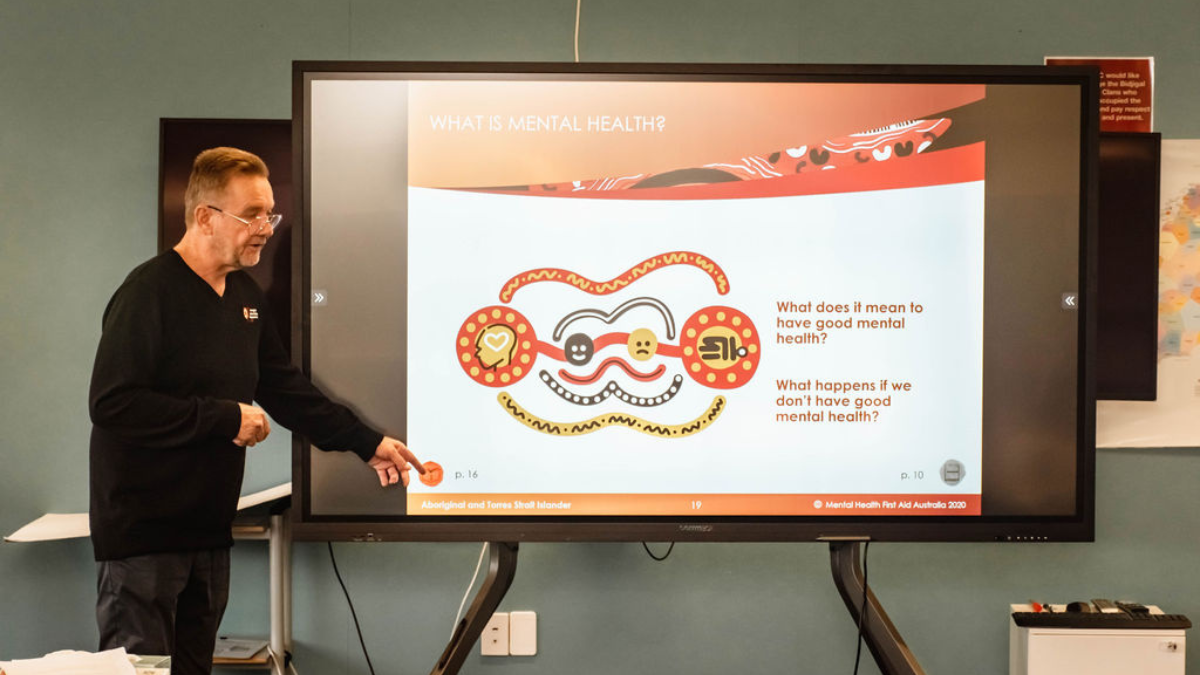
Colin McGrath and Sylvia Akusah delivered AMHFA training to Durri ACMSs’ health workers in a marathon effort over four days.

Two AMHFA training courses were delivered over the course of four consecutive days and to 36 of Durri’s workforce.

The AH&MRC provide the AMHFA training to it’s Member Services free of charge and is part of a larger suicide prevention strategy.

The AMHFA training is designed to empower our ACCHO’s health workers with the tools to assist community members, family and friends who experience mental health crises.  Accredited Aboriginal Mental Health First Aid officers are able to support their community members who are in a mental health crisis, provide them with support and information and encouragement to reach out and get professional help and other supports that will keep them safe until professional support has been arranged.

Kempsey’s Aboriginal community has been rocked by tragedies in recent times and seen much mourning and Sorry Business. Many of the health workers in attendance at the training were still grieving the loss of community members and loved ones.

Colin, himself, has struggled with AOD and Mental Health issues for most of his life, and faced and overcame many challenges that arose from these conditions.

He uses the insights gained from his own life in the delivery of the Aboriginal Mental Health First Aid training. In 2019, his partner’s mother took her own life and he knows the pain and suffering caused and the states of being that make up the journey through loss back to a new normal.

“This is why mental health first aid, provided in a culturally appropriate setting is so important”.  Colin said, and then went on to say, “Having people from Aboriginal communities who have the knowledge and skills to provide mental health first aid is essential to safeguard mob, and will benefit the whole community and make them more resilient when there are people from your own community to listen and provide professional support options, and importantly, hope.

 A key message to the Durri participants of the training was that grief and mourning is normal, that it is part of the healing process and, to not blame yourselves for a loved one taking their own life, “that their decision to take their own life happened at a moment in time of dark despair when you are not there to talk to them”.  And,

“That it is not your fault that you were not there at that moment in time.”

The AMHFA training was well received by Durri’s workforce, which included, Transport Drivers, Reception staff, GPs, AHWs/AHPs, Admin workers, dentists, and nurses.

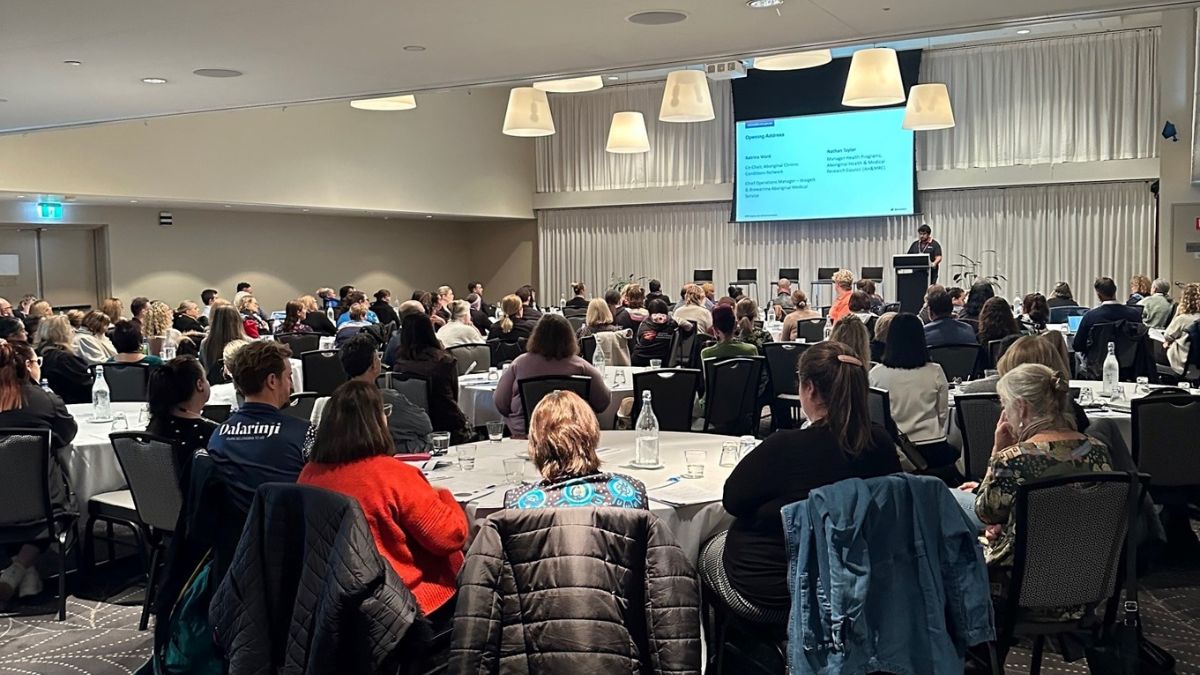
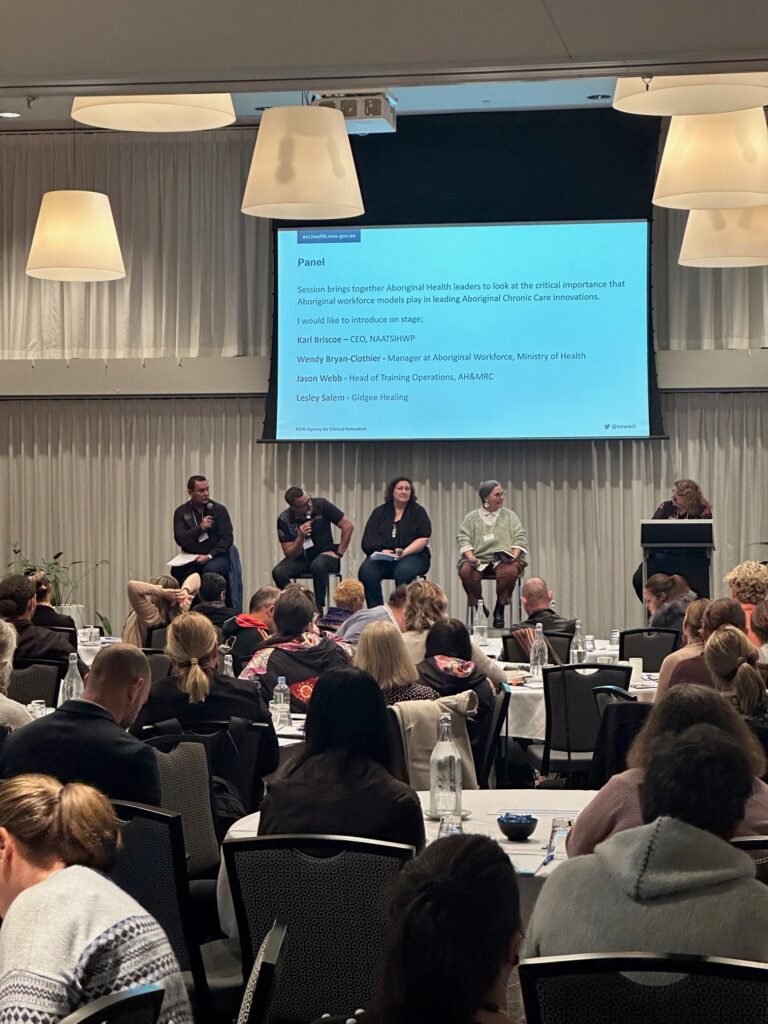
The Aboriginal Chronic Conditions Conference 2023 event was a great success!

AH&MRC proudly partnered with ACIs Aboriginal Chronic Conditions Network (ACCN) to put on this year’s Aboriginal Chronic Conditions Conference. The theme was Aboriginal Workforce and Chronic Care Models and aimed to support the Aboriginal Health Workforce across the Aboriginal Community Controlled Health Sectors and Local Health Districts, by providing information and increasing the workforce’s knowledge, providing networking opportunities for the healthcare staff.

The conference not only engaged AH&MRC member services, and LHD staff, but was also open to anyone passionate about improving Aboriginal Health. Presentations included workforce, and service delivery models to address Chronic Conditions, barriers to accessing healthcare, developing cultural sensitivity among both Indigenous and non-indigenous staff, and working in partnerships to break down those barriers.

140+ people in person attended for day one and at least 120+ people for day 2, plus over 200 people online—a fantastic turnout.

Member services – Dubbo, Waminda, Bullinah, Coomealla, Griffith, Walhallow, Yerin, Walgett, Illawarra, Bourke, and Awabakal – attended and participated at the conference.

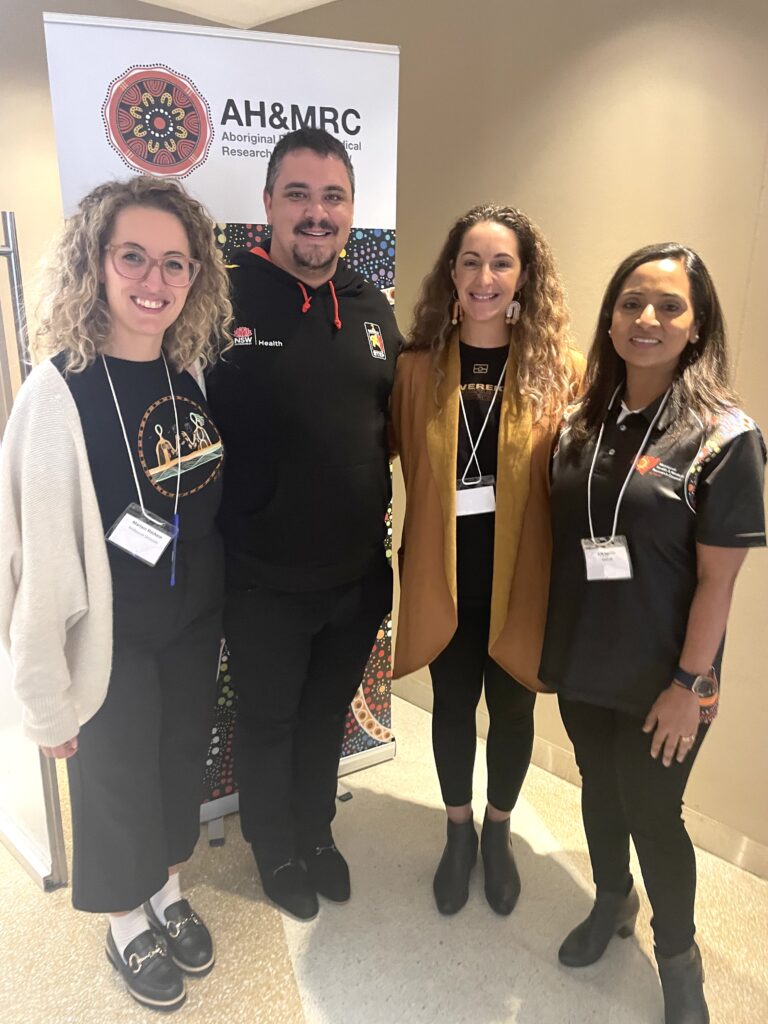
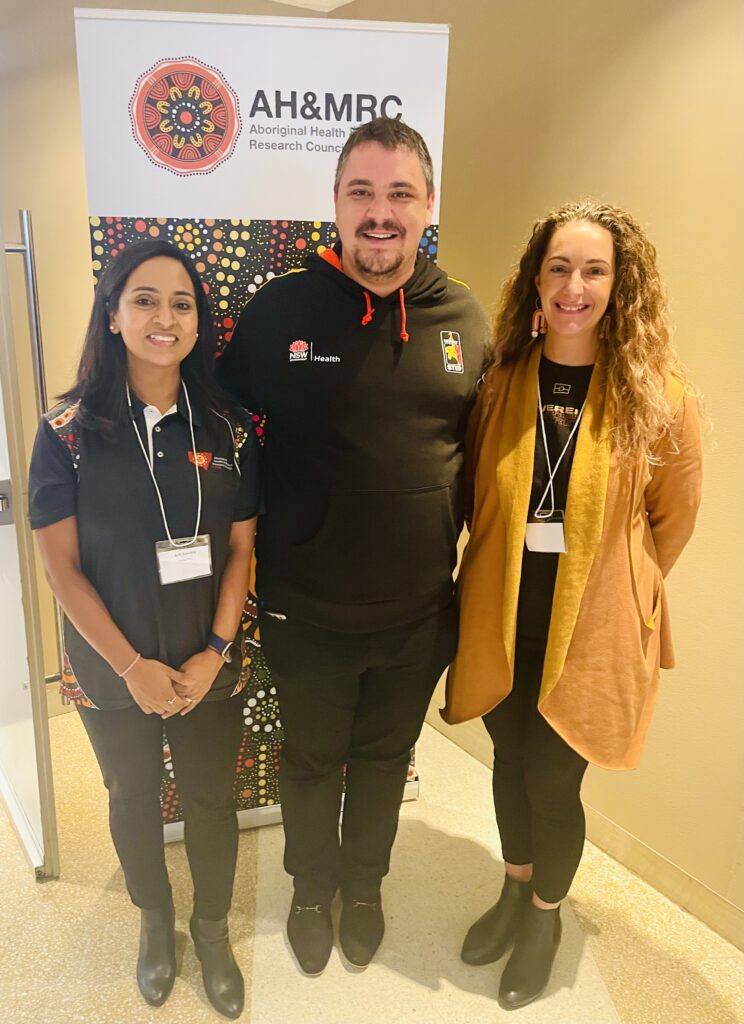
Working closely with the Aboriginal Chronic Conditions Network (ACCN) to support our Aboriginal workforce across the sectors and showcase Aboriginal-led innovations in chronic care was an honour. This was the third conference that AH&MRC and ACCN have partnered or co-hosted. “

AH&MRC Ethics aims to educate and engage health professionals with its first public forum.

The Aboriginal Health and Medical Research Council of NSW Human Research Ethics Committee (AH&MRC HREC) is marking its 26th year by organising its inaugural forum, scheduled for June 27th, 2023. This forum aims to cater to academics, affiliated health professionals, and groups, providing them with educational opportunities regarding the significance of Aboriginal ethics, requirements for approvals and processes and the governance structures. It represents the beginning of AH&MRC HREC’s expansion and growth plans for the coming years.

Kelly Jones, the AH&MRC Research Ethics Coordinator, emphasises “This forum is to educate all attendees on the HREC’s processes and governance structures when submitting an ethics application. The committee reviews over 100 applications annually in which they need to ensure that all submissions are culturally and ethically appropriate.”

In 2022, AH&MRC HREC was honoured with the Indigenous Governance Award by Reconciliation Australia. This accolade recognises and celebrates exceptional examples of governance in Indigenous-led non-incorporated initiatives, projects, or businesses. AH&MRC HREC aims to rectify the historical devastation caused by this industry. Reconciliation Australia commended the committee for its commendable efforts in engaging others and promoting positive change.

Acting CEO Joanne Grant highlights the integral role played by the Human Research Ethics Committee in the organisation. She emphasizes the importance of respectfully appreciating the diverse Cultural Protocols while engaging distinct Aboriginal communities across Australia. Grant believes that such engagement can contribute to strengthening our national identity and character as a nation.

If you would like to attend the forum, please purchase the tickets here: https://www.eventbrite.com.au/e/ahmrc-ethics-forum-tickets-617455133927

Official Media Release

AH&MRC Influenza and COVID-19 Vaccination Update 2023

COVID-19 and Influenza Webinar

  • Last week, Dr. Kerry Chant, along with Dr. Kath Keenan, and Lachlan Madden from AH&MRC provided an update of influenza, COVID-19 and strategies on how to engage with Aboriginal and Torres Strait Islander people on the topic of vaccination.
  • To watch this webinar back, please see the link: AH&MRC Influenza and COVID-19 Vaccination Webinar

Slides to go with the Webinar: https://www.ahmrc.org.au/wp-content/uploads/2023/05/AHMRC-Influenza-and-COVID-Vaccination-Webinar-Master-002.pdf

Influenza Vaccine Poster

  • The AH&MRC has designed a quick visual reference guide for practitioners providing influenza vaccines in ACCHOs.
  • We will be sending copies of this guide to member services in the coming weeks.

Influenza Toolkit

  • The AH&MRC has updated the Seasonal Influenza Toolkit which provides guidance on how to manage influenza in an ACCHO environment.
  • This toolkit will provide information on the signs of symptoms of influenza, who is most at risk from influenza, how influenza is spread and treatments for influenza as well as other information, including the appropriate use of PPE.

Toolkit Link: https://www.ahmrc.org.au/wp-content/uploads/2023/10/AHM_2023-Seasonal-Influenza-Preparedness-Toolkit_04.pdf 

If you have any questions, please don’t hesitate to reach out to us at publichealth@ahmrc.org.au

AH&MRC welcomes new State Government.

The Aboriginal Health and Medical Research Council of NSW (AH&MRC) would like to congratulate the Minns Government on the recent state election. We look forward to working with the NSW premier who has shown an interest in Aboriginal Affairs, specifically health.

‘’The AH&MRC have worked extensively to ensure that our relationships with elected parties does not compromise the work that already exists and that is coming to fruition. We look forward to continuing to maintain this relationship and working alongside the Minns government in ensuring health equity outcomes for Aboriginal and Torres Strait Islander people remains a priority’’ – Robert Skeen, AH&MRC CEO

AH&MRC Priorities

The AH&MRC would like to put forth the following priorities to be considered for the incoming government:

 Priority: Workforce Shortages in the ACCHO Sector

The Aboriginal Community Controlled Healthcare sector is facing significant workforce shortages, particularly with GPs. The ACCHO sector needs a sustainable workforce to not only meet routine clinical needs for clients but needs to have the capacity to surge as required.

We would like to see commitments to:

  • Increased support for training and upskilling initiatives for the Aboriginal health workforce with a focus on expanding pathways not only to nursing, but also specialist and allied health professions.
  • Supporting shared workforce models between NSW Health and the ACCHO sector, particularly GPs and other specialists.
  • Increased investment into Aboriginal health, with the community-controlled sector at the centre of service delivery as committed to under the NSW Partnership on Closing the Gap.
  • Commitment to support ACCHSs with competitive salaries of key workforce, such as GPs and dentists etc.
  • Acknowledgement of the scope of practice that Aboriginal Health Practitioners have within the health sectored
  • Review of the Aboriginal and Torres Strait Islander health worker and practitioner award2020

 Priority: Equitable funding for community-controlled health services

Funding for the ACCHO sector comes from a combination of sources. At present, funding for ACCHOs is fragmented, unstable and inadequate. ACCHOs are the preferred primary care provider for Aboriginal people and while the demand for their services continues to grow, funding has not kept up.

We would like to see commitments to: 

  • Flexible, needs-based, and long-term funding models, based on the principles of self-determination.
  • Greater efforts towards co-design processes that allow communities to determine their priorities and what success looks like.
  • Further commitment into Medicare reform in collaboration with services that it ultimately benefits and impacts.

Priority: Investing in Aboriginal Health, Infrastructure

Aboriginal people do not have adequate access to culturally safe health services, particularly in rural and remote areas. ACCHOS are therefore limited in the services that they can provide due to lack of resourcing and infrastructure.

We would like to see commitments to: 

  • Increased investment into Aboriginal health infrastructure, with a focus on supporting ACCHOs to enhance and expand their services.
  • Additional support for Aboriginal health services still working to rebuild from recent natural disasters, particularly in Northern NSW.

Priority: Supporting Aboriginal governance across the health system. 

There is significant under-representation of Aboriginal people in decision-making roles across the health system and government more broadly.

We would like to see commitments to: 

  • Support for Aboriginal people to participate in governance structures across the health system.
  • Where there are Aboriginal funds directed into services, ensure governance structures are represented with Aboriginal people.
  • Greater representation of Aboriginal people in senior decision-making roles across the system.

Priority: Investing in holistic, multi-disciplinary models of care

We know that many Aboriginal people are not receiving care until it’s too late. This is primarily due to the barriers that prevent access to timely, community-based, holistic, and culturally safe health services. We also know that Aboriginal people are best placed to provide care, with models of care that focus on multi-disciplinary, culturally informed interventions.

We would like to see commitments to:

  • Greater investment into community-based, early intervention and prevention services for Aboriginal and Torres Strait Islander people. This should include investment in community-controlled models of care.

Priority: A strengthened commitment to Closing the Gap. 

The New South Wales government has made a commitment to support the implementation of the National Agreement on Closing the Gap, working in partnership with the NSW Coalition of Aboriginal Peak Organizations (NSW CAPO) and other Aboriginal stakeholders. As a member of this,

We would like to see commitment to: 

  • A renewed commitment to the NSW Partnership Agreement on Closing the Gap.
  • Continued investment for Closing the Gap, with a focus on sustained, direct investment into the community-controlled sector and ongoing funding for initiatives developed under the 2022-23 Budget.

Contact

MEDIA RELEASE AHMRC Priorities_ 13042023

EOI – Clinical Reference Group – Direct Access Colonoscopy (DAC) Model of Care

The Cancer Institute NSW seeking expressions of interest to participate in a Clinical Reference Group to review the existing Direct Access Colonoscopy (DAC) Model of Care.  The DAC Model of Care was developed in 2019 to guide the implementation of localised DAC services across NSW and outlining the mandatory and recommended inclusions. Due to your clinical experience within primary care, we wish to invite you to express interest in the Model of Care Clinical Reference Group.

We are reconvening the Clinical Reference Group to provide clinical oversight for the revision of the model of care, review and incorporate feedback received on the original document, and revise content to ensure key principles of the model can be applied to varying contexts.  There will be an opportunity for members to put forward alternative models for consideration. The group will consider whether these planned or implemented non-standard models of direct access may meet the aims of the DAC project and may be appropriate to particular contexts.

Dr Nicholas Burgess, Gastroenterologist from Western Sydney Local Health District has kindly agreed to Chair the DAC Clinical Reference Group. It is anticipated that the clinical reference group will meet approximately three times until the end of the 2022/23 financial year. You will be reimbursed for your time based on the CINSW Payment of Honorariums.
 The first DAC Clinical Reference Group meeting was held on Wednesday 15 February. Based on meeting 1, the group will seek submissions for alternative DAC models from local areas that are not perfectly aligned to the standard DAC MOC yet may achieve some or all of the objectives of the DAC initiative. The meeting minutes will be circulated shortly once they have been reviewed by the chair.

The group will review submissions prior to meeting 2 which is likely to be held in early May 2023.  Participation in the Clinical Reference Group will include preparation reviewing these submissions prior to meeting 1.

I have attached the DAC Clinical Reference Group documents from Meeting 1:

  1. Model of Care Clinical Reference Group- Key Questions for Consideration
  2. Final Terms of Reference for LBVC DAC MOC Clinical Reference Group
  3. DAC Model of Care
  4. Meeting outline
  5. State-wide Referral Criteria
  6. DAC CRG Meeting Agenda

If you would like to discuss this before making your decision, please feel free to contact Tara.Bowman@health.nsw.gov.au  or Alexandra Crocker (Project Implementation officer) at CINSW-DAC@health.nsw.gov.au.

The AH&MRC Congratulates the Incoming Labor Government

The AH&MRC congratulates the Premier and Labor government on their election victory.

During its campaign, the ALP made several commitments to a fresh plan for healthcare, including:

  • Labor’s Fresh Start Plan will boost access for mental health services for young people by investing $17 million to the Kids Helpline over four years to increase their capacity to respond to a rising number of calls.
  • Labor will deliver long-term structural reform to the healthcare system by introducing minimum and enforceable Safe Staffing Levels to public hospitals, starting with emergency departments and then progressing out into other areas.
  • Labor will hire an additional 1,200 nurses.
  • Labor will hire 500 new paramedics in rural and regional areas. The new paramedics will be spread across areas in the State with the most need which will be determined following consultations with healthcare professionals.
  • Labor will boost workforce incentives for rural and regional GPs to support the engagement of nurses, allied health and other health professionals and provide multi-disciplinary team-based care.

The ALP also committed to pursuing a formal treaty process with First Nations People, including:

  • Committing $5 million to a 12-month consultation process with First Nations communities on a treaty process for New South Wales, ensuring a commitment to the principle of Treaty.
  • Labor announced that this process will begin after the referendum on The Voice in the second half of 2023.

The AH&MRC welcomes these commitments and the many others made by the ALP which will be critical in closing the gap in Aboriginal health outcomes.

ACCHOs across the country have continued to deliver high-quality integrated primary health care to Aboriginal communities, despite the ongoing challenges they are facing. It will therefore be crucial that the incoming government account for the Aboriginal Health workforce, Aboriginal Community-Controlled Health services and communities in their rollout.


The AH&MRC is committed to working with the new government to develop and deliver policies and programs for our people and we look forward to working in genuine partnership to improve health outcomes for Aboriginal communities.

MEDIA RELEASE_AH&MRC Congratulates the Incoming Labor Government