






Our People to Live Stronger & Longer

Prepare for Summer: Stay Safe and Healthy

AH&MRC participated in the recent NSW Health Emergency Management Forum and the NSW Health State Preparedness and Response unit update – it is clear from these discussions that communities across NSW need to prepare for a hot and wet summer. The Bureau of Meteorology (BoM) has forecasted increased risks of heatwaves, bushfires, and flooding. We know that ACCHO’s play a key role in supporting community safety and sharing timely information.

Keep up to date on weather forecast and weather warnings here. 

Heat Safety 

Babies, young children, pregnant women, older adults, people with chronic conditions, and outdoor workers—are especially vulnerable to extreme heat. 

  • Stay cool: Use fans, wet skin with cool water, apply cool packs or damp towels on the neck and shoulders. 
  • Hydrate: Drink plenty of water. 
  • Plan ahead: Prepare for power outages and ensure safe storage of food and medications. 
  • For infants: Avoid covering prams with dry fabrics; use a moist covering instead. 
  • Energy tip: Combine fans with air conditioning set at 27°C—this feels 4°C cooler and can cut electricity use by up to 76%. 

Useful tips to Beat the Heat are available on the NSW Health website and more tips  on staying cool are available here.  

Bushfire and Smoke Preparedness 

Other Resources 

Useful links: Emergency Response Resources – AH&MRC.
Use the practical tool on page 42 of AH&MRC Emergency Activation Framework & Appendix to support planning for extreme heat.
Email publichealth@ahmrc.org.au for further advice on accessing resources.

17 November: World Cervical Cancer Elimination Day

On 17 November 2020, 194 countries committed to eliminate a cancer for the first time with the launch of the World Health Organization’s Global Strategy to eliminate cervical cancer. The strategy sets ambitious targets for 2030: 

  • 90% of girls vaccinated against HPV by age 15 
  • 70% of women screened with a high-performance test by age 35 and again at 45 
  • 90% of women with cervical disease receiving treatment 

What is HPV and Why Vaccinate? 

Human papillomavirus (HPV) is a common virus transmitted through intimate contact which can affect the skin, genital area, and throat. While most infections clear naturally, some HPV strains cause cervical and other cancers (including throat and anal cancers). HPV vaccination is key to prevention, however, HPV vaccination rates have declined in Australia in recent years.

The Australian National Strategy for the elimination of cervical cancer in Australia  has set national targets, that aligns with the WHO strategy:  

  • 90% of all adolescents vaccinated against HPV by 15 years of age,  
  • 70% of women aged 25-74 years participating in cervical screening every 5 years,  
  • 95% of those with cervical disease receiving optimal treatment for pre-cancer and cancer,  
  • Less than 4 new cases of cervical cancer for every 100,000 women.  

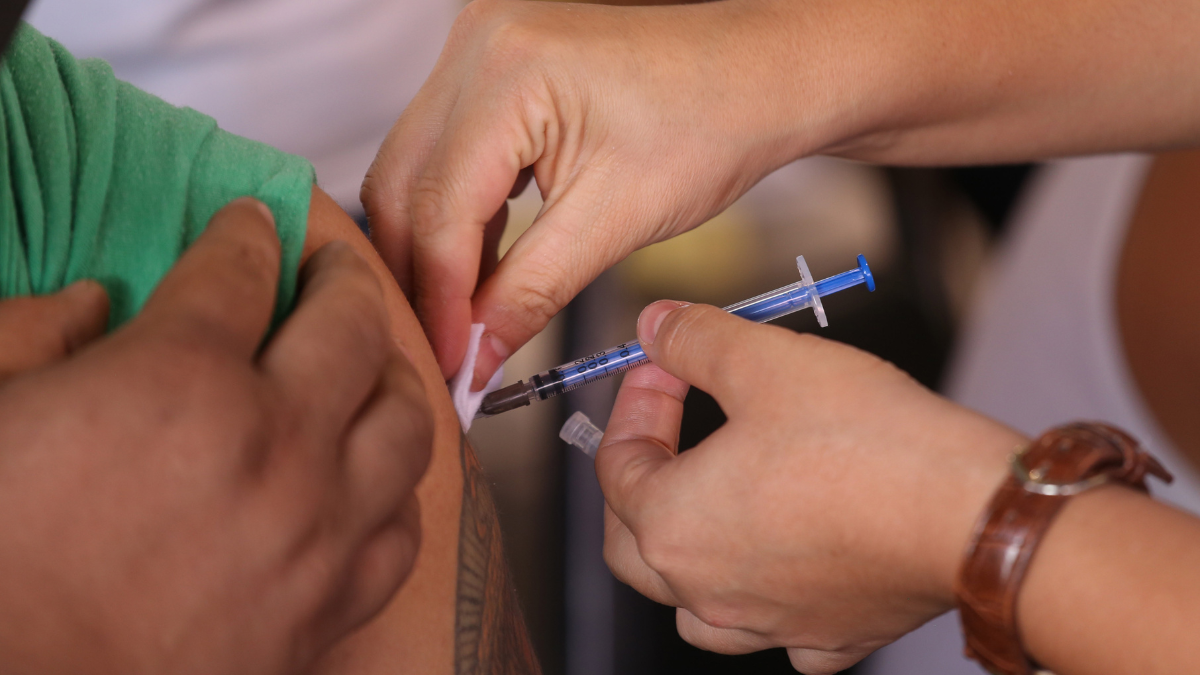
Parents and caregivers are urged to ensure adolescents receive the HPV vaccine, available free under the National Immunisation Program, primarily through a school-based program for young people aged 12-13 years. If young persons, up to the age of 25 missed the vaccine at school, they can still receive the HPV vaccine through their ACCHOs, GPs and some pharmacies. 

While elimination is within reach in Australia, Aboriginal and Torres Strait Islander women continue to be unequally affected by cervical cancer. AH&MRC attended a World Cervical Cancer Elimination Day event hosted by The Cancer Institute NSW, to discuss research findings and strategies for scaling up cervical cancer screening and its potential impact for Aboriginal and Torres Strait Islander women. 

Here’s how ACCHOs and communities can take action: 

  • Check immunisation history at each visit 
  • Community members to book an appointment for vaccinations and cervical screening  
  • Share accurate information with communities, family, and friends 

Immunisation Training Opportunities 2026

The AH&MRC is conducting a survey  to identify the immunisation training needs of our member services. This information is important, as funding for upcoming immunisation training programs will be guided directly by the input received from ACCHOs. 

Funded Training Options: 

  • HESA Accredited Immunisation Course for Health Professionals – 5-day Face-to-Face Program
  • HESA Accredited Immunisation Course for Health Professionals – Hybrid Program
  • HESA Accredited Immunisation Course for Health Professionals – Online Program
  • Vaccine Screening and Promotion Program

We encourage all ACCHOs to complete the Expression of Interest Form using the link below. Further details about each course are outlined in the form to help identify what will best support your staff and your service.  

Expression of Interest – Immunisation Training Opportunities 2026 

Your feedback will guide us, prepare, and advocate for the right level of support as these programs roll out.  

NACCHO will share further information about these training opportunities in the coming weeks, so ACCHOs are encouraged to submit their feedback as soon as possible. 


Act Now: Measles Alert in NSW

NSW Health has issued a measles alert for both community and clinicians following confirmed cases in the state. Public exposure locations are being updated regularly on the NSW health website. This comes amid a national warning from the interim Australian Centre for Disease Control in October, urging Australians to prioritise measles vaccination after outbreaks in four states.

There is an increased local risk for measles in NSW due to several recent public exposures (e.g. Oasis concert) and one locally acquired case in Sydney with no known source.

Consider measles in symptomatic people, regardless of their age, travel history, or measles vaccination status. Measles is a highly contagious viral disease that can cause serious complications. Measles is commonly spread when a person breathes in the measles virus that has been coughed or sneezed into the air by an infectious person. The first symptoms are fever, tiredness, cough, runny nose, sore red eyes and feeling unwell. A few days later a rash appears. Symptoms of measles usually start 10 days after being exposed to the virus but can sometimes take as few as seven or as many as 18 days to appear. The rash usually appears around 14 days after exposure to the measles virus.

Image above: Measles rash (Day 3 from Measles (morbilli)) Credit: https://dermnetnz.org/

Isolate cases of suspected measles and call your Public Health Unit urgently on 1300 066 055

Prioritise up to date immunisation including measles vaccination: 

  • The measles-mumps-rubella (MMR) vaccine is available for free under the National Immunisation Program for children at 12 and 18 months of age.
  • Anyone born during or after 1966 should have two documented doses of a measles-containing vaccine.
  • In NSW, the measles-mumps rubella is also free for anyone born after 1965 who has not already had two doses. This is especially important before overseas travel, as measles outbreaks are occurring in several regions of the world now.
  • Children under 12 months of age can have an extra, early dose of MMR as early as 6 months of age if they are travelling overseas.

Additional resources:  

AHCWA has developed a suite of useful resources to assist ACCHOs with preparing and responding to measles.

NSW health: Fact sheet on measles, information for contacts, NSW health clinician alert,   

Grant Opportunities

The Network of Alcohol and other Drugs Agencies (NADA) is advertising an opportunity for community-managed mental health and alcohol and other drugs (AOD) organisations to explore new ideas and build knowledge through their 2025–2026 Innovation and Evaluation Grant, which aims to support innovative projects that strengthen practice across both the mental health and AOD sectors.

NADA is the peak organisation for non-government alcohol and other drugs services in NSW. Funding period: November 2025–November 2026, Amount: $20,000 (excluding GST), Applications close: 16 October 2025

Apply now: $20,000 innovation and evaluation grant – NADA

The Office of Responsible Gambling has launched the Our Mob, Our Media, Our Message – Gambling Harm Prevention Grants and need your help promoting this opportunity to your networks.

Up to $150,000 per grant is available to support Aboriginal, not-for-profit and community organisations to work with young Aboriginal people to create powerful, culturally relevant social media content that addresses gambling harm. 

The grants are open for application from 8 September 2025 and will close on 20 October 2025.

Applications can be completed on the Office of Responsible Gambling grants and funding page

2025 Aboriginal Health and Wellbeing Conference – Event Recap

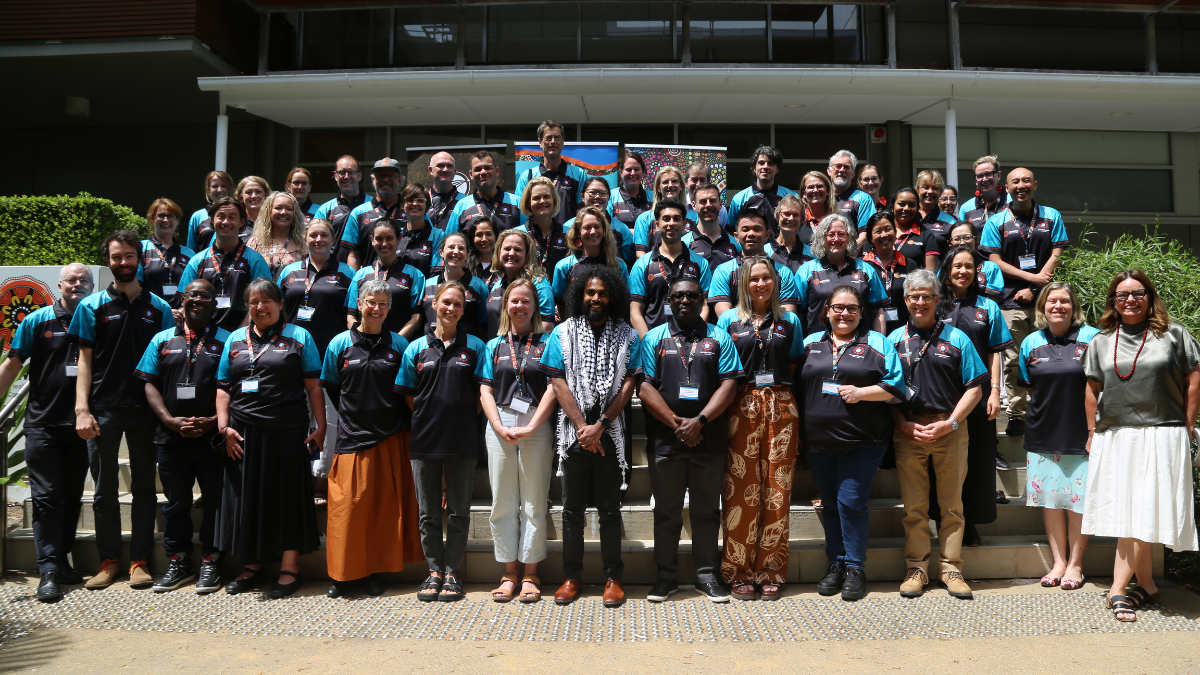
The NSW Agency for Clinical Innovation, in partnership with the Aboriginal Health and Medical Research Council of NSW, and in collaboration with the Centre for Aboriginal Health and the NSW/ACT PHN Aboriginal Health Network, successfully hosted the 8th annual Aboriginal Health and Wellbeing Conference on 10–11 November 2025.

The conference theme, From the Ground Up: Aboriginal Leadership Transforming Health Innovation and Research, explored the critical role of Aboriginal leadership in reshaping health systems and research practices. Discussions highlighted community-driven approaches, the strength of cultural knowledge, and self-determination as key drivers of meaningful and lasting change.

The event celebrated Aboriginal voices leading innovation, challenging conventional models of care, and creating pathways towards more equitable, inclusive, and effective health outcomes for communities across NSW and beyond.

Using AI to Navigate the New Australian FASD Guidelines – Webinar Summary

In October, health professionals attended a one-hour webinar focused on practical ways to navigate the Australian FASD Guidelines 2025 using artificial intelligence tools such as ChatGPT.

The session addressed common challenges associated with the size and complexity of the guidelines and demonstrated how AI can support day-to-day clinical and professional decision-making. Key takeaways included how to:

  • Quickly locate and summarise relevant sections of the FASD Guidelines

  • Simplify complex information into practical, usable resources

  • Develop effective prompts to generate accurate and reliable responses

  • Reframe assessment findings for different audiences, including NDIS providers and schools

The webinar also included live demonstrations, ethical considerations when using AI in health settings, and an interactive Q&A session.

Acute Rheumatic Fever and Rheumatic Heart Disease – Webinar Highlights

A RACGP webinar held in December provided updates on acute rheumatic fever (ARF) and rheumatic heart disease (RHD), featuring Dr Marion Tate FRACGP from Bulgarr Ngaru.

The session reviewed the updated Australian guidelines for the prevention, diagnosis and management of ARF and RHD, as released by the Heart Foundation. Attendees gained valuable insights into best-practice care, early intervention strategies, and culturally safe approaches to supporting Aboriginal and Torres Strait Islander patients.

Scholarships Opportunities

1. Applications for 2026 Lowitja Institute Health and Wellbeing Scholarships are now open to Aboriginal and Torres Strait Islander students and early career researchers across three streams:

These scholarships contribute to Aboriginal and Torres Strait Islander leadership of health by providing opportunities for Aboriginal and Torres Strait Islander people to develop skills in their chosen area of study. Applications close on 15 October.

Apply here.

2. AUSLARC Scholarships are now open! AUSLARC is led by Sexual and Reproductive Australia (SRHA) in partnership with The Royal Australian College of General Practitioners (RACGP).

This initiative received grant funding from the Australian Government. It includes a national evaluation framework to support long-term impact and sustainability. Fully funded long-acting reversible contraception (LARC) training and support for eligible health professionals.

For more information or to register your interest head to AUSLARC Scholarships.

3. Scholarship Opportunity for NSW Nurses & Midwives

Lyn Gardner scholarship applications are open to registered nurses or midwives in NSW who have at least one year’s work experience in Alcohol and Other Drug (AOD) nursing or a related field.

The full course overview can be found here.  

4. NSW Health Fully Funded Masters of Genetic Counselling

This is an amazing opportunity for an Aboriginal and Torres Strait Islander student to study the University of Technology Sydney Master of Genetic Counselling in 2026. Scholarship includes full tuition fees and living stipend, and academic cultural mentorship with UTS Jumbunna Institute for Education and Research. The scholarship is open to an Aboriginal and Torres Strait Islander student who is accepted to study the UTS Master of Genetic Counselling in 2026. Preference will be given to someone with connection to country in NSW.

UTS are hosting Information session – 8 October 2025 4.00–5.00pm AEDT – Master of Genetic Counselling Indigenous Scholarship Info Session

ADHD Prescribing Reforms in NSW – What You Need to Know

Attention Deficit Hyperactive Disorder (ADHD) is a complex diagnosis with impact in Aboriginal communities, as outlined in the 2023 NACCHO submission to the senate about the barriers to assessment and support services for people with ADHD.  

Until now, people seeking assessment and diagnosis for ADHD have been referred by their GP to see a paediatrician or psychiatrist. However, Stage 1 of the NSW ADHD prescribing reforms began on 1 September 2025, with trained GPs able to prescribe ongoing psychostimulant medication for patients aged 6 and over who have a previous ADHD diagnosis and are stable on treatment.

Stage 2 of the reforms, which will allow GPs to diagnose ADHD and initiate medication, is expected to commence in early 2026. Details about training and eligibility for this next phase will be released later this year.

What This Means for ACCHOs and Primary Care Providers  

These changes have the potential to improve equity and expand access to culturally-safe ADHD management through trained GPs (continuation prescriber) in NSW ACCHO’s able to represcrbe ADHD medication for stable patients. 

  • GPs can now apply to become “continuation prescribers”, allowing them to prescribe ongoing ADHD medication for eligible patients. 
  • Training is funded by NSW Health, and priority will be given to GPs working in Aboriginal Community Controlled Health Organisations (ACCHOs).
  • This reform helps free up specialist appointments for new and complex cases, while enabling GPs to provide more holistic, accessible care.

ADHD Treatment Is More Than Just Medication 

While medication can play an important role in managing ADHD, it’s not the only option. Many individuals benefit from a multimodal approach that includes:

For children and adolescents: 

  • Parent training and support programs
  • Classroom-based interventions
  • Behavioural therapy
  • Speech and occupational therapy (especially for co-occurring developmental concerns)
  • Social skills training
  • Support with emotional regulation and executive functioning

For all age groups: 

  • Cognitive behavioural therapy (CBT)
  • Executive function coaching
  • Mindfulness and lifestyle strategies
  • Psychoeducation and peer support groups

These approaches can help improve emotional regulation, time management, and daily functioning—especially when tailored to the individual’s age, environment, and co-existing conditions.  

For more information and resources about ADHD:  

If you have any feedback and suggestions about these ADHD reforms from the sector, please email publichealth@ahmrc.org.au, and we will collate and advocate, if needed. 

Deadly GP’s Workforce Project- Meet the AH&MRC team

AH&MRC is proud to announce the Deadly GP’s Workforce Project. This initiative aims to address some of the challenges in recruitment and retention of General Practitioners (GPs) in Aboriginal Community Controlled Health Organisations . This is a co-design project, and we will soon be reaching out to key people in our Member Services for your input.  

Staff introductions- Meet the AH&MRC team

Project Manager, Luke Romer
Luke is a Gomeroi man with connections to Baradine and the Pilliga Scrub. With a background in Aboriginal Higher Education, Culturally-safe NDIS Services & complex case management. Luke is excited to meet our Member Services to connect and hear how AH&MRC can better support you. Luke will be overseeing the new Deadly GP’s Workforce Project.  

Luke Romer (left) joined Carers NSW at the Joint Colleges Training Services Cultural Training event for GPs to start the first conversations with doctors.

Program Officer Workforce Development, Kay Lane
Kay is a highly experienced Practice Manager and Continuous Quality Improvement (CQI) Leader with over 18 years in the Aboriginal Community Controlled Health Services (ACCHS) sector. She specialises in GP recruitment, registrar and medical student placements mentoring, and support to ensure continuity of care in Aboriginal medical services. Kay excels in the complex environment of ACCHOs, helping develop ACCHO-led strategies to support their operations which will deliver outcomes for both ACCHOs and their communities.  

Cultural Educator, Keira Edwards
Keira is a Gamilaraay, Gia Ngaro and Birri Gubba woman with strong ties to Tingha & Whitsunday Islands. Keira has an extensive background in education, health, disabilities, and trauma informed practices. Keira will be developing the cultural education framework and learning resources for the GP Workforce Project. 

The team will be reaching out to all Member Services in the coming weeks to start the conversation to provide further opportunities for collaboration.

For further information, please email publichealth@ahmrc.org.au.  

 Check out the Deadly GP’s Workforce Project Flyer

Sexual Health Updates

NSW Sexual Health Workshop – Registrations Now Open! 

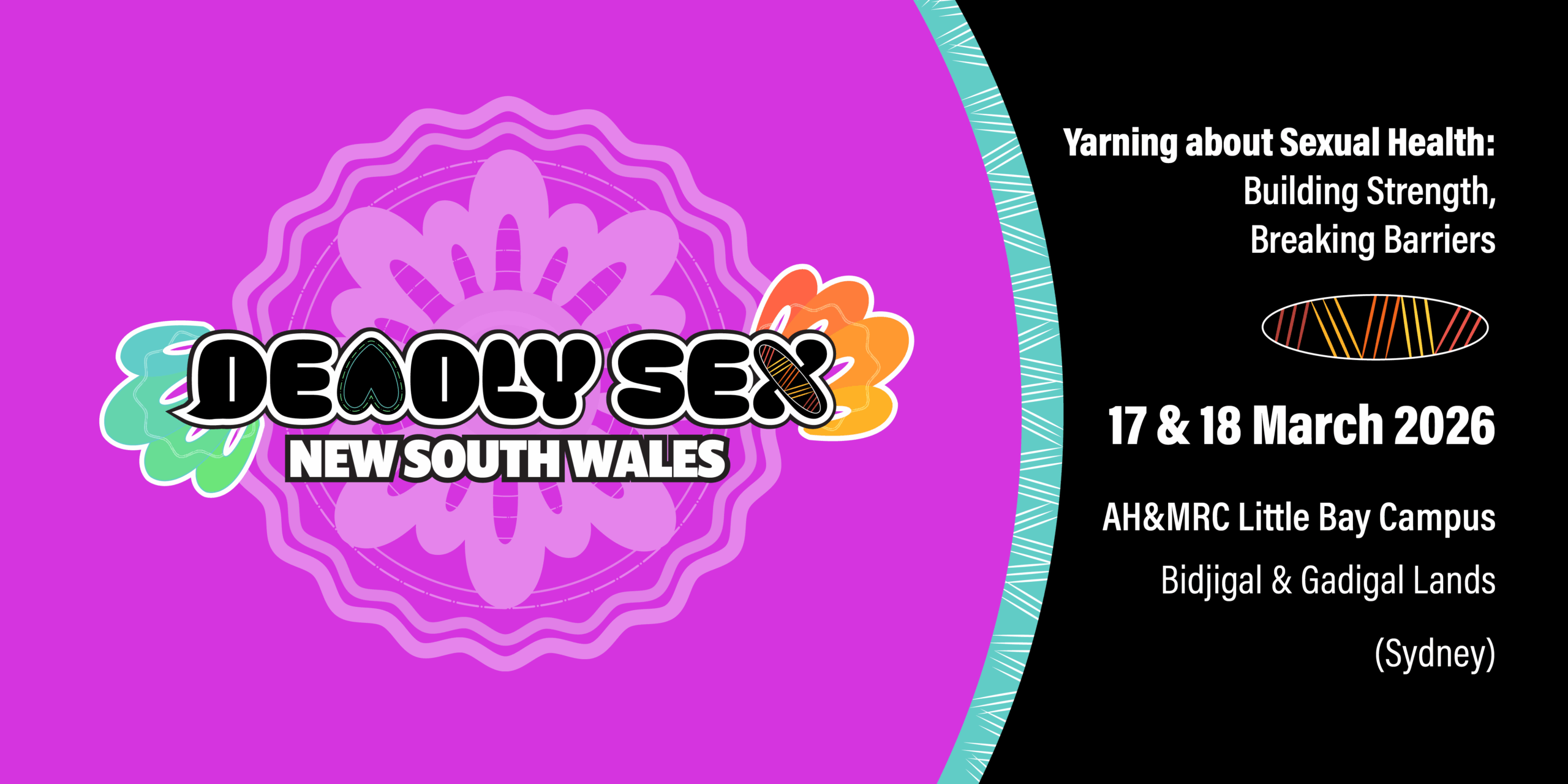
Syphilis was declared by the Chief Health Minister of Australia as a Communicable Disease Incident of National Significance on the 6 August.  In response, AH&MRC together with NACCHO is hosting a NSW Sexual Health Workshop to support ACCHO staff delivering sexual health care.This free, hands-on workshop is designed for clinicians, nurses, and health workers working in sexual health across NSW ACCHOs.  

What’s on offer:  

  • Practical syphilis point-of-care testing (POCT) training
  • Resources to support broader sexual health care 
  • Networking with peers from other NSW ACCHOs, and the AH&MRC and NACCHO sexual health teams 

Dates: 28-29th October 2025 (1.5 days)
Venue: AH&MRC Little Bay | 35 Harvey Street
Cost: FREE to attend. 

Scholarships: available for travel and accommodation.

Register now to attend by completing the Registration Form   

Mpox Alert- recommendations for greater awareness in the community  

In August 2025, there were 10 notifications of Mpox in NSW in both males and females. ACCHOs are encouraged to maintain a low threshold for testing sexually active individuals presenting with Mpox-like symptoms. 

Mpox can resemble other conditions like herpes or syphilis, so differential diagnosis is key. Refer to the Australian STI Management Guidelines for testing protocols. 

Helpful resources: 

Contact publichealth@ahmrc.org.au if you would like further information. 

Catch us at the Koori Knockout! 

We’re heading to Tamworth for the 53rd Annual Koori Knockout – 2025 will be the biggest in its history with 170 teams competing!

Come and visit the AH&MRC sexual health team at the health precinct. We’ll be there to yarn, share resources, and hand out some deadly merch.

We look forward to connecting with you and your community!