





Australia is currently responding to detections of H5 avian influenza (bird flu) in wild seabirds, including two confirmed detections in New South Wales (NSW). While the current risk to people remains low, bird flu is an important reminder of the close connection between human health, animal health and the health of Country.
For Aboriginal and Torres Strait Islander peoples, bird flu is not only a public health issue. Many bird species are closely connected to Country, culture and community wellbeing, making it important that communities have access to accurate information and know how to respond safely if sick or dead birds are found.
What is avian influenza?
Avian influenza is caused by certain influenza A viruses that can infect wild birds, poultry and, more rarely, other animals and people. The strain currently circulating globally is H5N1 clade 2.3.4.4b, which has spread widely among wild birds, poultry and some mammal species since 2020. Australia was the last continent to detect this strain in June 2026.
Human infection with avian influenza remains rare and typically occurs following close contact with infected birds, other infected animals, or contaminated environments. People at increased risk include wildlife carers, rangers, hunters and others who handle sick or dead birds and wildlife. Person-to-person transmission remains extremely uncommon.
You can find out more about common signs of bird flu in animals here.
Current situation in Australia
As of 30 July 2026, Australia had recorded 28 confirmed detections of H5N1 avian influenza in wild seabirds across Western Australia, South Australia, NSW, Queensland and Victoria.
Importantly, genomic evidence has now confirmed transmission of the virus among wild birds in South Australia. Previous detections were considered isolated cases associated with infected migratory birds. While this is a significant development and may have serious impacts on wildlife, it is a scenario that health, animal and environmental agencies have been planning and preparing for over many years.
There remains no evidence of infection in Australian poultry and no evidence of other animal or human infection and the Australian Centre for Disease Control (CDC) currently assesses the risk to the Australian public as low.
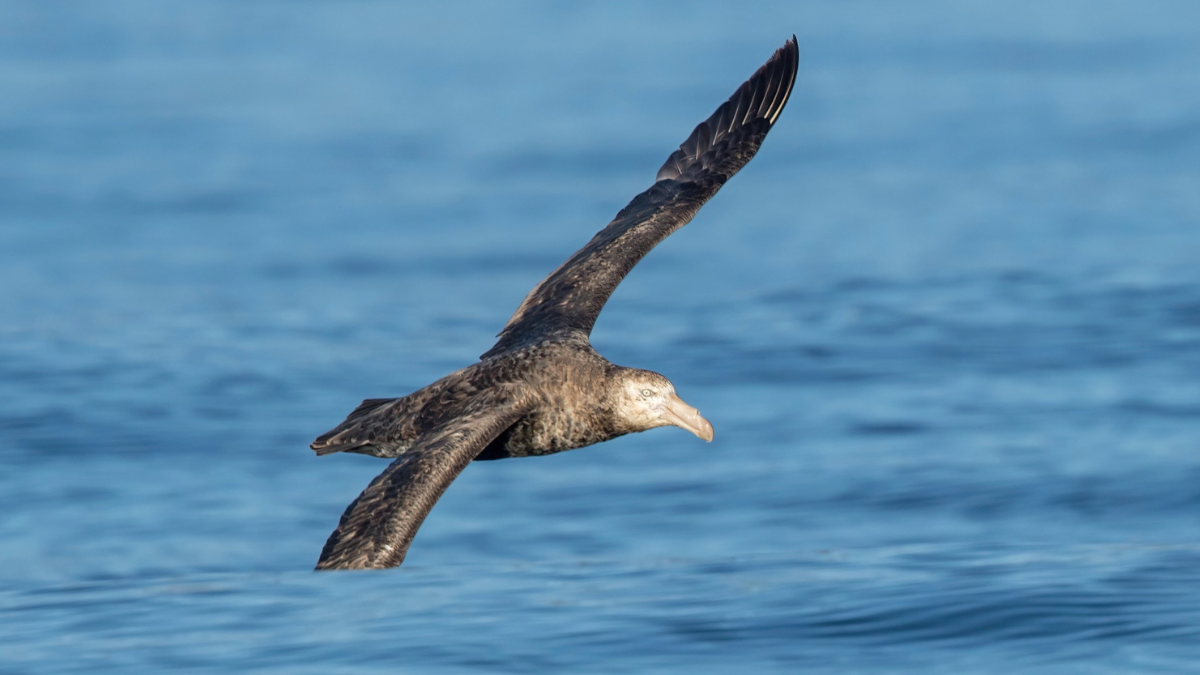
In NSW, the only confirmed detections remain the two giant petrels found near Hawks Nest on the Mid North Coast. There is currently no evidence of local animal-to-animal transmission in NSW, and environmental surveillance and monitoring activities continue. Authorities remain alert to the possibility of further virus incursions through infected seabirds arriving directly on the NSW coastline or through spread from areas where local transmission is now occurring interstate.
NSW Health is working closely with animal health and environmental agencies under a One Health framework to undertake coordinated preparedness and response activities.
What does this mean for ACCHOs?
ACCHOs are trusted sources of health information and support within communities. They have an important role in sharing accurate information, promoting awareness and helping community members understand how to respond safely to sick or dead birds.
ACCHOs can also help reassure communities that the current risk to people remains low while encouraging practical measures to reduce potential exposure.
As media coverage of avian influenza is likely to increase following confirmation of transmission among wild birds in Australia, ACCHOs may receive additional questions from community members. Services can help by reinforcing that, while this development is important for wildlife health and environmental monitoring, there remains no evidence of human infection in Australia and the risk to the wider community remains low.
NSW Health has published a clinician alert on avian influenza. While most patients presenting with flu-like symptoms will have common respiratory infections, clinicians should consider avian influenza in patients with compatible symptoms and contact with unwell birds or animals within the previous 10 days.
If avian influenza is suspected, isolate the patient immediately and contact your local Public Health Unit on 1300 066 055 for advice on testing, infection control and public health follow up.
Clinicians should also strongly encourage patients to remain up to date with their seasonal influenza vaccination. Although the vaccine does not protect against avian influenza, it reduces the risk of co-infection with seasonal and avian influenza viruses and is an important measure to reduce the burden of influenza in the community.
Key messages for patients
Community members can be reassured that:
- The current risk of H5 bird flu to people in Australia is low.
- Bird flu does not spread easily to humans.
- There is currently no evidence of transmission to Australian poultry.
- Poultry meat and eggs are safe to eat when handled and cooked using standard food safety practices.
To stay safe:
- Avoid touching sick or dead birds and other wildlife.
- Keep pets and children away from sick or dead birds and animals
- If you find sick or dead birds, record the location and report them
- Wash hands thoroughly with soap and water after contact with wildlife
- Individuals who work closely with wildlife, including rangers and wildlife carers, should always use appropriate personal protection equipment (PPE).
The national message is simple: Avoid – Record – Report.
Reports can be made to the Emergency Animal Disease Hotline on 1800 675 888.
Resources for ACCHOs and Communities
The NSW Department of Primary Industries and Regional Development has developed resources specifically for First Nations communities, including:
- Advice for First Nations communities
- First Nations Bird Flu Information Poster
- First Nations Avian Influenza Factsheet
These resources can support community education activities and help ensure communities have access to trusted, culturally appropriate information.
Key takeaway
While the current risk of bird flu to people in Australia remains very low, ACCHOs play an important role in supporting community awareness and preparedness. Clinicians should remain alert to the possibility of avian influenza in patients with compatible symptoms and relevant bird or animal exposure history, and seek advice promptly from the Public Health Unit when cases are suspected.