






From 1 October 2026, COVID-19 vaccines will transition from the standalone National COVID-19 Vaccine Program (NCVP) to the National Immunisation Program (NIP). This change means COVID-19 vaccination will become part of Australia’s routine immunisation schedule, with free vaccines continuing to be available for people at greatest risk of severe illness from COVID-19.
From 1 October 2026, states and territory health departments will manage COVID-19 vaccine ordering, distribution, reporting and program support through the same systems used for other NIP vaccines. Vaccination providers must continue to record all COVID-19 vaccinations on the Australian Immunisation Register (AIR).
Why is this changing?
When COVID-19 vaccines were first introduced, most Australians had little or no immunity to the virus. The national program was designed to provide broad vaccine access during the pandemic response.
COVID-19 is now considered endemic in Australia, meaning it is consistently present in the community. However, it continues to cause serious illness, hospitalisation and death, particularly among older people, Aboriginal and Torres Strait Islander peoples, and people with severe immunocompromise or certain chronic medical conditions.
Vaccination remains an important way to reduce the risk of severe disease and help protect people at highest risk.
Who can receive a free COVID-19 vaccine under the NIP?
From 1 October 2026, free COVID-19 vaccines will be available for:
- Adults aged 75 years and over: two funded doses each year, given approximately six months apart.
- Adults aged 65 to 74 years: one funded dose each year.
- Aboriginal and Torres Strait Islander people aged 50 to 74 years: one funded dose each year.
- Adults aged 18 to 64 years with severe immunocompromise: one funded dose each year.
People who are not eligible for a funded vaccine under the NIP may still access a COVID-19 vaccine through private purchase after discussing the benefits and risks with their healthcare provider.
What does this mean for Aboriginal and Torres Strait Islander communities?
Aboriginal and Torres Strait Islander peoples remain a priority population because they continue to experience a higher risk of severe outcomes from COVID-19. According to the Australian Technical Advisory Group on Immunisation (ATAGI), the COVID-19 mortality rate among Aboriginal and Torres Strait Islander people was approximately 1.5 times higher than non-Indigenous Australians between 2022 and 2026.
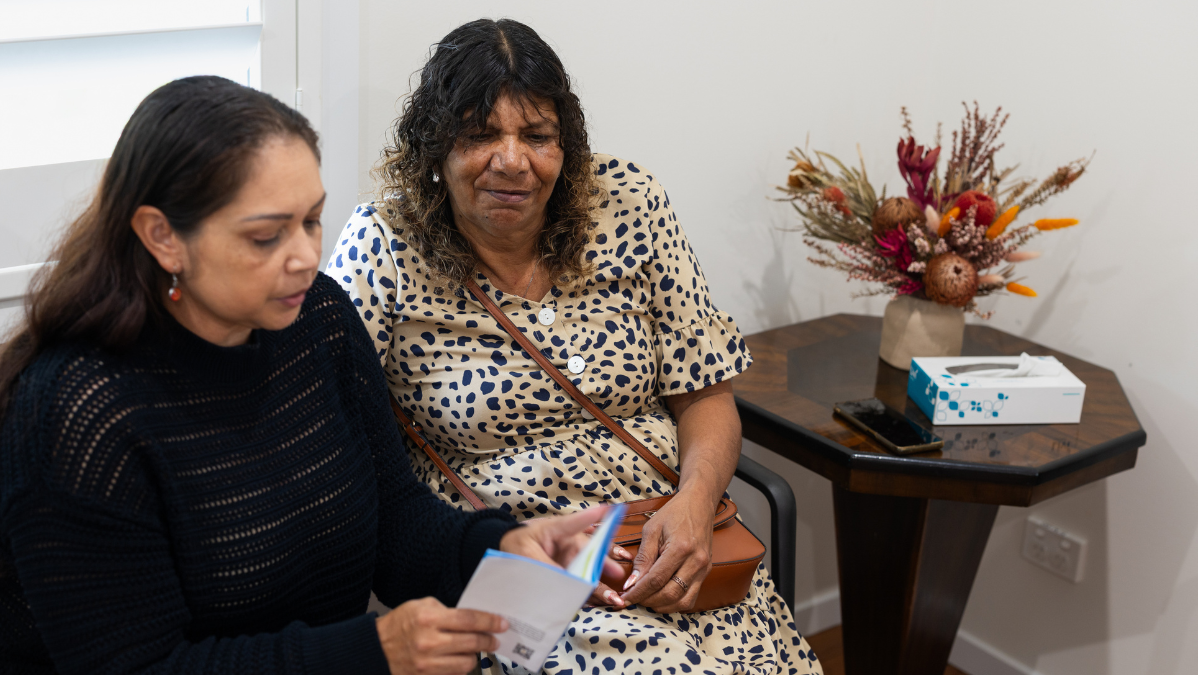
ACCHOs will continue to play an important role in identifying eligible patients, supporting vaccine uptake, and having conversations about the benefits of vaccination during routine care, health assessments and chronic disease reviews.
Important updates for health professionals – preparing for the transition
Although eligibility for funded COVID-19 vaccines is becoming more targeted, the importance of vaccination for people at higher risk remains the same. Recommendation from a trusted health professional is one of the strongest influences on vaccine acceptance.
The current COVID-19 vaccine available for use is Comirnaty LP.8.1. COVID-19 vaccines can be given at the same time as other vaccines for people aged five years and over, making it easier to offer vaccination during routine appointments. There is no recommended minimum interval between a COVID-19 infection and vaccination.
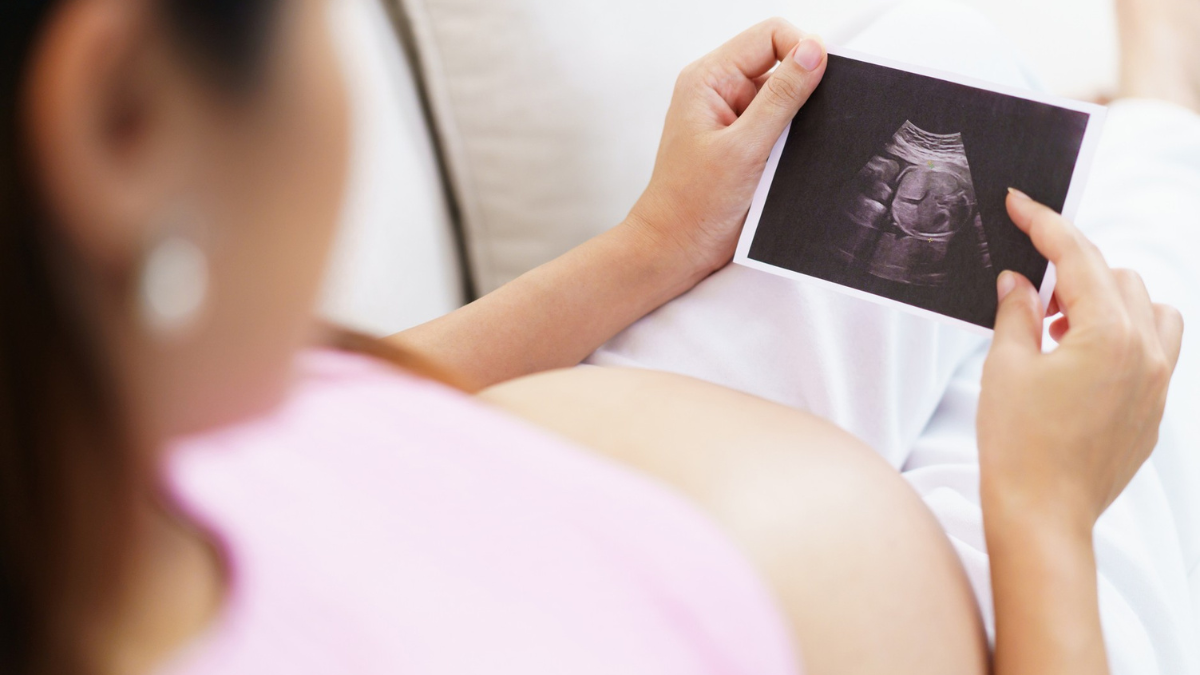
For pregnant women, a COVID-19 vaccine dose may be considered from 20 weeks’ gestation in each pregnancy. COVID-19 vaccines can also be given at the same time as influenza, pertussis and RSV vaccines where appropriate.
Key message for ACCHOs
While the COVID-19 vaccination program is becoming more targeted, vaccination continues to be an important way to protect community members most at risk of severe disease. ACCHOs can support a smooth transition by updating recall systems, identifying eligible patients and continuing to discuss COVID-19 vaccination as part of routine, culturally safe primary health care.
The Department of Health has published the following resources to support this transition:
- COVID-19 vaccine NIP transition – Update for immunisation providers
- COVID-19 vaccine NIP transition – Program advice for health professionals
- COVID-19 vaccine NIP transition – Information kit for health professionals
- COVID-19 vaccine NIP transition – Consumer factsheet
The Australian Immunisation Handbook advice will be updated on 1 October 2026.