






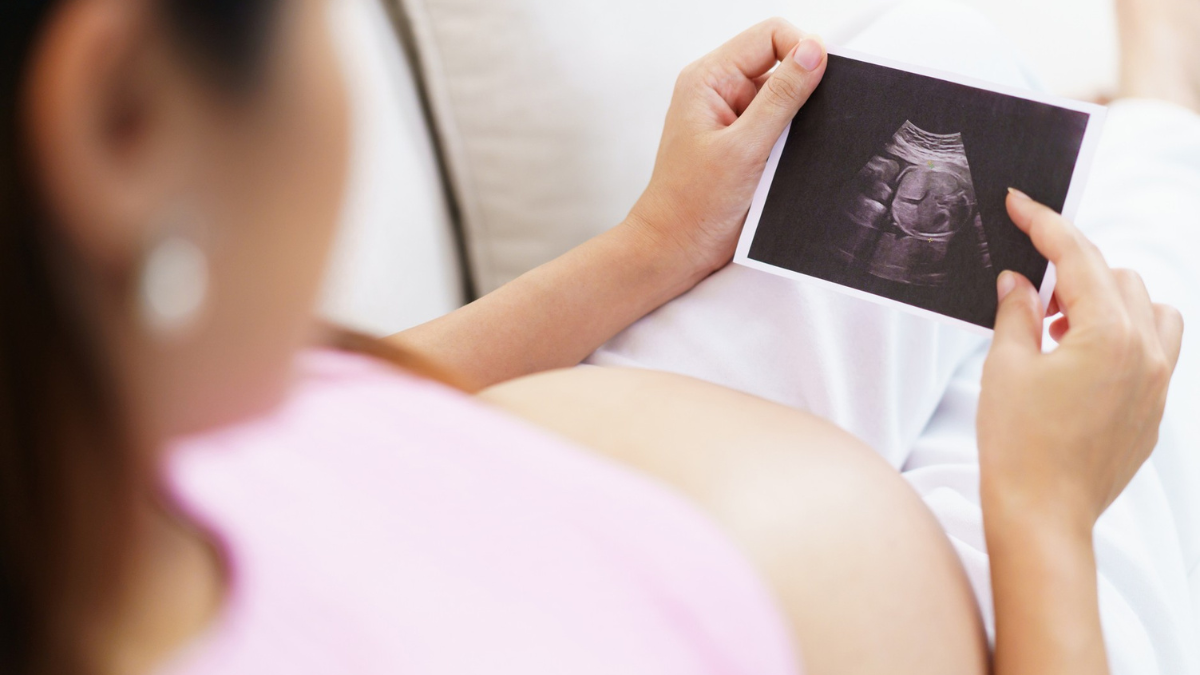
NSW Health has released an updated Policy Directive, Syphilis in Pregnancy and Newborns. The revised directive strengthens requirements for syphilis screening, treatment and follow-up during pregnancy, as well as the management of newborns at risk of congenital syphilis. Congenital syphilis is preventable. However, if syphilis is not detected and treated during pregnancy, it can have serious consequences for babies, including miscarriage, stillbirth, preterm birth, low birth weight, congenital infection and neonatal death.
The updated directive reinforces the importance of timely screening, treatment and follow-up throughout pregnancy to reduce the risk of congenital syphilis and support healthy outcomes for mothers and babies.
Every opportunity to prevent congenital syphilis
The updated guidance aligns with the Australian Pregnancy Care Guidelines and reinforces the importance of offering syphilis screening to all pregnant women at three key points during pregnancy:
- At the first antenatal visit
- At 26–28 weeks’ gestation
- At 36 weeks’ gestation or at birth, whichever occurs earlier
For women who have had limited or no antenatal care, screening can be offered opportunistically at any stage of pregnancy.
Ask, Screen, Treat and Connect to Care
Routine health assessments, antenatal visits and other healthcare contacts provide important opportunities to offer syphilis screening, facilitate timely treatment and support ongoing follow-up throughout pregnancy.
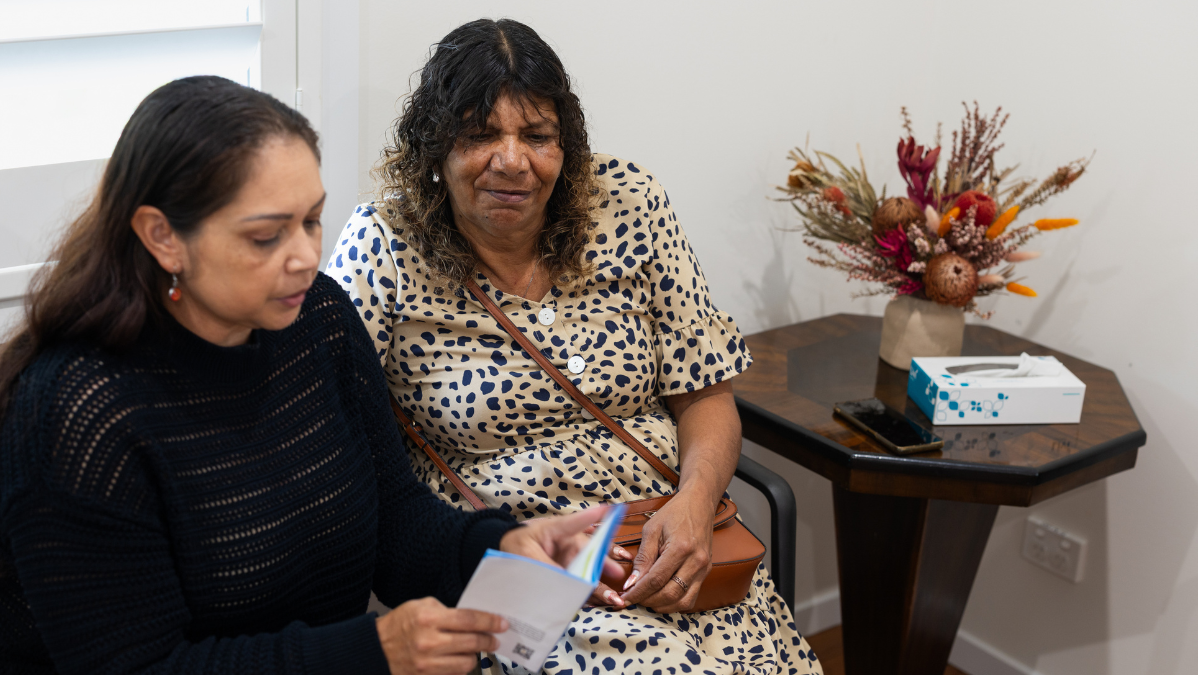
Through culturally safe, community-led care and trusted relationships with Aboriginal women and families, ACCHOs play a vital role in preventing congenital syphilis and improving outcomes for mothers and babies.
Resources
- Syphilis Support Program
- NSW Health: Syphilis in Pregnancy and Newborns (PD2026_044)
- Fact Sheet for Aboriginal and Torres Strait Islander Peoples on Syphilis
For more information, resources or support in implementing syphilis screening activities, please contact the Public Health Team at publichealth@ahmrc.org.au.