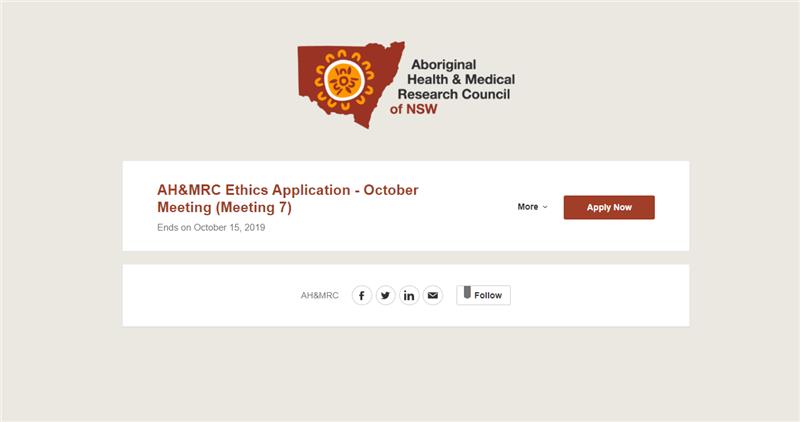
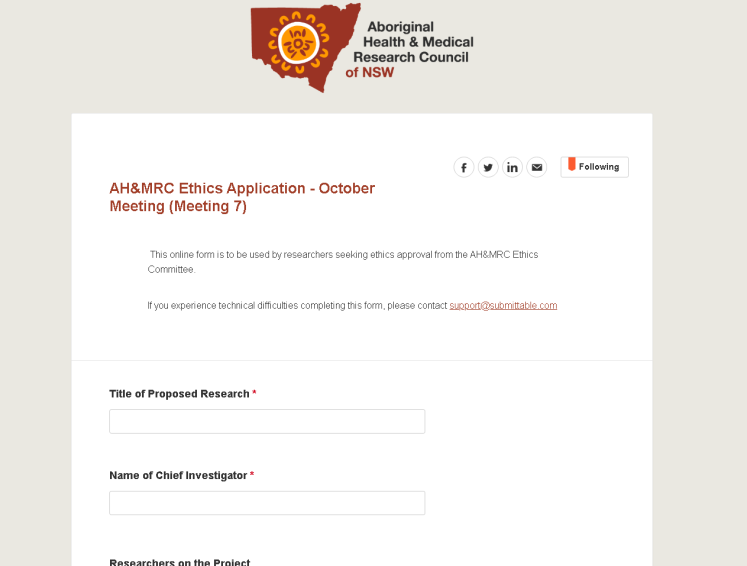
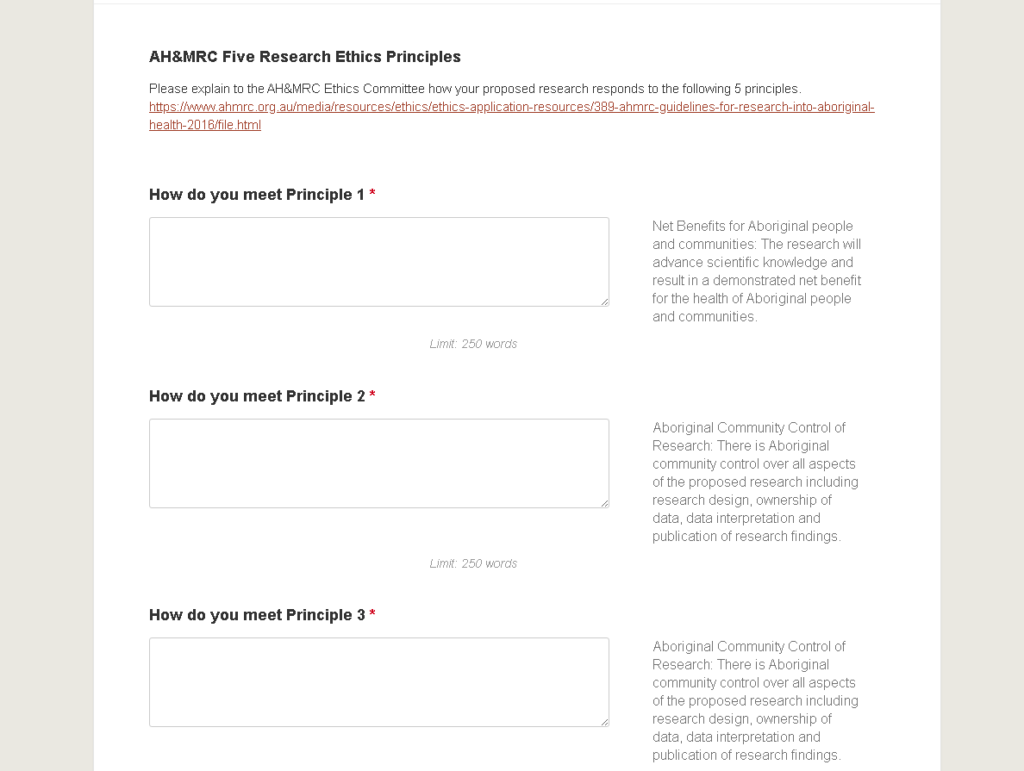
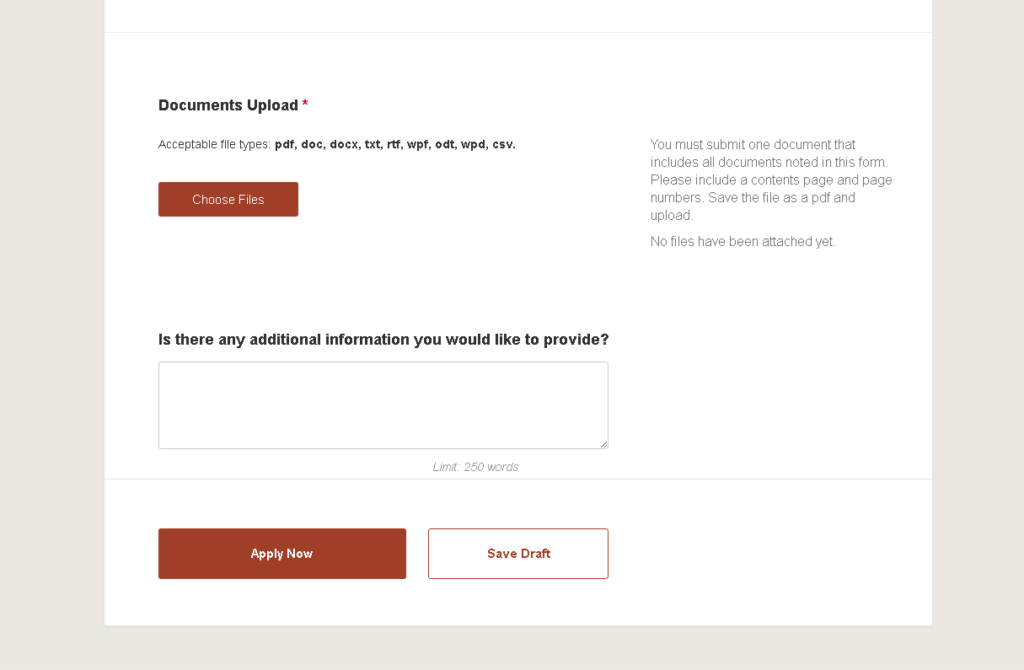
The AH&MRC Human Research Ethics Committee (HREC) is changing the way it does business. Welcome to the first public viewing of the new AH&MRC Ethics software Submittable. Submittable is a portal-based system whereby applicants can monitor and maintain files they submit to the AH&MRC HREC. The HREC is putting researchers in control of their application. As a researcher, you are now able to see what meeting your application is going to and be able to monitor the progress of your application. Best of all, you can submit documents as they are updated directly into your file.
Step 1) In order to submit an application Simply click ‘Apply Now’ on the meeting you would like to submit to (See below).
Step 2) Complete the AH&MRC HREC Cover Sheet by filling in 5 Key Principles in an online form (see below).
Step 3) Upload the documents you want the reviewers to see. You will also be able to add any final comments using the ‘additional information’ comments section (see below).
The Submittable portal is now open. It is optional for researchers to use Submittable up until the December 2019 AH&MRC HREC Meeting. We encourage applicants to start using the portal as early as possible. Using the Submittable portal will ensure your application file is saved on our database and help streamline the HREC Application Process.
To submit an application through the Submittable portal click here.
The AH&MRC Ethics Committee looks forward to providing more information on the system as it becomes available.
The mental health and wellbeing of Indigenous people across the globe is an area of great focus, no more so than in Australia currently as Indigenous health is set to be a key issue in the upcoming Federal Election.
The social and emotional wellbeing of Australia’s Indigenous people (Aboriginal and Torres Strait Islander people) is an area of disadvantage and inequity that the Australian Government and nation as a whole continues to grapple with. The release of the recent Closing the Gap – Our Choices Our Voices Report (The Lowitja Institute, 2019; Prime Minister and Cabinet, 2019) highlights limited gains in the health and wellbeing of Indigenous Australians.
The gap in life expectancy is widening not closing with Indigenous people continuing to die early due to preventable chronic health diseases. The incidence of mental distress and disorder and the incarceration rate of Indigenous Australians is disproportionately high when compared to non-Indigenous Australians.
Tharawal Aboriginal Medical Service (AMS) is based in Airds, NSW and celebrated its 35th year of operation in 2018. Tharawal AMS provides healthcare, social and cultural support services to Indigenous Australians across South West Sydney. Tharawal AMS is an Aboriginal Community Controlled Health Organisation (ACCHO), independent of the Government, Primary Health Networks (PHNs) and independent of but aligned in principle to other AMSs across Australia.
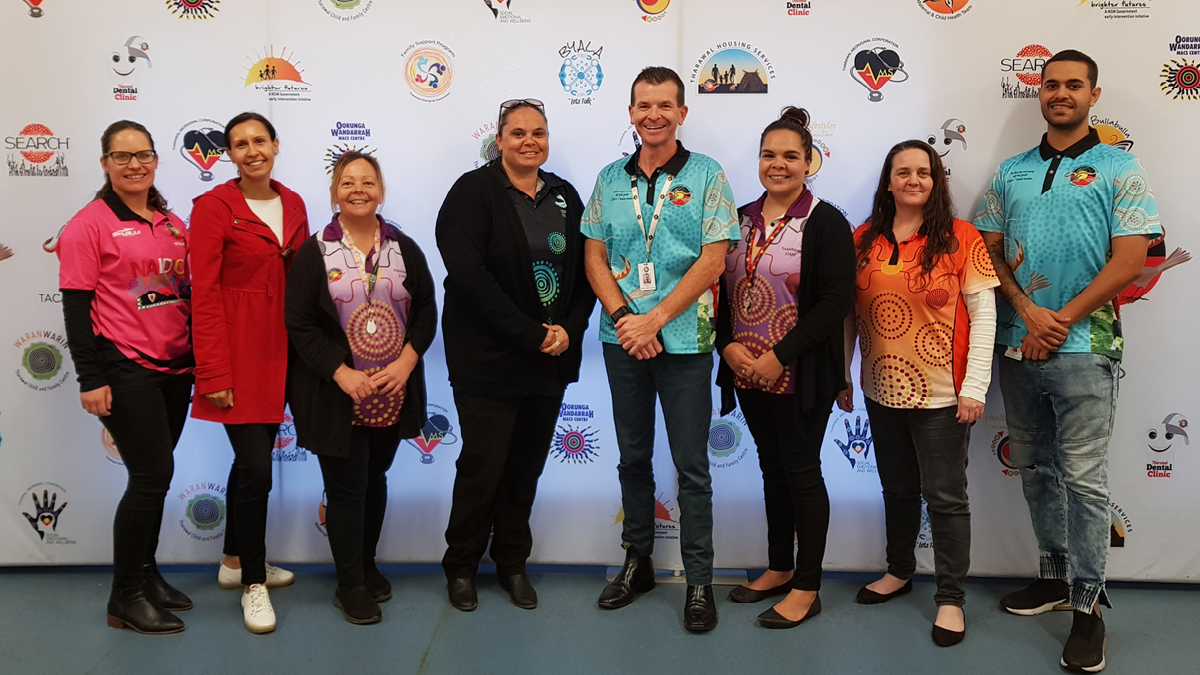
The Byala team, Byala meaning ‘lets talk’ in the local Dhawaral People’s dialect, is a multi-disciplinary team made up of 7 staff. The team is led by a Mental Health Nurse Practitioner (MHNP) and includes an Aboriginal Mental Health Worker, Aboriginal Drug and Alcohol Worker, Aboriginal Youth Worker and a Psychologist. Access to a second Psychologist for 2 days of the week and a Child Psychologist 1 day a week. The Byala team provides direct service to Indigenous Australians aged 5 years and older. Services are delivered in a number of modes including individual and group, office-based and outreach (including hospital visits, home visits, school visits and other service visits). To meet the needs of our target community both appointment-based and walk-in clinics are offered. 71% of the Byala team are Aboriginal.
The Byala team sits within Tharawal’s Social and Emotional Wellbeing (SEWB) team supporting a Manager, Social Support Worker, 2 Housing Support Workers, Home Support Worker and a Bringing Them Home Worker (reconnecting the Stolen Generation) to provide broad SEWB support to the Community.
The Byala team is a partnership between clinical and cultural staff. Our PHN funds the staff through mental health stream funding or drug health stream funding. Our MHNP is funded jointly through both mental health and drug health streams. Our MHNP coordinates and provides service across both mental health and drug health areas, comorbidity is overwhelmingly the rule, not the exception. The extended roles, broad education and competence of the MHNP is a key element that allows the team to manage a wide spectrum of presentations and levels of acuity.
The Byala team works from the belief that connection to land, culture, spirituality, family, and community are important to people and impact their wellbeing.
The practice of this belief is reflected in the mix of clinical, social and cultural services and programs run by the team’s staff – from twice weekly Nurse Practitioner mental health / drug health walk-in clinics, psychology sessions, cultural art groups, fortnightly psychiatry clinic, twice-weekly youth cultural dance groups and regular community wake / memorial events.
The success of the Byala team is grounded in the fact that Tharawal AMS is a community controlled and run organisation for the local Aboriginal Community by the local Aboriginal Community that places equal importance on the complementary role of clinical and cultural staff. We are a service run by the Community we serve and accountable to the Community we serve.
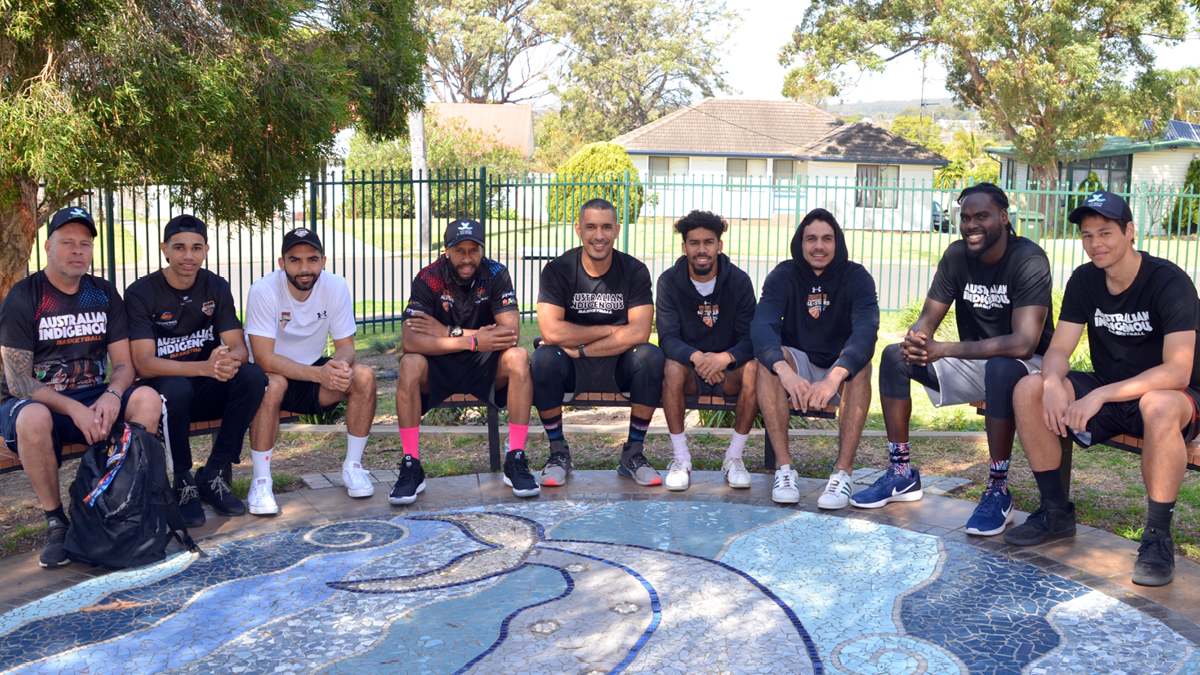
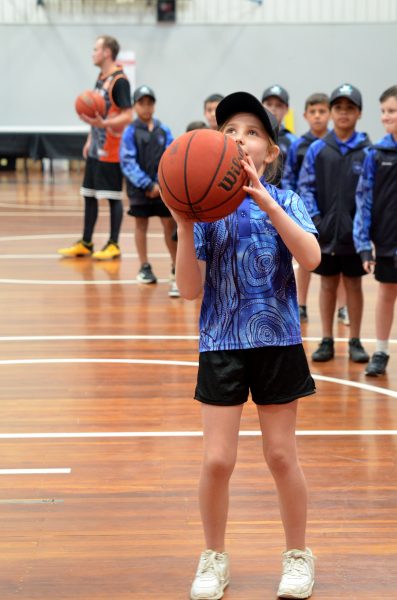
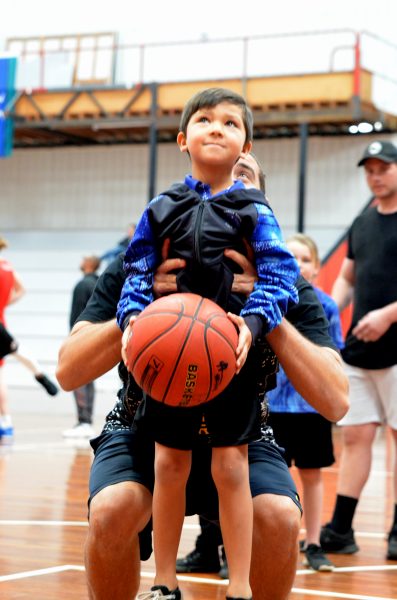
The Your Health Your Future Ambassador Program kicked off with a high-octane bang last week as the Illawarra Hawks challenged the Australian Indigenous All Stars to their first event match against an NBL team. Both teams showed off their sportsmanship by engaging in various health promotion activities with some local primary school students.
All Stars visit Warilla North Public School
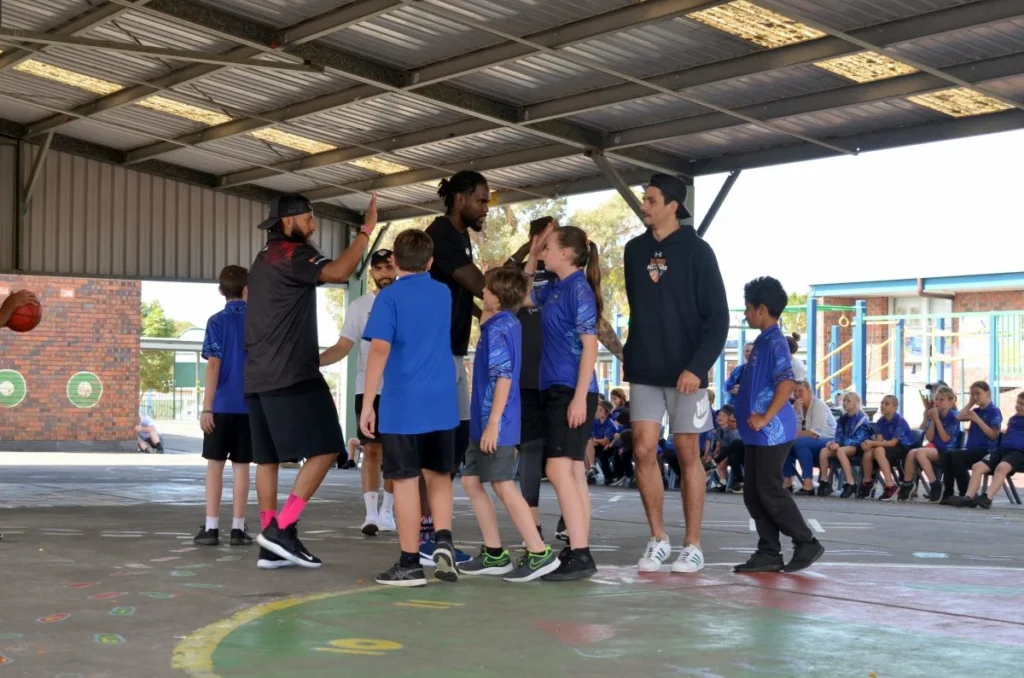
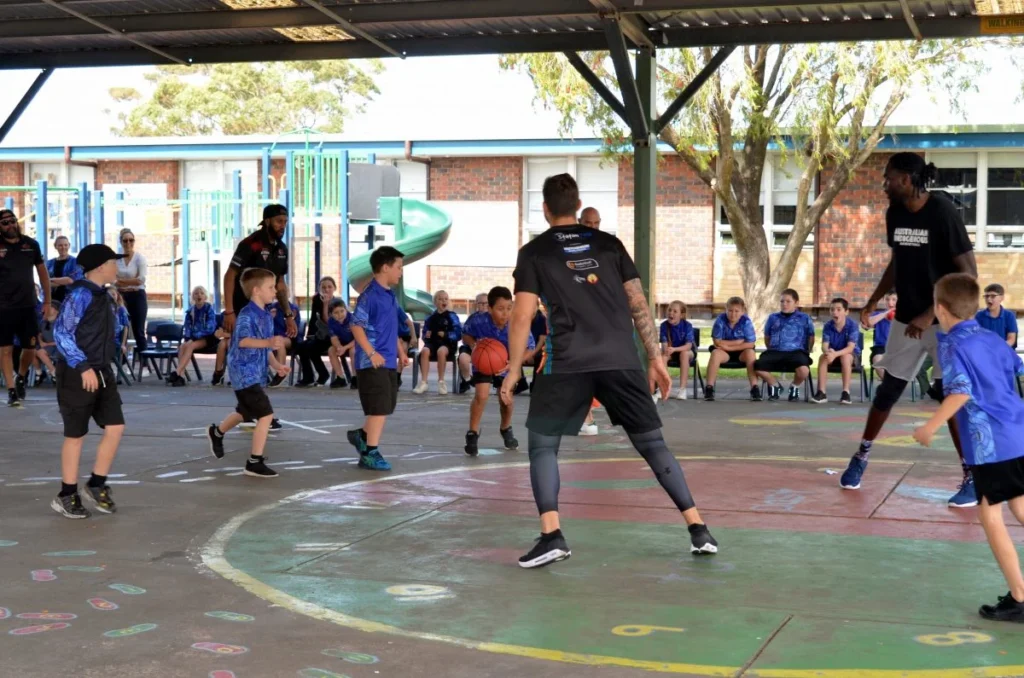
On Friday in collaboration with Illawarra AMS, the All Stars visited Warilla North Public School, a local school with a passion for basketball, and challenged the kids to a classic 5-on-5 set up. The points flew thick and fast from both sides, but some tricky manoeuvres and skilful defence saw the kids from Warilla North Public beating the All Stars by just one point. Congrats to Warilla North, and of course to the All Stars for bringing the challenge and the passion for the game.
All Stars face off against the kids at Warilla North
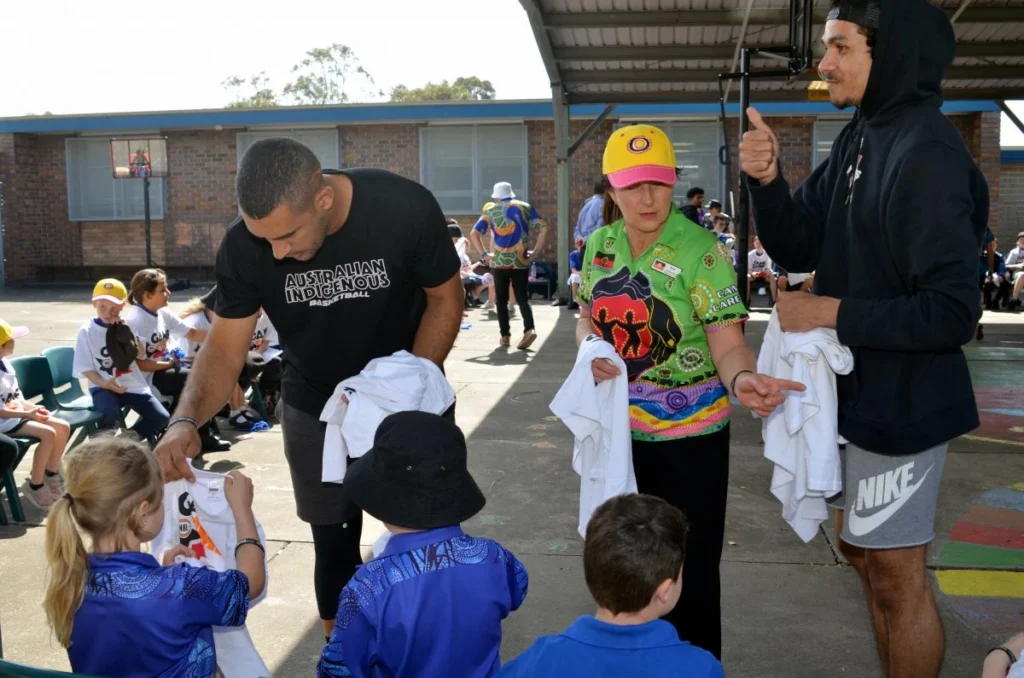
After the game, the players and coaching staff spoke to the students about the importance of playing sport and being active, and why water is the healthiest drink to choose if they want to grow up and be an All Star! The players and the AH&MRC team distributed Your Health Your Future health promotion items including hats, skipping ropes, bouncy balls and other equipment that can empower kids to get active.
It was a fabulous day all round which illustrated the power of health partnerships where the Warilla North teaching staff, the All Stars, IAMS and the AH&MRC all came together to demonstrate and promote the importance of sport and fitness for children and young people.
All Stars and Illawarra Medical Service hand out Your Health Your Future Resources
On Saturday, the Hawks and the All-Stars held an open training session in Wollongong, where Warilla North students (proudly wearing their new Your Health Your Future hats) got to watch the pros warm-up and shoot hoops in anticipation of the Saturday night pre-season Indigenous challenge. This game gave the Hawks a chance to debut their 2019 squad including new recruits LaMelo Ball and Aaron Brooks, and was also the first time the All Stars had the chance to compete against an NBL team. While the Hawks won the game, the All Stars’ exciting performance against the established Hawks means it surely won’t be the last.
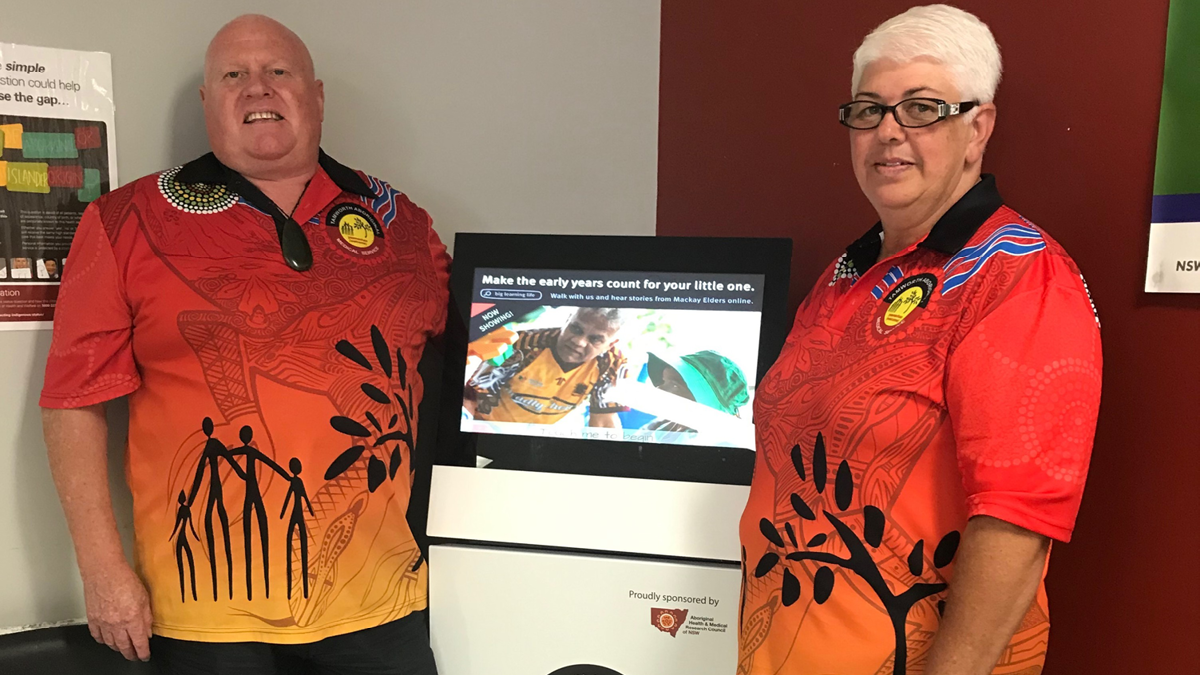
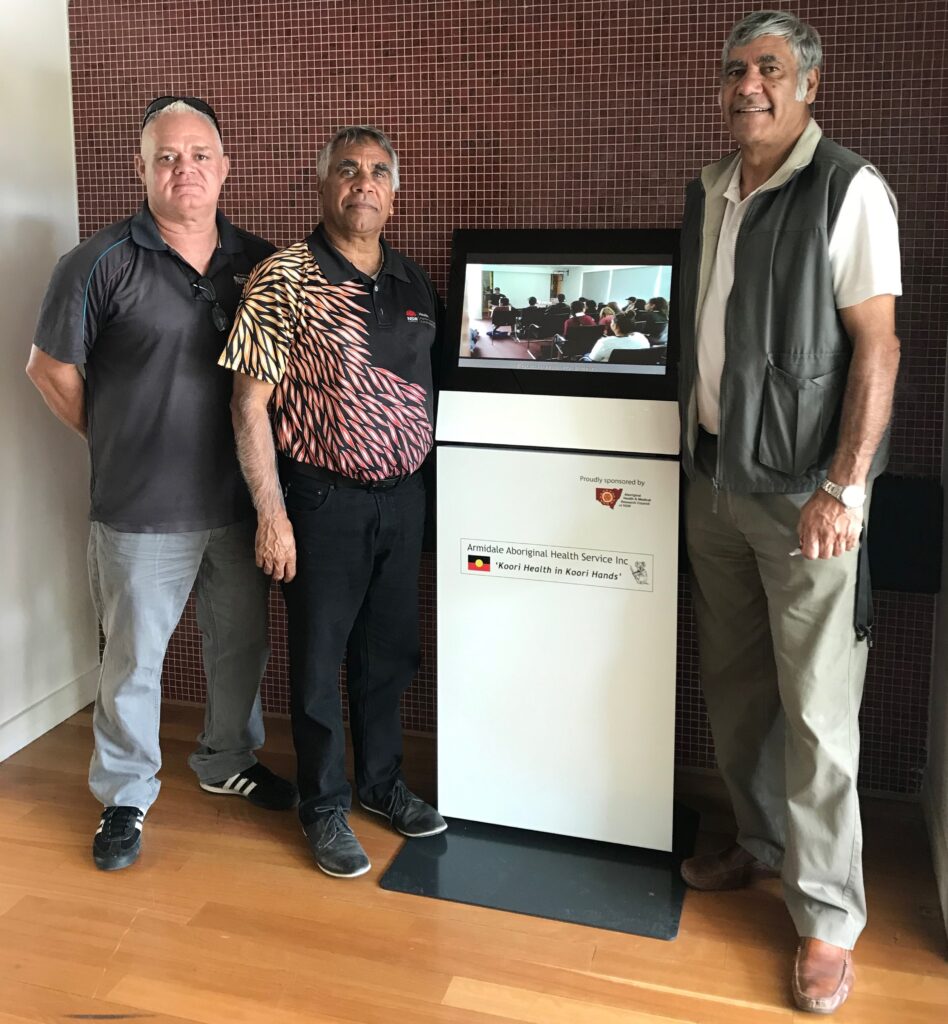
Hitnet Community Hubs provide connection and access to information for difficult-to-reach and digitally excluded populations across Australia. The Hubs enable people to connect to online services, access and share culturally appropriate health and social information.
Hitnet was first utilised by the AH&MRC as a practical tool for services to use through the Head Lice project, whereby relevant content central to the project was loaded onto the Hub and placed in the local AMS for the community to engage with. The local AMS in question has a range of projects and activities which they are enthusiastic to promote to their community through Hitnet. Another Member Service saw the value of Hitnet and included it in a funding grant application. This specific Member was successful in their application and was able to purchase a Hub for their service.
The AH&MRC engages with our Members and their communities in meaningful ways. Through a range of face-to-face, online, workshops, training and collaborations initiatives, we aim to communicate, educate and promote Aboriginal health. These are proven and effective means to connect with and learn from our Members.
Hitnet fulfils a service need of sharing locally generated content and key public health messages with Members, their staff and the wider community. The Hubs offer an effective method for engaging with the community and sharing important educational material in a timely, culturally safe and innovative way.
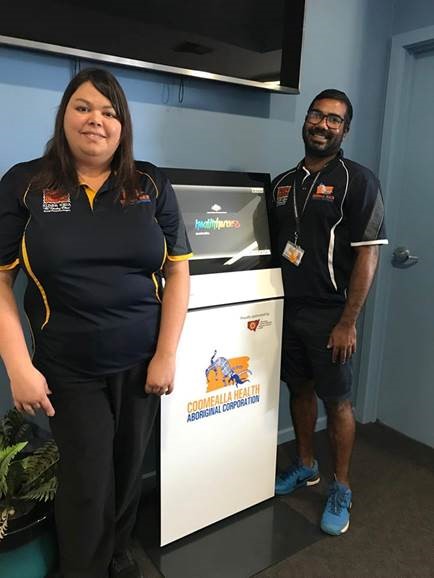
Coomealla Health Aboriginal Corporation Hitnet Hub
Each Hitnet Hub is used on average 1,000 times per year, representing purposeful interactions. Hitnet is essentially a one-stop-shop for all health promotion content. The team at Hitnet provide 3 monthly reports which provide reach and engagement metrics for their Hubs. This data can help to assess individual community needs and guide the development of health programs.
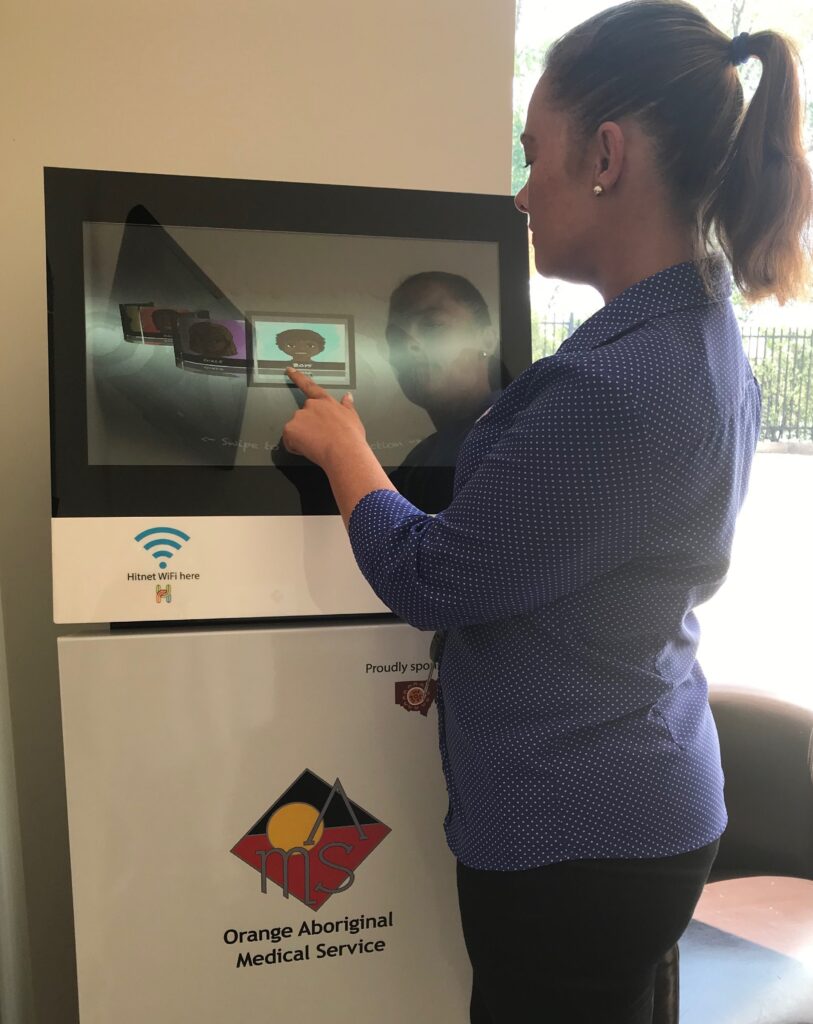
The AH&MRC have been able to purchase Hitnet Hubs for Orange Aboriginal Medical Service, Tamworth Aboriginal Medical Service, Pat Dixon Medical Centre, and Coomealla Health Aboriginal Corporation. Hitnet Hubs have enabled Member Services to access culturally appropriate health promotion resources and online services.
Coomealla Health Aboriginal Corporation Hitnet Hub
The Hitnet Hubs are located in Medical Service waiting rooms and provide the perfect opportunistic health education resource, especially for young people. The Hubs have a local channel, providing the perfect medium to advertise local community events and health programs running in the area. The local channel is also an avenue for Members to share success stories and highlight the amazing work that is being done in the community.
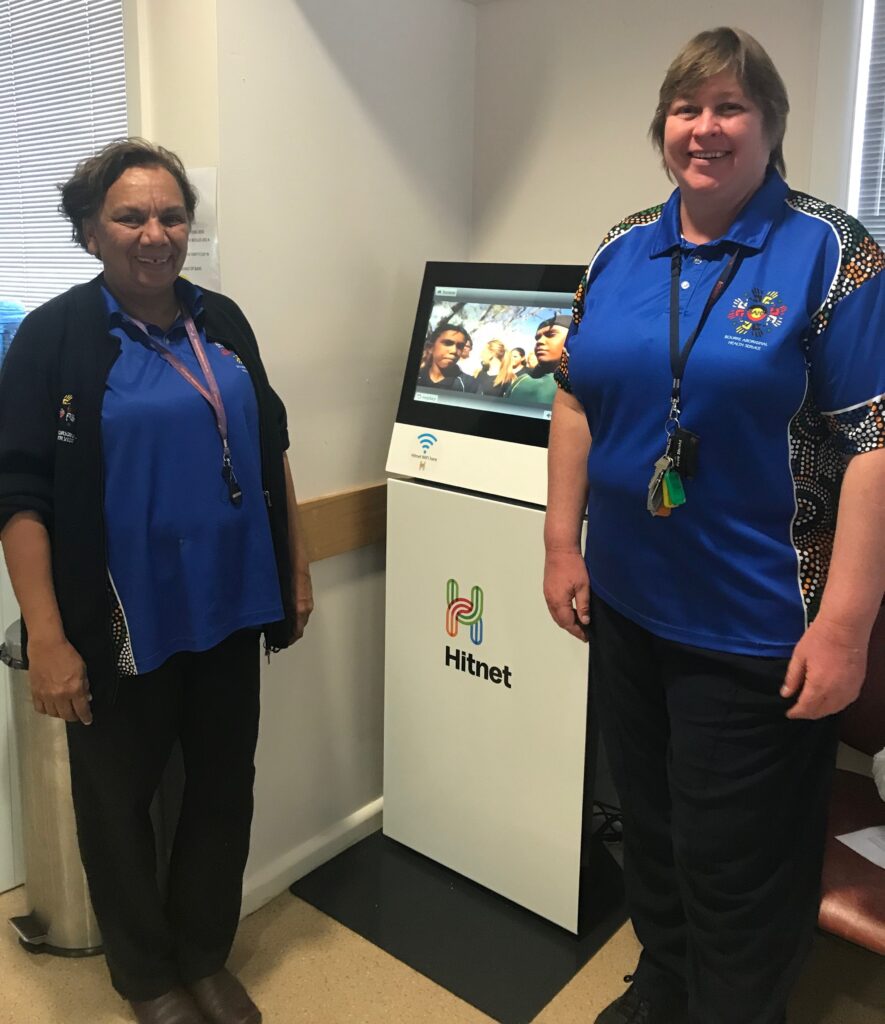
Bourke Aboriginal Health Service
Hitnet is an effective way for Members to reach and engage their local communities, especially in remote areas. Through involvement in this project, the AH&MRC has assisted in strengthening the connectedness of the ACCHS sector in the creation and sharing of health promotion content, contributing to improved health, wellbeing and educational outcomes of the Aboriginal community.
Bourke Aboriginal Health Service
For more information on how Hitnet can service your local community please email Julie Gibson, Hitnet CEO and Co-founder – julie@hitnet.com.au or Sam Paulford, Hitnet Operations Manager – samp@hitnet.com.au
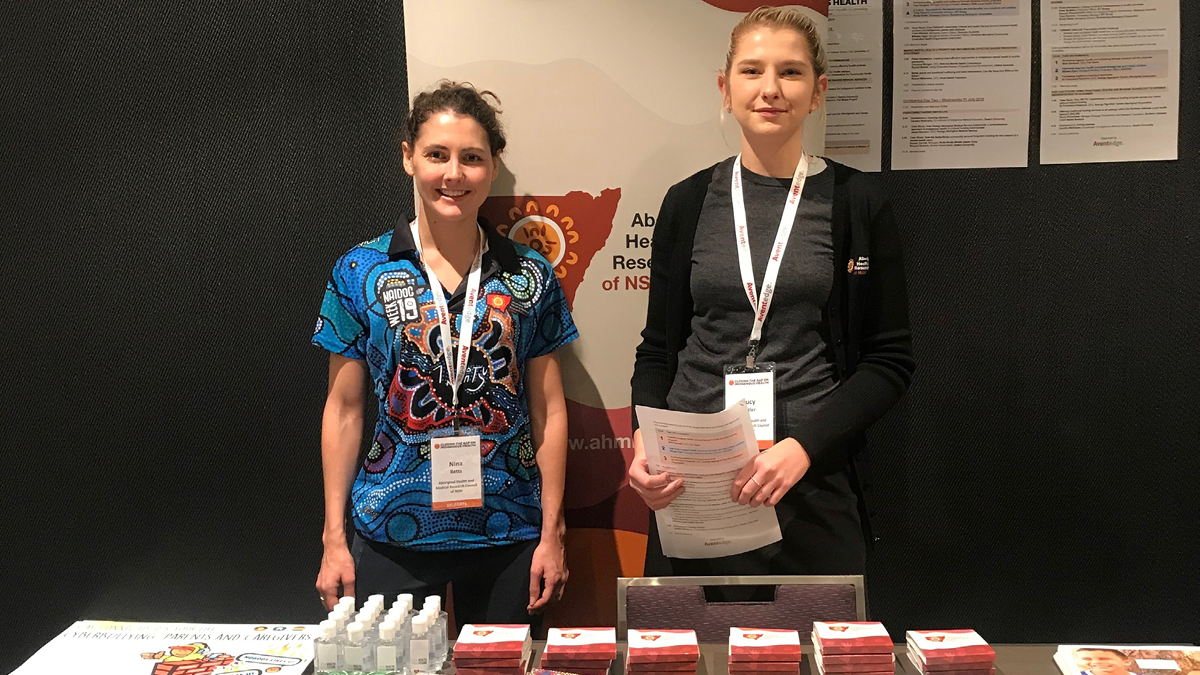
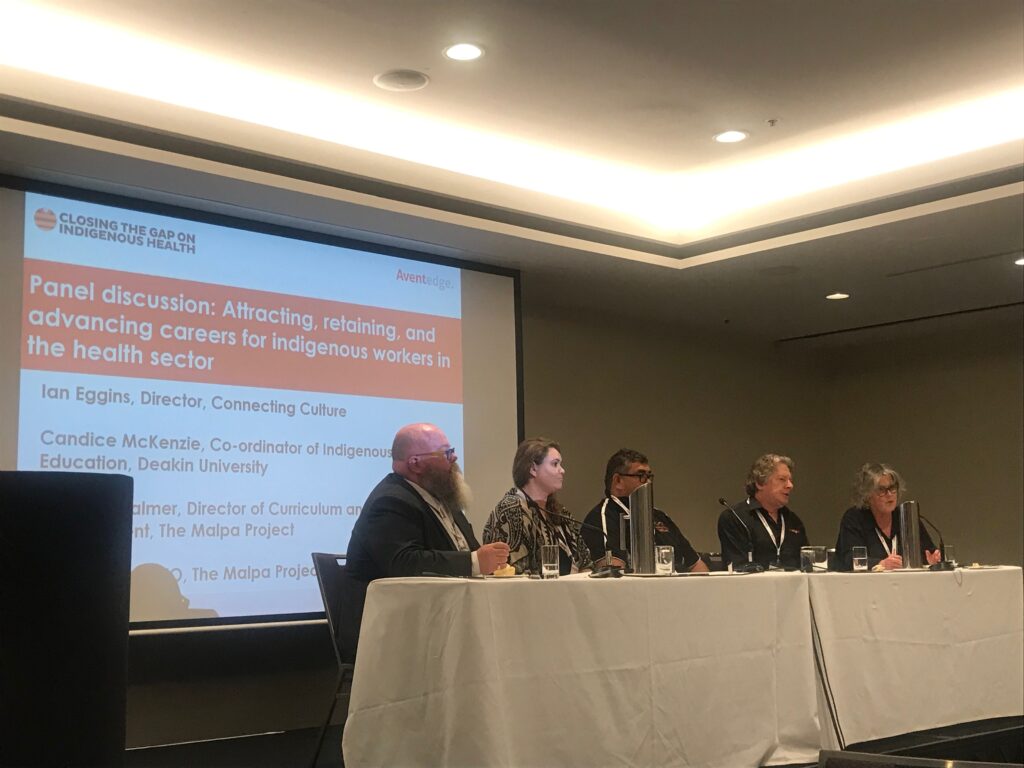
The Closing the Gap on Indigenous Health Conference was held on the 30th and 31st of July in Brisbane. Delegates in Aboriginal health from across the country gathered to discuss the Closing the Gap Report and its failures to address health inequity between Indigenous and non-Indigenous Australians. The format of the conference was collaborative with panels and yarning circles aimed at addressing the failures of the Closing the Gap campaign and spring-boarding solutions. AH&MRC staff members, Lucy, Nina and Sophie, attended the conference and several AH&MRC’s members were speakers over the two-day conference. Our Members contributions to discussions over the two days were invaluable and highlighted the great work NSW Aboriginal Community Controlled Health Services (ACCHSs) are doing in closing the gap.
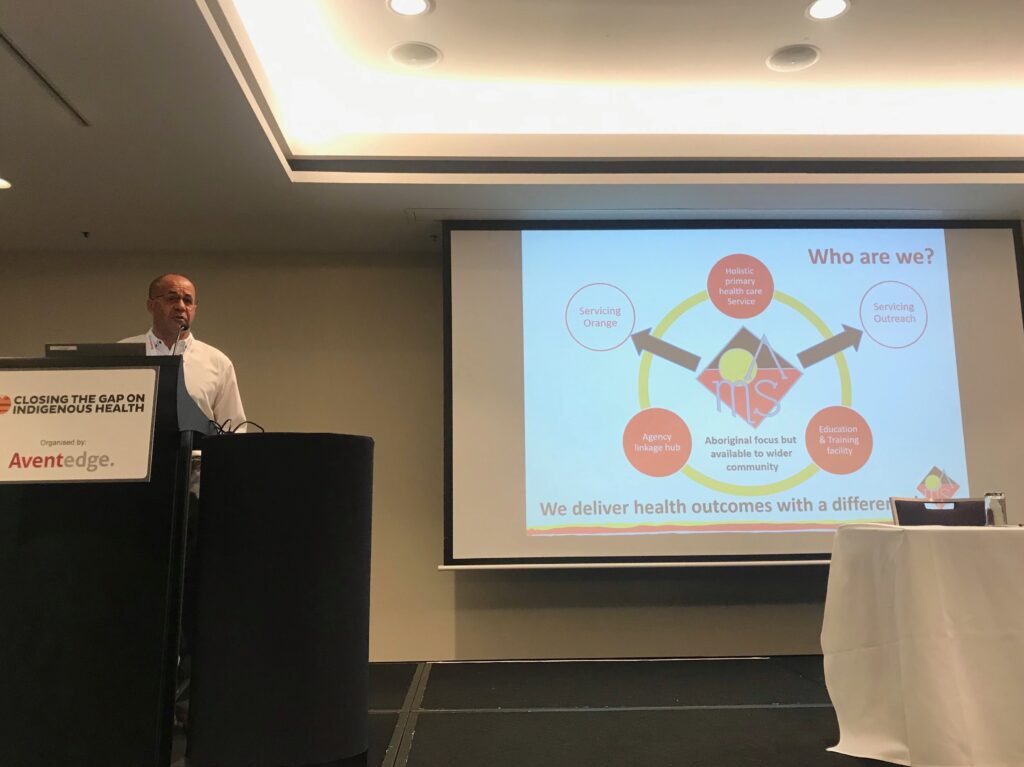
ACCHSs achieving self-determination was another key priority addressed at the Closing the Gap conference. On the second day of the conference, Orange Aboriginal Medical Service (OAMS), discussed how OAMS diversified their service in order to become more self-sufficient. OAMS has introduced the National Disability Insurance Scheme (NDIS) into its service as a result of community needs. Not only has the provision of this service allowed OAMS to be able to better service their local community, but it has also increased funding as a result of more patients coming through the service doors.
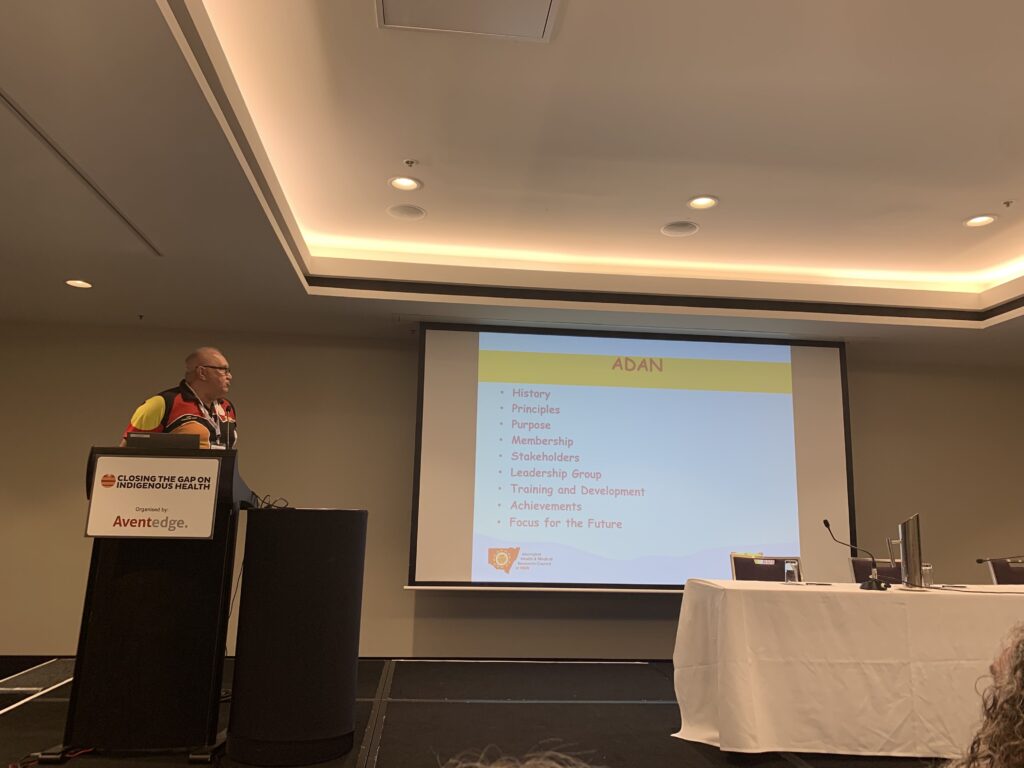
In their presentation, the Aboriginal Drug and Alcohol Network (ADAN) had a yarn about self-determination and their plans of becoming an incorporated body. ADAN was created by AH&MRC to provide a forum for Aboriginal Drug & Alcohol workers to share information, access professional and cultural support and discuss issues affecting their workforce and Aboriginal communities in NSW.
ADAN discussed how closing the gap on Indigenous health meant adopting a holistic approach aimed at addressing social and emotional health as well as physical health. Aboriginal and Torres Strait Islander people often turn to drugs and alcohol as a result of feeling disconnected from their culture and land. ADAN discussed how their treatment approach aims to reconnect Aboriginal people to their culture through individual therapy and therapeutic communities (residential rehabs).
It’s been 11 years since Close The Gap was introduced and the gap in life expectancy between Indigenous and non-Indigenous populations has widened, not closed. This is because Aboriginal Medical Services and their respective communities have not been in charge of their own health outcomes. In order to bridge the gap in life expectancy between Indigenous and non-Indigenous people, Indigenous health needs to be community controlled.
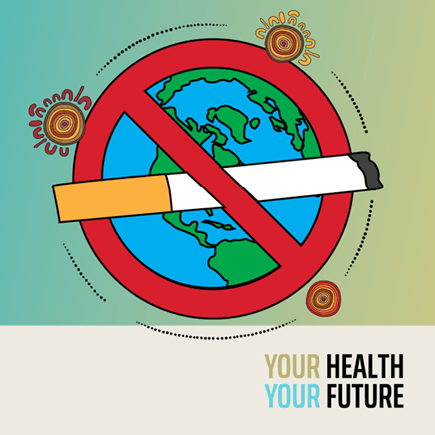
To promote World No Tobacco Day 2019, AH&MRC and members launched their first-ever Twitter Festival in collaboration with Croakey. The World No Tobacco Day 2019 Twitter Festival was used as a springboard to discuss important issues in the Aboriginal health space linked to smoking. The hashtags #YourHealthYourFuture and #CommunityControl were used to connect conversations between speakers on the day.
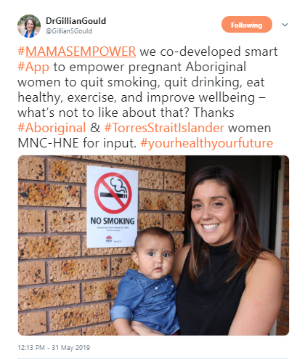
World No Tobacco Day (WNTD) 2019 provided the ideal platform to talk about the ongoing health risk to Aboriginal communities presented by smoking. While smoking rates in Indigenous communities have halved since 1994, a disproportionate amount of Aboriginal people still smoke. Speakers on the day, including Amy McQuire and Dr Gillian Gould, discussed the importance of closing the gap on discriminatory health care practices by involving Aboriginal communities in smoking cessation programs from the outset.
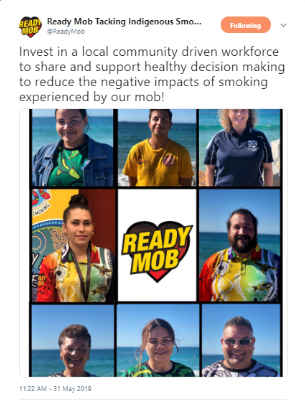
Community Control of Aboriginal health was a key discussion point of the WNTD 2019 Twitter Festival. Speakers on the day highlighted the importance of putting Aboriginal health back in Aboriginal hands. This approach has been proven to have better health outcomes for Aboriginal communities than a top-down policy approach. Our Member services, Waminda and Galambila – through their Ready Mob initiative, used their platform on the day to discuss the importance of empowering Aboriginal people to make informed decisions about their health.
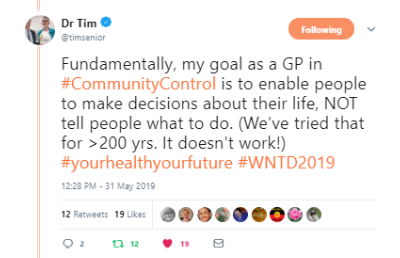
Another important discussion on the day was the 715 comprehensive medical assessment for Aboriginal Australians. Early detection of health issues is vital to ensure better health outcomes for Aboriginal people. Aboriginal Health GP, Dr Tim, was an important spokesperson for 715 health checks on the day. Tim’s tweets discuss the importance of tailoring Aboriginal health care to Aboriginal people and bolstering Aboriginal community-based healthcare initiatives.
The Twitter festival was a huge success. The event trended nationally by 9:30 am and generated sustained engagement throughout the day. The Twitter Festival engaged hundreds of participants, delivered 17 million Impressions and produced over 2,000 tweets using the hashtags #CommunityControl and #YourHealthYourFuture. AH&MRC would like to thank all the speakers and participants who got involved on the day. Without you, the WNTD 2019 Twitter Festival would not have been possible!