It is important that everyone stay’s safe, healthy, and strong over the long weekend. COVID-19 and the flu are still highly infectious and may be spread by close contact with other people, and Aboriginal people who live with chronic health conditions and/or are over 50 are at greater risk. If you are planning to go out on the weekend, make sure that you:
Plan your trip
Pack hand sanitiser, your own water bottle and follow the rules on buses, trains and trams. If you can, avoid using public transport by walking, riding a bike or sharing a lift with friends and family.
Wash, wash, and wash your hands!
Use hand sanitiser and wash your hands regularly throughout the day, especially before you decide to re-fuel with food and drink, as well as soon as you get home. Try to avoid touching your face when out and about, as this is the easiest way for germs to spread.
Continue to keep a safe distance
Try to keep a safe and healthy space between you and others. The best way to ensure that viruses don’t spread is to keep a safe distance of 1.5 metres and, as much as you may want to hug and kiss your friends and family, try not to.
The COVID-19 Safe app may also track who you’ve been in contact with and a health official will be in touch with you if you have been exposed to the virus. If you’d like to learn more about the COVID-19 safe app, click here.
If you feel unwell stay home
Our Communities have done a great job so far with keeping COVID-19 out. If you’re feeling sick with a cough, sore/scratchy throat, shortness of breath or fever, stay home to avoid putting your loved ones at risk.
As restrictions ease, it is more important than ever to stay safe and practise social distancing rules. For the latest updates and information visit the NSW Health website.
COVID -19 certainly provided some challenges in the delivery of our programs and services. As more social distancing restrictions came into place to stop the spread of COVID-19, the more innovative we became in looking for ways to ensure our Community’s needs were met both medically and emotionally.
We thought about what had to change to stay open and keep our frontline healthcare workers and Community safe. Phone consultations and telehealth helped in providing our medical services, and local rapid response funds helped ensure our elderly, chronically ill and vulnerable people were able to access food and hygiene packs. Education and messages were provided for community to stay informed and safe.
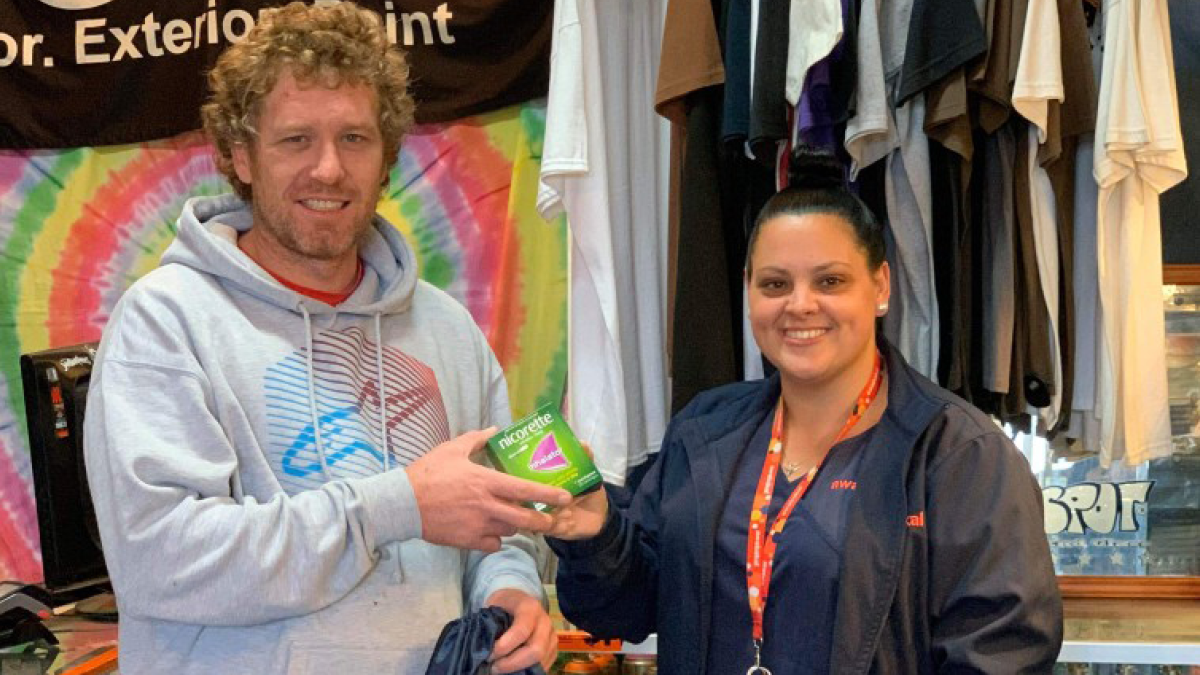
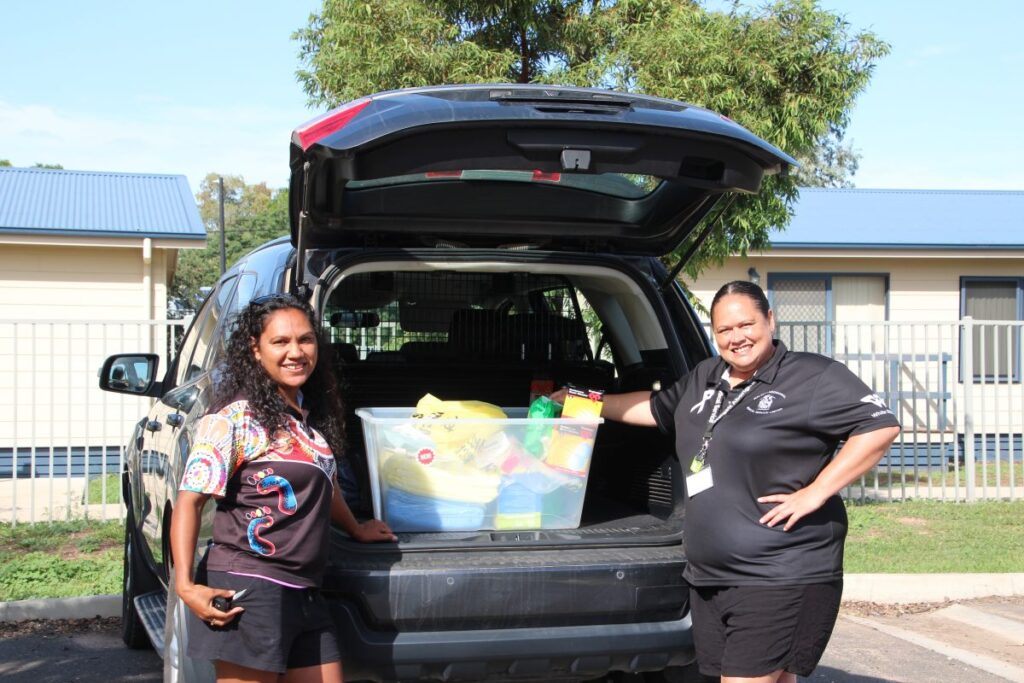
Our transport team, and workers from some of our face to face community programs were redeployed to assist our GPs and other Awabakal staff to get medication to clients in need. This included Nicotine Replacement Therapy (NRT) to help Community members to quit. These staff helped fax scripts to chemists and did door drops at people’s homes, ensuring that social distancing was still being adhered to, while meeting community needs!
The TIS (Tackling Indigenous Smoking) Program moved to online engagement and education during COVID-19. Many smokers had concerns over their susceptibility to respiratory illnesses, and existing ailments caused through smoking. Smoking assessments completed by GPs, AHPs and the TIS team by telehealth provided options and alternatives.
Community members contacted us to seek help and access our Nicotine Replacement Therapy (NRT) products that are known to assist in reducing cravings and the overall process of quitting. Our drivers delivered the NRT when required and the TIS team, GPs and clinic staff all embraced the opportunity to encourage people to start their quit journey.
Thank you Team Awabakal for being resilient and adaptable in difficult times to help support our communities to quit smoking. This includes helping with deliveries that provided encouragement, support and physical resources (NRT and Quit Kit deliveries) for those wanting to make a better choice.
Changing the ways we work at Awabakal, has helped people to access what they need, provided ongoing work for staff to sustain their incomes, and provided an opportunity to visit and check-in on our Community and clients.
Author – Tori Johnson, Awabakal Community Relations Manager
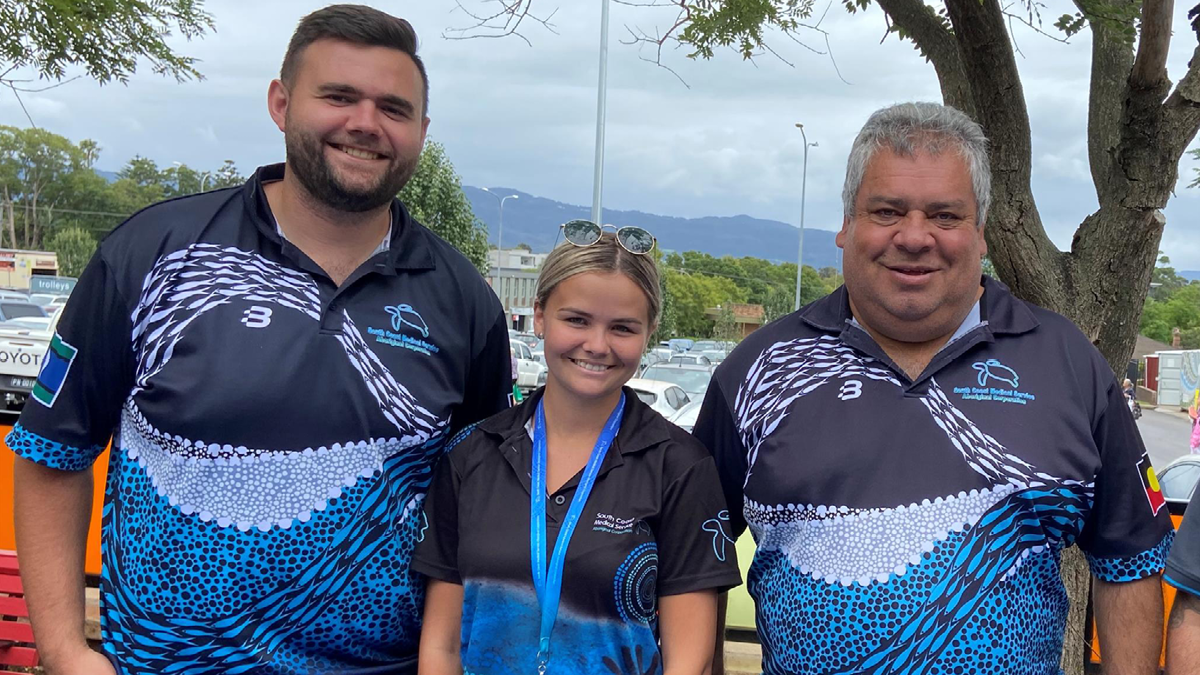
The Tackling Indigenous Smoking (TIS) Team at the South Coast Medical Service Aboriginal Corporation (SCMSAC) works to promote the harms and risks of smoking in 13 Aboriginal Communities from Gerroa on the South Coast to the Victorian boarder.
Darryll Farrell supports the dedicated team and oversees the comprehensive program that helps people to quit smoking and find good health.
The comprehensive program offers, face to face counselling, support groups, follow up contacts, CO readings, school educations sessions, brief interventions, walking and exercise groups, and free Nicotine Replacement Therapy (NRT).
Project Officer Thomas Berry travels every fortnight down the South Coast to run the Tackling Indigenous Smoking program, while Mikayla Henry services the Shoalhaven and supports the delivery of the program in the Far South Coast.
Some deadly Ambassadors promote the program as well – Shak Tungai and Dylan Farrell. Community Champions Uncle James Stewart (Uncle Bim) and Aunty Colleen Dixon are integral to the program also, supporting the program by spreading the messages in their communities and providing feedback about the needs of Community.
In the last twelve months we have expanded access to NRT through our 3 clinics – the Jane Ardler Centre, Wreck Bay and Jerrinja clinics. We work in partnership with local pharmacies to make it easy for our clients to access NRT.” Said Thomas Berry.
Community members attending clinics receive a voucher for two weeks’ supply of NRT. Clients redeem their vouchers at any of the partner pharmacies and start their quit journey. This process has created more of an influx of smokers wanting to quit because the support is easily accessible and there is no cost involved for the client.
“We have found that having the funding to provide NRT to Community Members on the spot has helped us close the gap. More Community Members are coming forward to start their quit journey due to the free NRT products that we have been funded to give them,” said Darryll Farrell.
The team closely monitors where NRT is being used and distributed to gauge the impact of the program and identify opportunities to support other community members. The team has also developed their own resources to give Communities a better understanding on how to use NRT, what it does and the harms and risks of smoking.
“Our resources feature local Aboriginal Community Members, children and local landscapes. We know people respond well and want to learn more when they know this information and program is locally created, especially for them.” Said Mikayla Henry
“We play a big role in local Communities. It’s not just about the program, it’s about creating strong relationships with Communities to deliver great health outcomes and help people on their quit journey,” said Darryll Farrell.
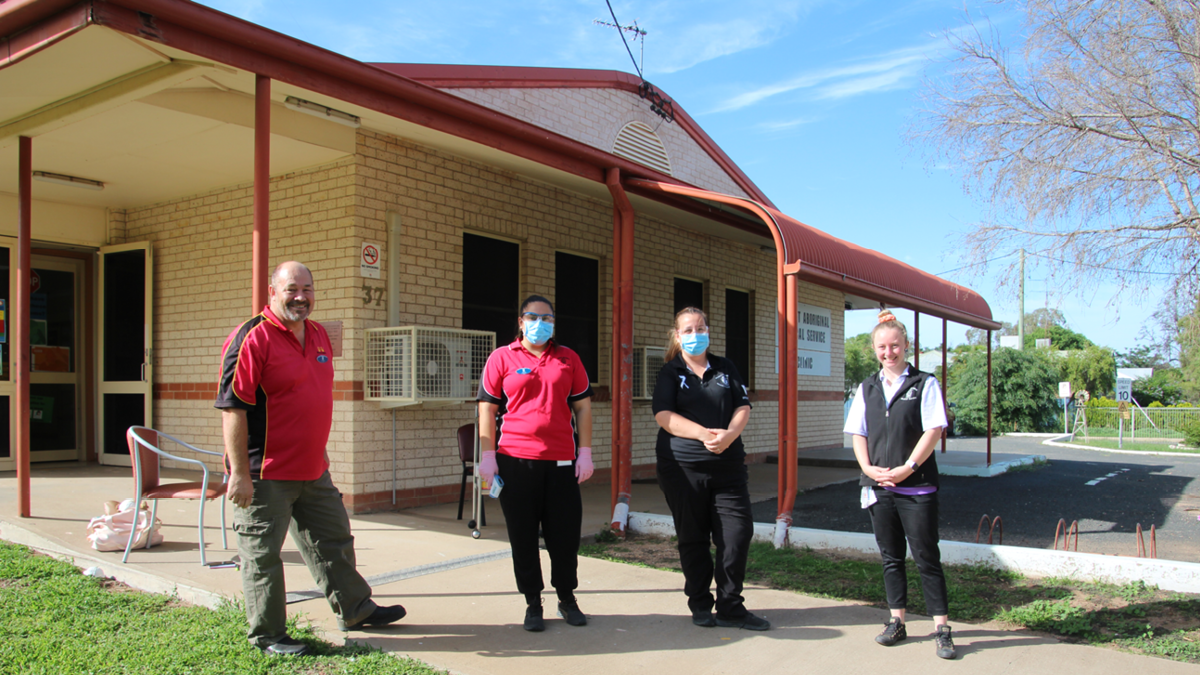
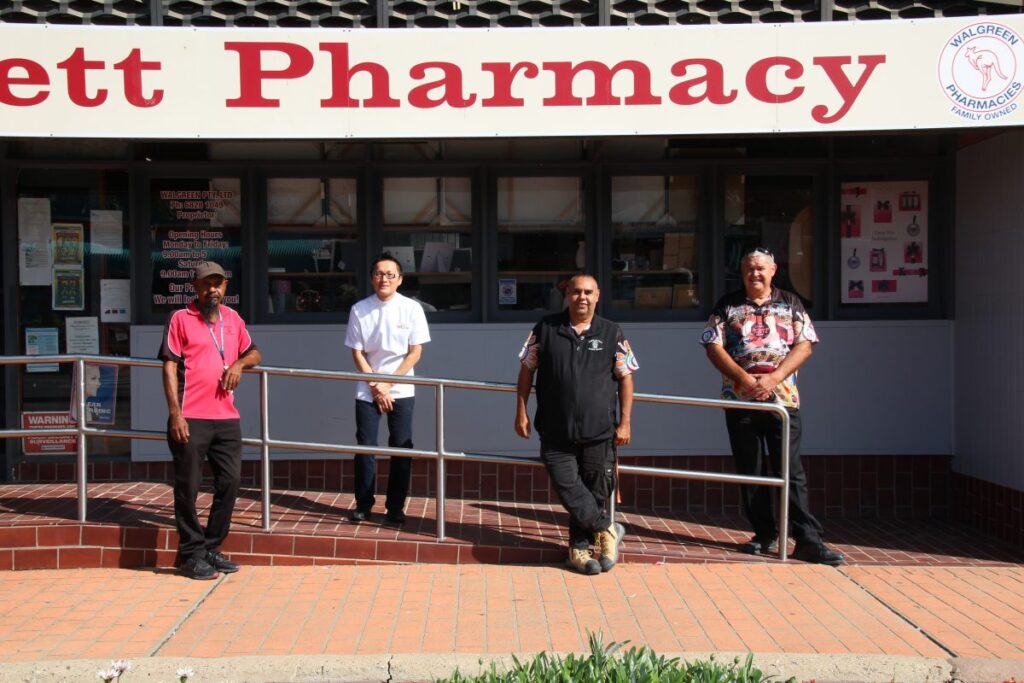
Staff at Walgett Aboriginal Medical Service (WAMS) are on the frontline, helping to protect the local Walgett community from COVID-19 since late January. They have been working very closely with other local agencies in the town to prevent the spread of the virus. This has not come at a cost to the local community or WAMS itself due to the closure of some chronic disease programs and dental services.
Mrs Christine Corby, CEO of WAMS, said “My staff have done a wonderful job under extremely difficult circumstances to ensure the community have access to quality health care. We have had to make a few adjustments to our daily operations. Staff have been allocated tasks that are not part of their general routine”.
“Staff have been doing regular welfare checks and delivering food and medicine to our most vulnerable clients. This is an activity that WAMS does not normally provide to the community, but we have had to modify our operation to best support community in a time of need” Mrs Corby said.
It is now the beginning of the cooler months and the flu season. WAMS are currently rolling out the 2020 flu vaccination and encourage those who are pregnant, 65 years above with a chronic disease and/or of Aboriginal descent aged 6 months or over, to have their annual flu vaccine. The flu vaccine does not prevent COVID-19 but does protect against influenza which claimed 430 lives and 217 000 hospitalisations last year. Mrs Corby strongly encourages everyone to make an appointment to get their flu vaccine this year.
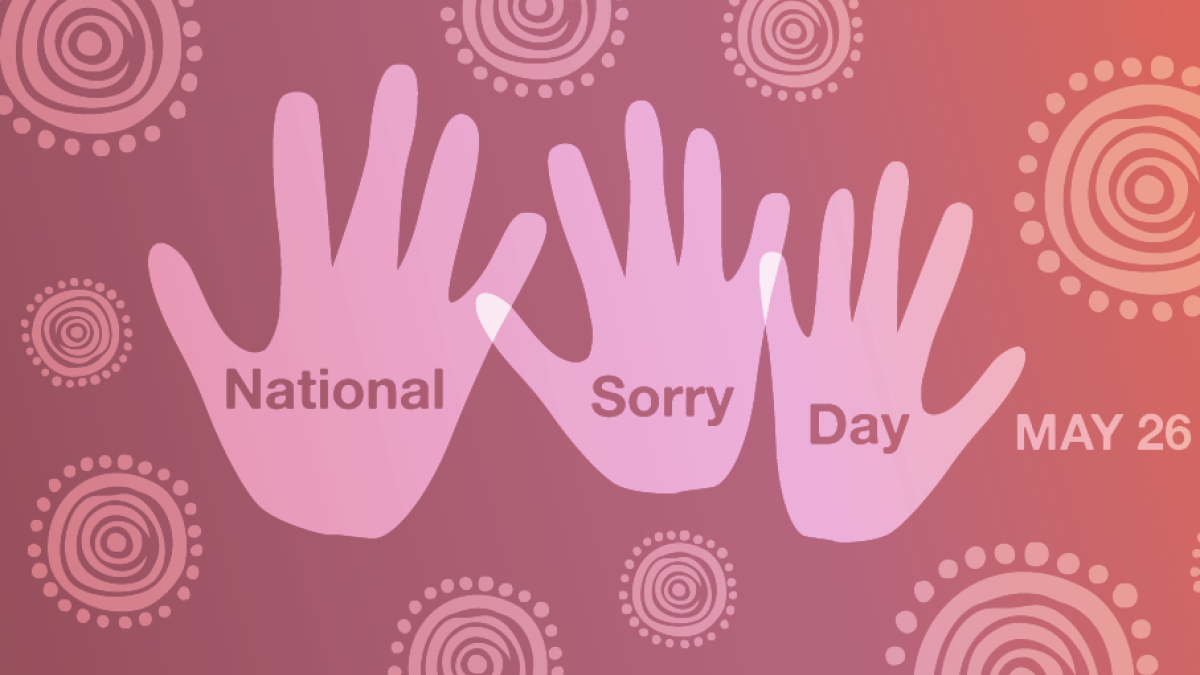
On National Sorry Day, May 26, we remember the Stolen Generations whose lives were devastated by past Government policies and practices to forcibly remove Indigenous children them from their families and Communities in the name of assimilation until 1969. This day acknowledges and signals deep regret at the impacts these past policies had and continue to have on the health and well-being of Aboriginal and Torres Strait Islanders Communities today.
This is also a day of healing. It gives Australians the chance to come together to share their remorse, compassion, and commitment towards healing for the Stolen Generations, their families, and Communities. We still have a lot to do – to address the impact, suffering and grief still felt by Indigenous people every day.
Australia’s former Prime Minister, Kevin Rudd’s National Apology made on February 13, 2008 to the Stolen Generations was a small step to acknowledge the trauma caused to Indigenous Australians for the Stolen Generation. It included a policy to close the gap between Indigenous and non-Indigenous Australians and is seen by many as a step forward in Reconciliation.
National Reconciliation Week (NRW) on May 27 – June 3 is a time for all Australians to learn about our shared histories, cultures, and achievements, and to explore how each of us can contribute to achieving reconciliation in Australia.
This year’s theme #inthistogether reinforces the individual role we each have within our organisation and Communities to bridge the gap and help continue to shape a better future for all Australians. To get involved in this year’s NRW events visit the nrw.reconciliation.org.au for more information, and be part of the journey towards a fairer and more just Australia.
Robert Skeen, CEO AH&MRC said: “By working together we can close the gap between Indigenous and non-Indigenous people. Every Australian deserves access to high-quality healthcare, education and equal opportunities to reach their full potential, regardless of their backgrounds or where they may live.”
If you need any support on National Sorry Day, you may like to get in touch with a Bringing them Home (BTH) Worker or Social Emotional and Well-being (SEWB) Worker at your local Health Service, a counselling service or talk with a trusted friend or family member.
Counselling and support services for Stolen Generations Survivors and Descendants:
Stolen Generations Council NSW/ACT, free call: 1800 263 881
BHP’s Vital Resources Fund will provide more than $3.3 million (AUD) in funding to Aboriginal and Torres Strait Islander controlled community health services across Australia, as part of new partnerships established to support communities through the COVID-19 pandemic.
The funding will support peak Aboriginal and Torres Strait Islander health councils and Aboriginal and Torres Strait Islander medical services to continue to support and deliver high quality and comprehensive primary health care services, distribute supplies and inform communities on how to minimise the spread of COVID-19 and keep their communities safe.
AH&MRC’s CEO Robert Skeen said: “This is not business as usual and we need to do more to support access to equitable healthcare for Aboriginal Communities. This funding will help Aboriginal Medical Services in NSW have the resources they need to operate and continue to work through these challenging times, as they deliver primary comprehensive health care to Communities.
We want to take this opportunity to thank BHP for establishing the Vital Resources Fund and new partnerships with Aboriginal Community Controlled Health Services. We appreciate their support, as we support our Member Services to respond to the impacts of COVID-19, and keep Aboriginal people safe, and healthy.”
BHP’s Acting President Operations Minerals Australia Edgar Basto said: “BHP is proud to support the vital work of the Indigenous-led health sector with funds to address the needs identified by Indigenous peoples. BHP is determined to play our part in the collective response to COVID-19, and a critical area is how we support our regional and remote Aboriginal communities at this challenging time.”
The $50 million Vital Resources Fund was established last month to support regional health services and providers, community organisations, Aboriginal communities and local businesses deal with the impacts of COVID-19.
For further details please contact AH&MRC by phone on 02 9212 4777 or email on ahmrc@ahmrc.org.au.
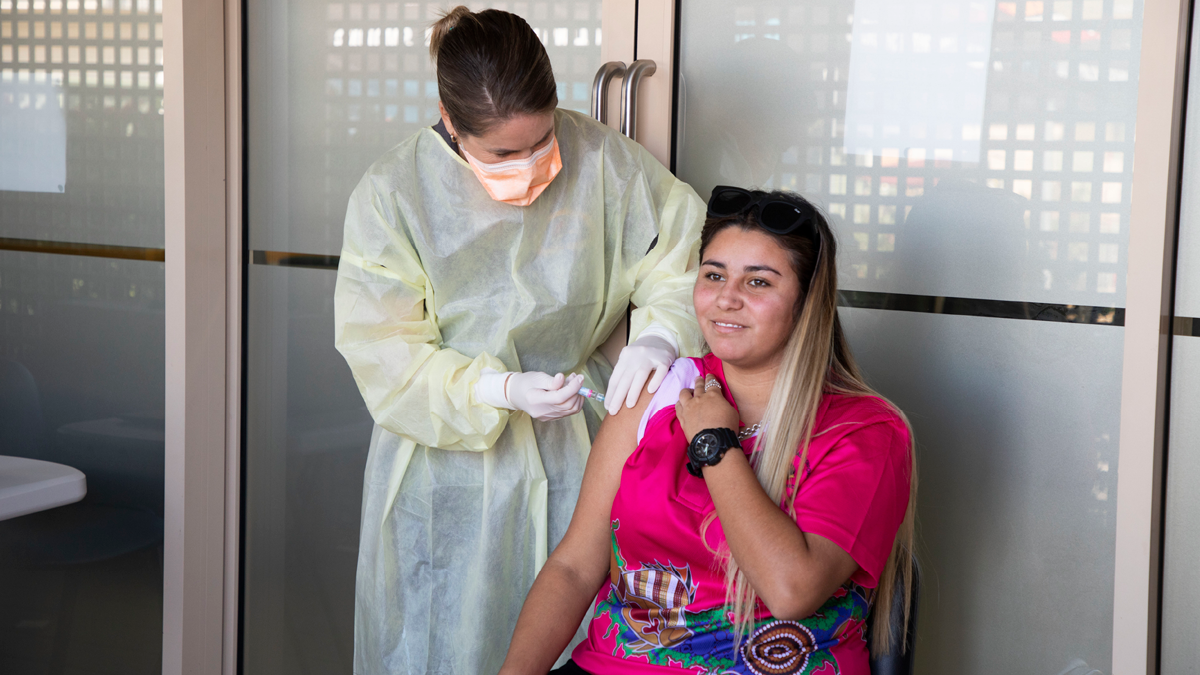
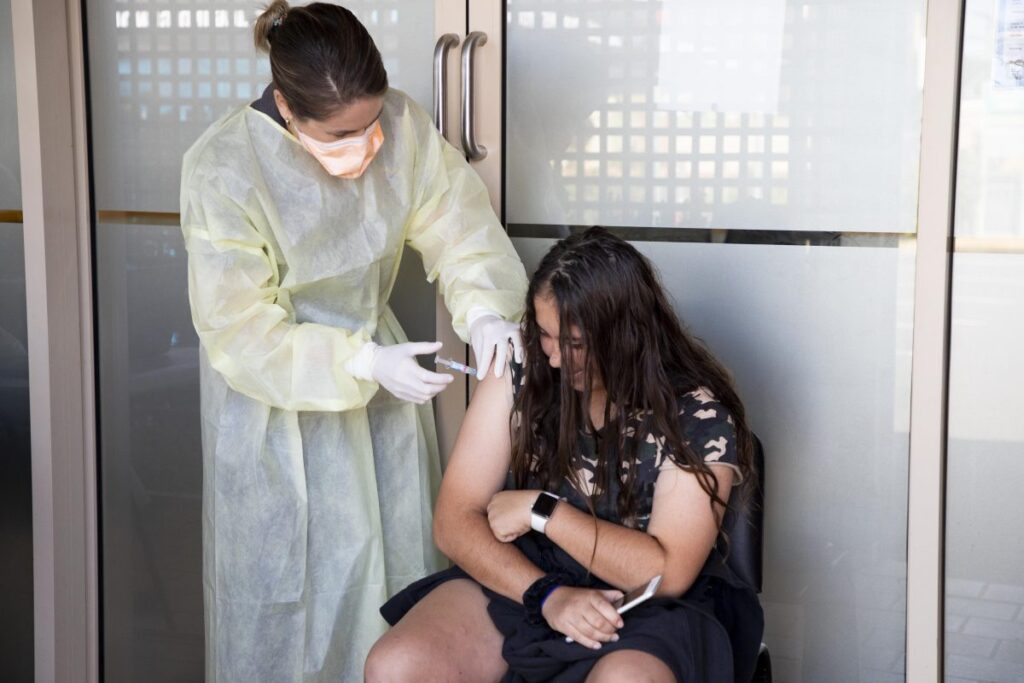
Within a few weeks of receiving supplies of the annual flu vaccination, the Wellington Aboriginal Corporation Health Service (WACHS) provided over 700 vaccines to the local community.
Clinic doctors and staff worked above and beyond to administer the 700+ vaccines. The clinic opened on Good Friday to assist people working to find time outside the regular clinic hours to get their flu shot.
“It’s great to see, from the high community uptake, that the message is getting through about how important it is to get your flu shot every year. It is surprising how many people are getting the flu vaccine for the first time. We are proud the community is doing the right thing to stay strong and protect our Elders and those with chronic health problems this flu season,” said Jay Forrester, Team Leader – Healthy 4 Life.
While there is no vaccine for COVID-19, getting the flu shot is more important than ever. It is anticipated there will be a high demand for flu vaccinations this year. This will help everyone in the community stay healthy and strong over Winter.
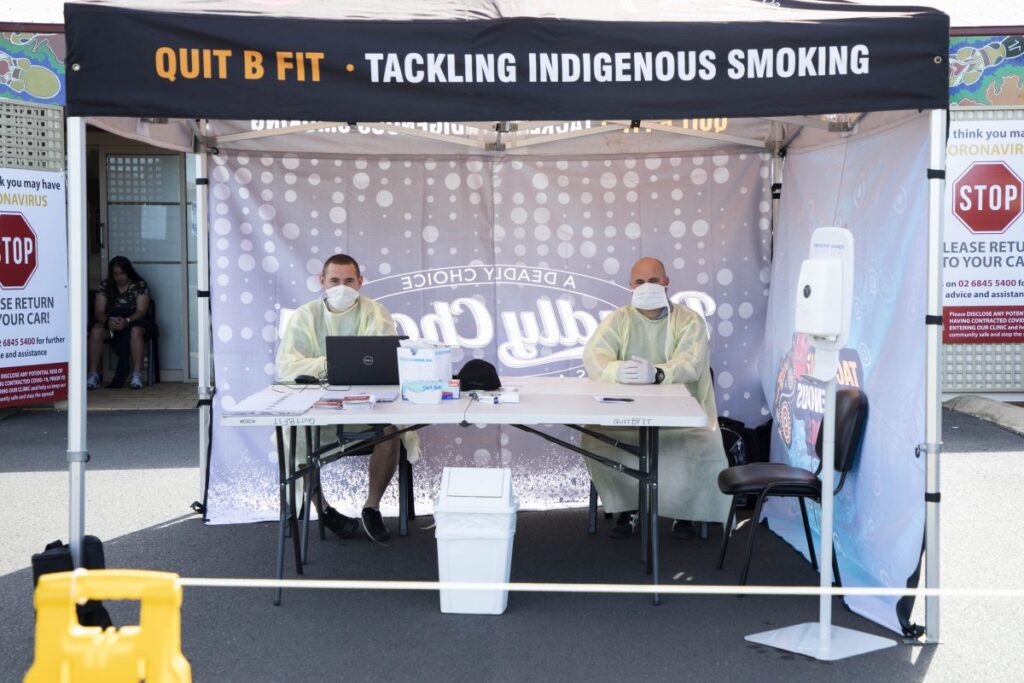
Delivering flu vaccination clinics during the COVID-19 pandemic is more complicated than usual. Clinic staff managed new clinic space in the Carpark to adhere to social distancing rules and reduce numbers into the clinic, personal protective equipment, even liaising with local police to ensure people driving to get vaccinated would not be fined.
Due to the COVID-19 pandemic the Wellington Clinic has also adjusted their services to provide telehealth appointments for patients. This helps reduce the risk of spreading COVID-19.
“We really appreciate the whole community being so understanding about this transition to telehealth. We know people, especially our Elders, are used to face-to-face health care. Our doors are still open, we just ask you to call ahead first. We are still getting patients to come in for medical checks and vaccinations. It’s a team effort to check which is the safest way to deliver the best care for each patient every day,” said Jay.
For more information please contact Jodie Evans via phone 0429 169 419 or email Jodiee@wachs
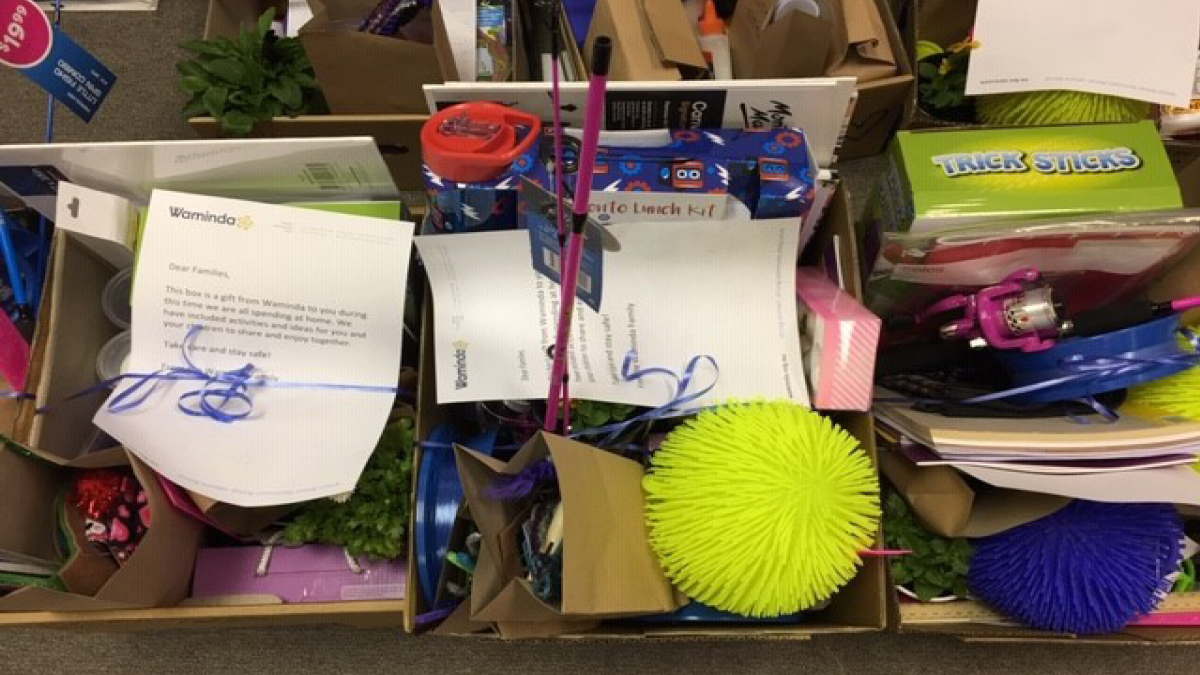
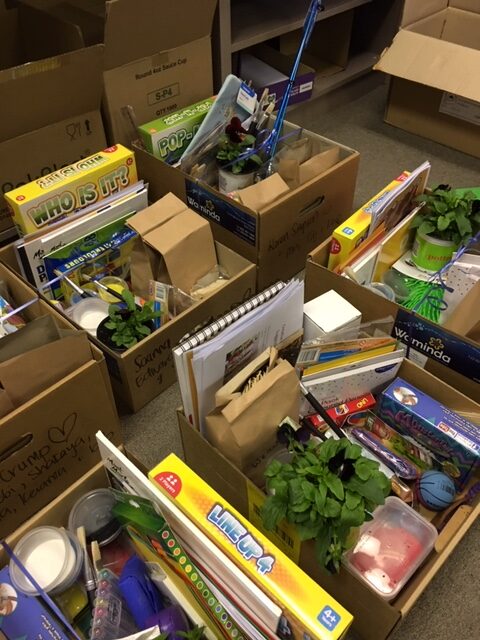
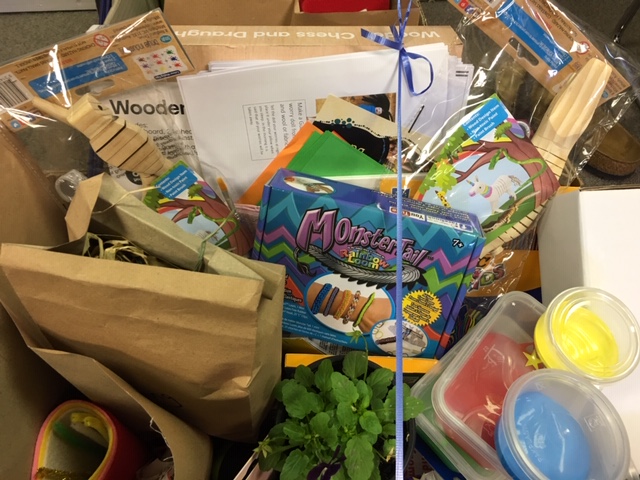
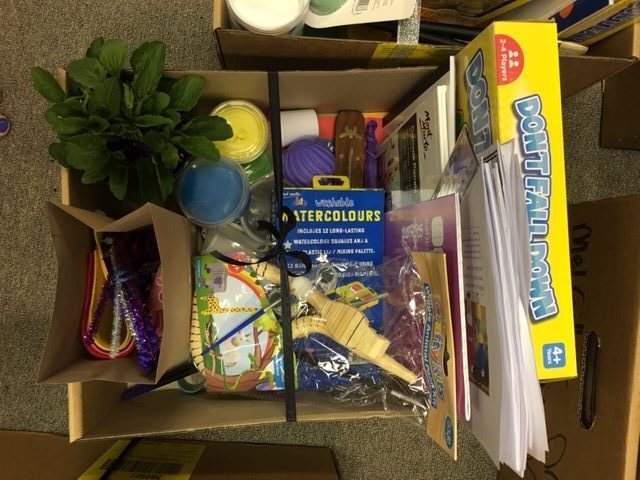
The Social and Emotional Wellbeing (SEWB) packs have been created through collaborative discussion with women at Waminda in response to the Covid-19 pandemic.
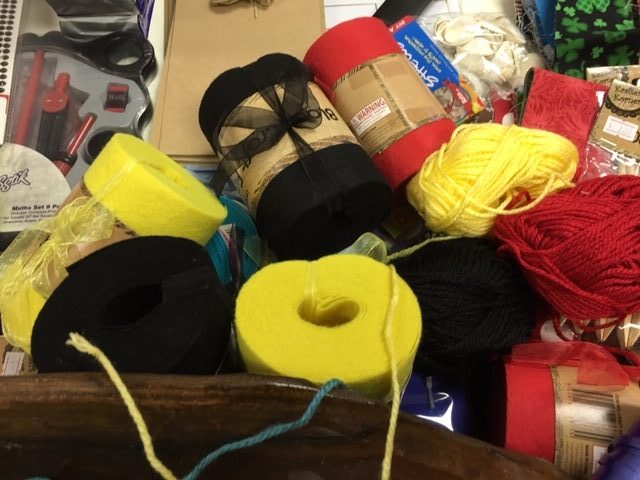
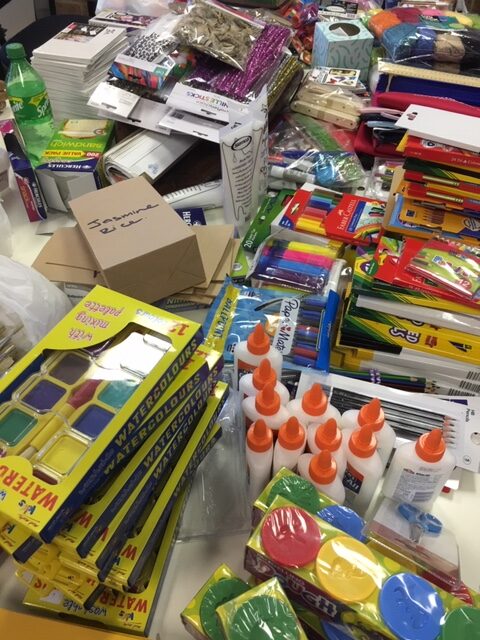
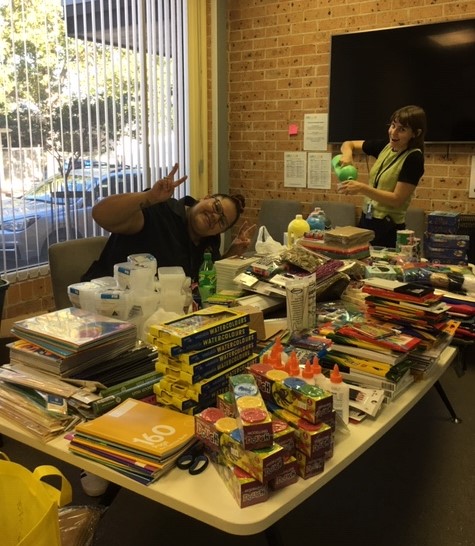
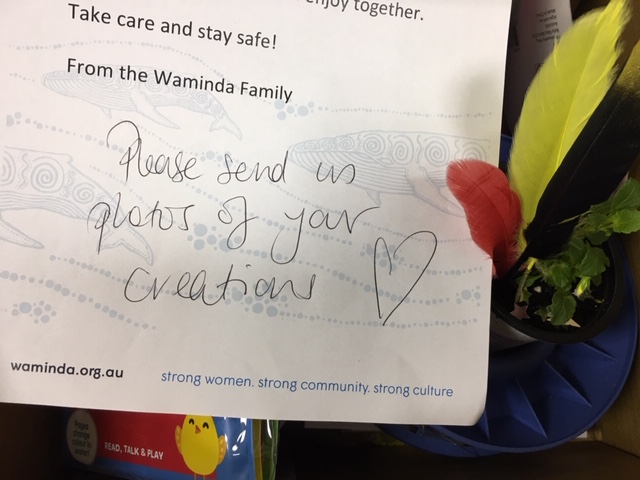
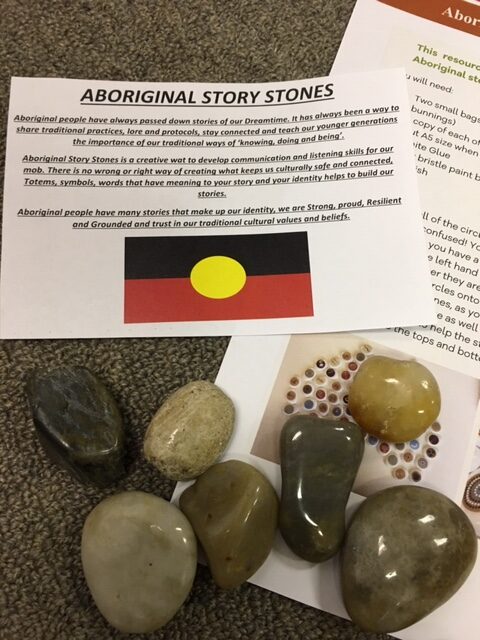
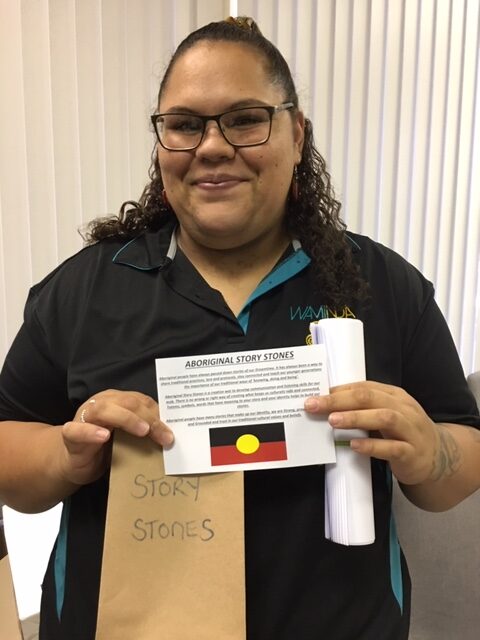
Our beautiful packs are boxes of items and activities that help people feel better in uncertain times. They are as tailored as they can be to each family and person in Community. They contain a range of arts and craft activities, bunting kits, baby packs, children’s books, school supplies, Aboriginal story stones, Weaving kits, Aboriginal flag making kits, fishing gear, journals and diaries, painting canvases and books, plants and seeds, puzzles, mindfulness activities, kids craft kits, colouring books and SEWB resource information.
We are very proud of how well they have come together. And how the packs are a little symbol of how we are thinking about, and here for Community at this time.
Why did we collaboratively create them?
Aboriginal people have a long history of resilience and resistance, and we wanted to support Community as much as we could to provide culturally safe and supportive SEWB support, therapeutic activities and information to help keep Community feeling well, strong and connected.
Isolation and fear in community, as well as disconnection from family, Country and Culture for some, has been challenging for some families.
We wanted to create some culturally safe fun and creative ideas that help families connect to each other, feel stronger, cared about and bring a sense of belonging and joy to peoples’ days.
We wanted community to know that Waminda is here to support them in every way we can.
How do the contents of the packs help Community through tough times?
Waminda wanted to support parents keep kids feeling engaged, having fun, help them express their feelings and telling stories through art.
We also wanted to provide some nurturing activities for older children and adults such as weaving and Story Stones, to help adults feel cared for, more connected to self and Culture as much as we could, so they feel strong in themselves as parents and Elders.
The art activities help people tell their stories, share experiences, and express themselves artistically. Art as Healing is an important part of our therapeutic work at Waminda. We want women and their families to feel supported, to feel hopeful, and to create memories with their families at home. Art can be a collective experience that allows us to feel connected to self, and to the whole.
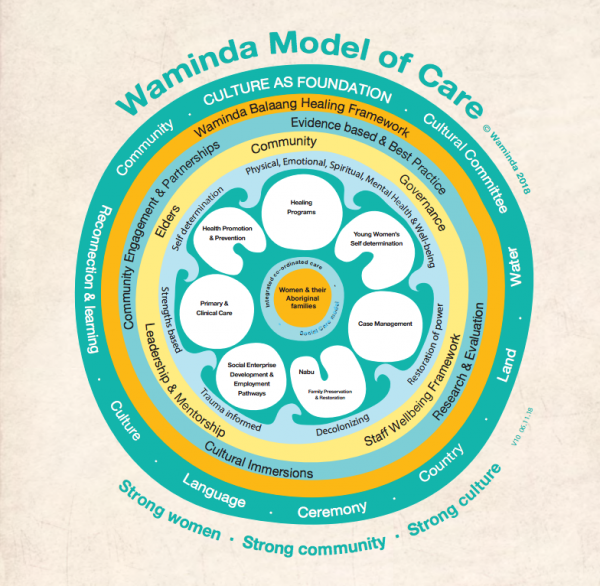
How does this activity keep in alignment with the Waminda Model of Care and Balaang healing framework?
Being an Aboriginal Community Controlled Health Service our first priority is always to our families in communities. During times such as these it’s our responsibility to ensure that our communities still access services, as this is when the community need can be greater in different ways to usual business. Waminda’s MOC and Balaang Healing Framework delivers a holistic wrap-around service, so when we create the SEWB packs along with food packs for our client’s we are continuing to service our community. By being operational in different ways we keep connection with community and give support, in return our families feel less isolated which is beneficial to their SEWB.
What has been the response?
Families have been very excited and grateful
There have been lots of creativity and art items produced
Parents have sent photos of their kids having fun doing art together
People feel cared about and thought of
Waminda encourages feedback via workers, social media or word of mouth so we all feel connected and interested in what other people are doing and how they are all going through this strange time. We look forward to sharing the art activities with others on our social media platforms, enhancing connectivity and belonging.
Any other benefits to staff and the service in doing this?
We have had staff from a range of Waminda SEWB teams supporting this project, contributing ideas and helping keep it aligned with our Balaang Healing Framework, so it has been a special experience for us all.
Staff feel a great sense of wellbeing in spending time together, yarning and creating beautiful packs.
Everyone who wants to contribute has input, so it’s a truly collaborative process
Greater sense of connection we have with each other whilst doing something supportive for Community
Staff getting the opportunity to safely spend a little time with other staff in a time that is socially isolating for everyone
We get to see the look of joy on people’s faces when they get the packs, and it is heartwarming for us all
Looking after Community. Most staff ARE Community.
About Waminda
Waminda is an Aboriginal organisation lead by women that’s been established for 36 years, providing culturally safe holistic and wellbeing services to the women and their Aboriginal families in the Shoalhaven communities on the South Coast of NSW.
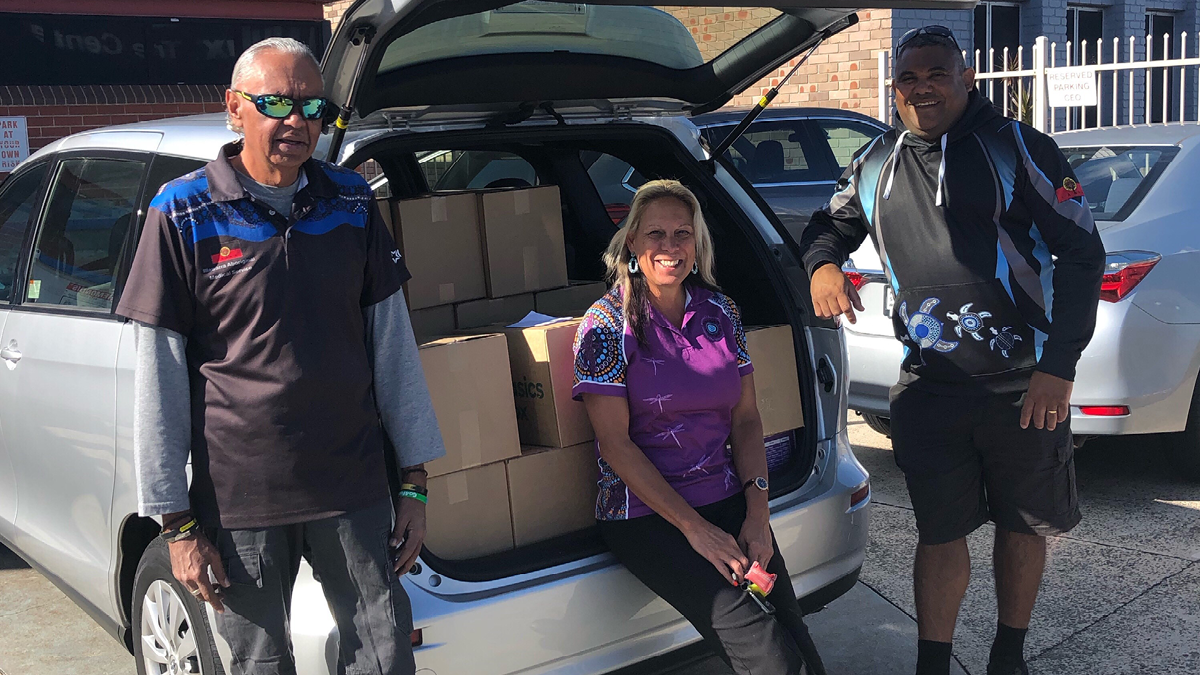
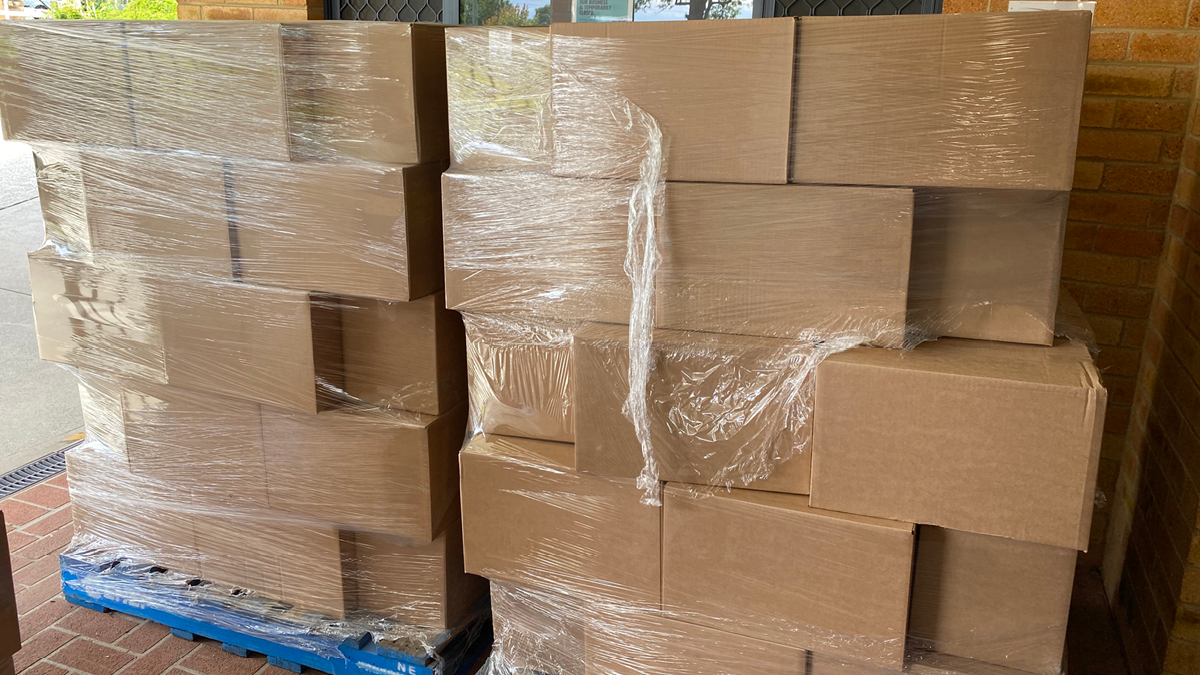
In response to the COVID-19 pandemic, access to basic food items has been identified as a high need in Aboriginal communities across NSW. The Centre for Aboriginal Health (CAH), in collaboration with the Aboriginal Health and Medical Research Council of NSW (AH&MRC), have worked together to ensure food security for communities. Through this partnership over 23 organisations and many individual community members across the State have received Woolworths Basics Boxes.
“It has been a great pleasure to work with Mel from the AH&MRC on this initiative. The current situation has presented immense challenges for AH&MRC member organisations in ensuring continuity of support to vulnerable community members. These local Aboriginal organisations have gone above and beyond to support their Elders and those in need.”
– Eloise Johnstone, Partnerships and Strategy Team, CAH
AH&MRC would like to thank our members for their coordinated efforts in identifying those in need and distributing the Woolworths Basic Boxes. For ACCHSs who require ongoing support, CAH encourages them to engage with their local Emergency Relief Services. CAH are able to link ACCHSs in with their respective ERSs. Please email Mel Sutton who will help facilitate this.
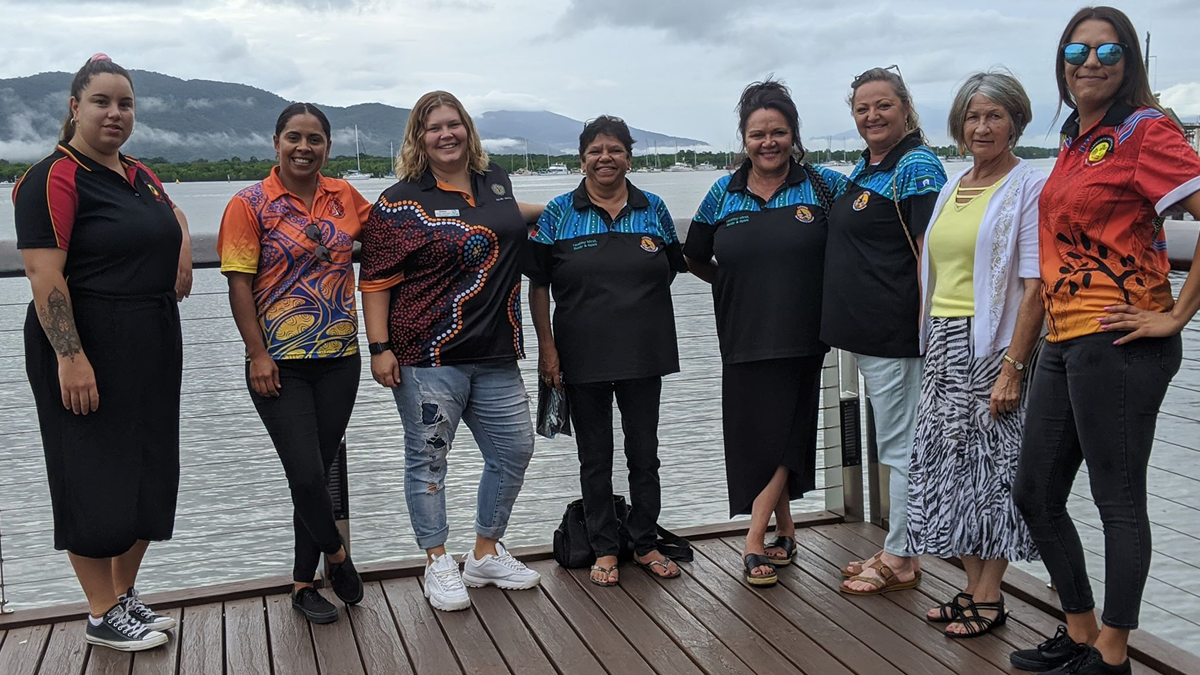
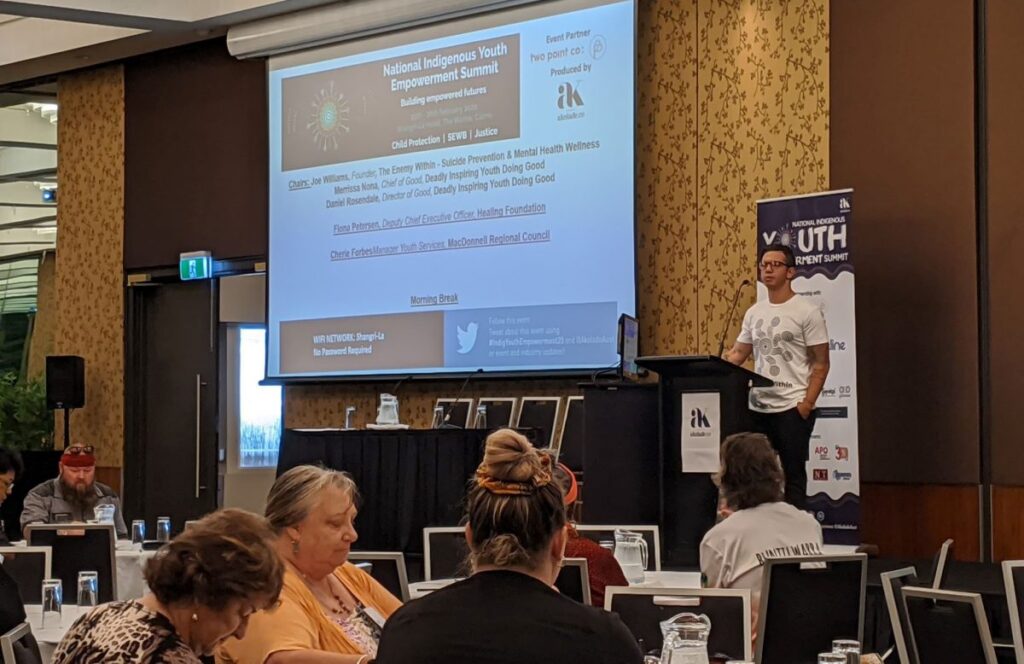
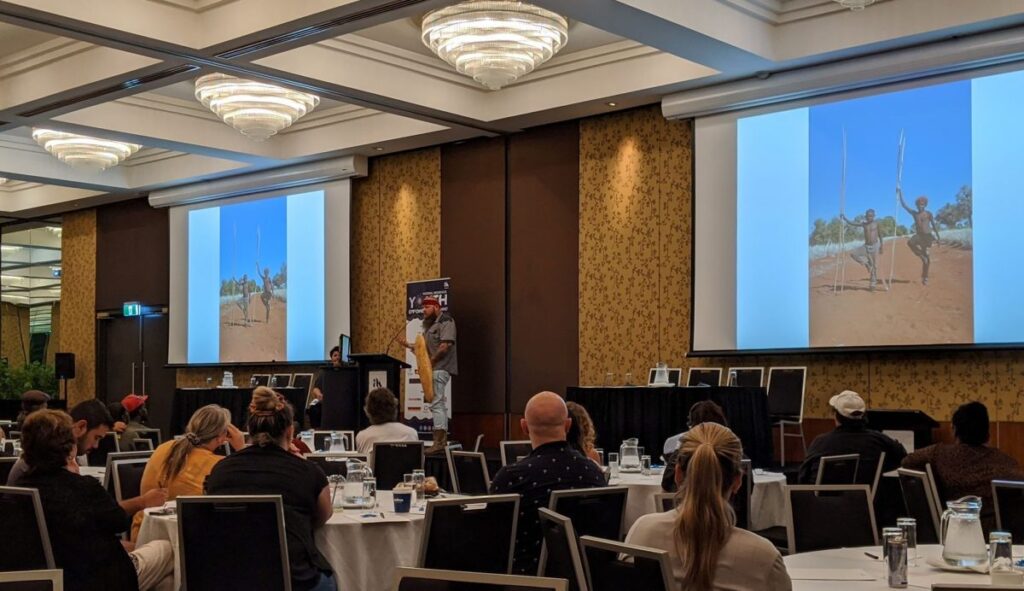
From Tuesday the 25th of February to Friday the 28th of February the AH&MRC attended and supported staff members from Aboriginal Community Controlled Medical Services to attend, the National Indigenous Youth Empowerment Summit in Cairns.
The National Indigenous Youth Empowerment Summit brought together workers from various sectors to share successes, create partnerships, improve service delivery to young people and most importantly give Aboriginal and Torres Strait Islander young people a voice to ensure the health system is supporting them to live a healthy and happy life.
The four-day Summit was filled with presentations from industry leaders and truly inspirational individuals who are not only changing the sector but also setting the example for the next generation. Most importantly, it was an opportunity for young people to feel empowered, by telling their stories and having their truths heard.
The Summit was a collaboration of knowledge sharing and discussions focusing on 3 key topics: child protection, social and emotional wellbeing and youth justice, with the aim to improve services outcomes for Aboriginal and Torres Strait Islander children and families.
The Summit highlighted that young people are experts on their own health. The future of Australia depends on the country’s ability to foster the health and wellbeing of the current generation of young people, especially Aboriginal and Torres Strait Islander young people, because of the increasing health and wellbeing challenges that they face.
A special thank you to our member, Katungul Aboriginal Community and Medical Services Corp. and Rekindling the Spirit for providing a New South Wales perspective on the discussion topics.
AH&MRC look forward to attending and supporting NSW Aboriginal Community Controlled Health Services to be involved in future events aimed at improving health outcomes for Aboriginal and Torres Strait Islander young people.