




Our People to Live Stronger & Longer

Winter Respiratory Illness: RATs and Antiviral Supply for NSW ACCHOs

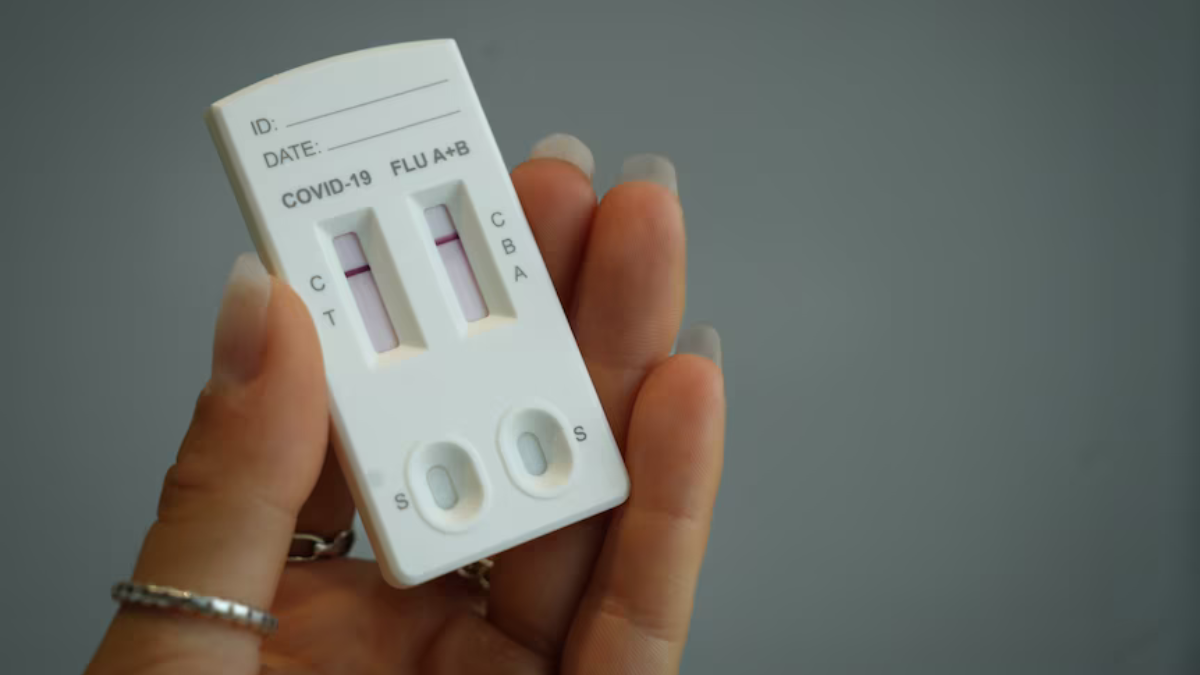
The AH&MRC are still able to provide Covid/Flu Rapid Antigen Tests to member services. If your service is interested, please complete this Request Form

We understand that there has been some delay with dispatching from our supplier and we do apologise. However, we’ve been advised that any outstanding orders will be dispatched this week. 

We hope these RATs have been useful in the management of your patients with respiratory symptoms by providing early identification of COVID-19 and FLU.

NSW Health have advised us of the significant increase in orders for Oseltamivir (Tamiflu) through the State Vaccine Centre for our ACCHOs which protects patients with the flu from suffering more severe disease.  

We know this winter has been tough, with a significant burden of respiratory illnesses and acknowledge the ongoing work by services to respond to these challenges to support the health of the community  

Hopefully the warmer months aren’t too far away. In the meantime, keep up the good work and if you need any advice or support don’t hesitate to contact us at publichealth@ahmrc.org,au 

New Chronic Wounds Consumables Scheme (CWCS)

The new Chronic Wounds Consumables Scheme (CWCS) can support ACCHOs in continuing to care for people with diabetes who have a chronic wound and are: 

  • A First Nations person aged 50 years or over, or 
  • Any person aged 65 years or over. 

Most ACCHOs are already providing wound care to these patients and covering the cost of dressings. Under this new scheme, eligible patients will be able to receive dressings at no cost, helping to reduce the financial burden on services and support ongoing care.  

NB: Patients are not eligible if they receive wound care through any of the following:  

  • NDIS; Department of Veterans’ Affairs; Residential aged care homes; Home Care Packages; Public/community wound clinics; Hospitals (post-op or outpatient care) 

Health Professional Eligibility  

To register and use the CWCS portal, health professionals must: 

1. Be one of the following: 

  • Aboriginal and Torres Strait Islander Health Practitioner 
  • Medical Practitioner in primary care setting  
  • Registered Nurse or Nurse Practitioner 
  • Podiatrist 

2. Complete Best Practice Chronic Wound Care training
3. Have:
 

  • An individual Provider Digital Access (PRODA) account 
  • Access to Health Professional Online Services (HPOS) 
  • Linked HPOS to PRODA 
  • A valid provider code 

Health professionals who work in a remote area and who do not have internet access can access the scheme via a dedicated CWCS phone line.  

Medicare items can also be claimed for wound care as summarised in this table:  

For further information and resources: 

Go to Chronic Wound Consumables Scheme (CWCS) – eLearning – Health Professional Education Resources – for more information, including steps on how to access the CWCS portal. 

Go to Health Professional Education Resources – if you need help to create a PRODA account or need assistance in using PRODA and HPOS. 

Please reach out to the compliance team cqi@ahmrc.org.au if you need any assistance accessing or using PRODA or HPOS 

Focus on Diabetes in July

National Diabetes Week (13–19 July 2025) focused on the theme ‘Prevention at every stage’, shining a light on the importance of early action and access to the right support across all stages of life. 

Diabetes remains Australia’s fastest-growing chronic condition & Aboriginal and Torres Strait Islander people face significantly higher rates of type 2 diabetes, gestational diabetes & related complications. 

ACCHOs are doing significant work to address these challenges and National Diabetes week reinforces their critical role in community-led prevention, culturally safe care, and health education.

Supporting Aboriginal Health Professionals and Community Health Workers 

NDSS Enhancements 

  • Aboriginal Health Practitioners can now certify NDSS registration forms
    This supports improved access to diabetes support services through culturally safe care.
    Register here: NDSS Registration Info 
  • Training and Education:
    New NDSS Training to build skills and strengthen knowledge and practice in diabetes care for health professionals working with Aboriginal and Torres Strait Islander communities.
    Register here: NDSS E-learning
  • Free Diabetes Education Workshops – Western NSW
    Collaborative workshop between Care Partnership Diabetes, AH&MRC and University of Technology Sydney, this workshop is designed to support health workers in regional and remote settings:
    Dubbo – 12 August 2025
    Dubbo RegistrationBroken Hill – 14 August 2025
    Broken Hill Registration 

Improving Access for Aboriginal and Torres Strait Islander Patients 

Chronic Wounds Consumables Scheme (CWCS) 

  • Aboriginal and Torres Strait Islander people aged 50 and over can now access subsidised, high-quality wound care products. This scheme aims to improve healing and reduce complications for people managing chronic wounds in community settings.See our full article in this issue for more information.

 Other National Initiatives in Diabetes Care 

MyMedicare & Care Planning Reforms 

  • New Chronic Condition Management Plan (replacing GPMP/TCA) from 1 July 2025
  • Up to 8 group services per year (e.g. diabetes education, dietetics, exercise physiology)

Technology Access for people with Type 1 diabetes 

  • CGM Subsidies – FreeStyle Libre 2 Plus available from 1 April 2025 
  • Insulin Pumps – Available to all people with type 1 diabetes from 1 July 2025 

Gestational Diabetes – New Guidelines for Mothers and Clinicians

The Australasian Diabetes in Pregnancy Society (ADIPS) has released their latest consensus recommendations for the screening, diagnosis and classification of gestational diabetes (GDM), the changes aim to focus care where it is needed the most.

Under the new guidelines, GDM is diagnosed if any one of the following criteria is met during a glucose tolerance test: 

  • Fasting plasma glucose (FPG):≥5.3–6.9 mmol/L
  • 1-hour plasma glucose (1hPG): ≥10.6 mmol/L
  • 2-hour plasma glucose (2hPG): ≥9.0–11.0 mmol/L

All women (without diabetes already detected in the current pregnancy) should be advised to undergo a 75 g two‐hour POGTT at 24–28 weeks’ gestation.

The updated diagnostic criteria aim to better focus care on women and babies at higher risk of complications, while minimising unnecessary interventions for those at lower risk. These changes are also intended to ease the burden on healthcare providers and services. 

Implementation will take place over the coming months. ACCHO midwives, AHPs, and GPs are encouraged to review the changes, so they can provide the latest advice to pregnant women in their care.

FAQs:

NSW Aboriginal Led Precision Medicine

AH&MRC alongside ALIGN have been working hard with the P4P Aboriginal Led Precision Medicine pre community engagements. So far, we have been invited to communities such as: Maari Ma Health Aboriginal Corporation (Broken Hill), Tamworth Aboriginal Medical Service, Armajun Health Service Aboriginal Corporation (Inverell) and Pius X Aboriginal Corporation (Moree) to present on genomics.

We have had great turn outs of each site that we have visited, and we also have multiple visits coming up such as the Many Rivers region, Grafton and the Northern coast. Also on the agenda are visits to the South coast region to meet with Waminda Aboriginal Medical Service and Illawarra Aboriginal Medical Service. We will then move onto the western region of NSW to meet with communities in Dubbo, Orange and other surrounding areas.

Stay tuned and keep an eye on your emails as we will be visiting your community soon.

CQI Awards Night Winners

On Wednesday 4th June, the AH&MRC Compliance team hosted the annual CQI Awards Night at the Pullman Hotel Hyde Park in Sydney.

Our Member Services dressed to impress and enjoyed a gala dinner filled with connection, celebration, and community pride. The night honoured the incredible work being done across the sector, with awards recognising innovation, commitment to continuous improvement, and excellence in service delivery.

It was a powerful reminder of the impact that culturally safe, community-led care continues to have across NSW.

Congratulations to all our finalists and winners — and thank you to everyone who made the evening so special.

Emerging Talent Award

Kalinda Wills
Tashia Hunuki

Waminda – South Coast Women’s Health & Welfare Aboriginal Corporation

AHP Kalinda Wills and RN Sia Hanuki have taken over the reins managing Waminda’s clinical services. Since taking on this role, Kalinda and Sia have navigated working together across 2 different sites and 3 different outreach sites. They have reviewed clinical processes and worked with the clinical team and GPs to identify systems that aren’t working efficiently and trialing changes to the systems. They have been proactive and collaborative with other health professionals such as allied health workers and continue to promote clear and honest communication within their own team so that feedback is considered in evaluating changes to systems.

Neither Sia nor Kalinda have held such responsible roles before and their maturity in tackling issues head on is impressive and their dedication to providing their clients with the highest quality health service is heartwarming. They have both taken this challenge with such a willingness to learn and change and have brought the whole of their team along with them on their quality improvement journey.


Staff Member of the Year Award

Michelle Gordon

Awabakal Newcastle Aboriginal Co-Operative Ltd

Awabakal’s  CQI&G Manager Michelle Gordon is recognized tonight for her exceptional commitment to culturally sensitive and effective continuous quality improvement within their AMS. Her innovative strategies, focus on equity, and collaborative approach have significantly enhanced service delivery, empowering both staff and community members.

Through mentorship and leadership, she fosters a culture of continuous improvement, ensuring that the Organisation’s work is both impactful and meaningful. Her efforts have led to measurable improvements in care and outcomes, making a lasting, positive difference in the community they serve.


Digital Innovation Award

Galambila Aboriginal Health Service Incorporated

Galambila is commended tonight for maintaining an efficient and consistently up-to-date Service online website. It’s clear that a great deal of care and attention goes into ensuring that the website runs smoothly.

The main staff member responsible for maintenance of their website is Sue Tomkins.

She has been responsible for always keeping the online website current with easy access to information and programs for staff and community members. She is very well driven and always incorporates and acknowledges the local artist with any digital work she does.


Quality Team of the Year Award

Quality Compliance and Reporting (QCR) Team

South Coast Medical Service Aboriginal Corporation

The QCR Team has redefined South Coast AMS’s approach to continuous quality improvement. By actively listening to staff feedback and implementing innovative digital systems, they have streamlined processes, bridged critical gaps, and instilled a proactive culture of quality, compliance, and risk management. Their dedication to excellence has set a new benchmark, making a lasting impact across the Organisation. The team doesn’t just meet standards, they set them, and that’s why the QCR Team has been chosen for this well-deserved recognition.

“South Coast AMS is at the leading edge of digital technology and information management. Their systems are driven by a genuine commitment to continuous quality improvement, with robust governance ensuring effective decision-making and risk mitigation.” – Tewana Auditor Feedback

The South Coast AMS QCR Team exemplifies excellence in quality, compliance, and innovation. Their strategic approach to CQI, risk management, and service monitoring has led to measurable improvements in service delivery, stakeholder engagement, and community trust. Their dedication to creating a seamless, transparent, and data-driven quality management system makes them a truly deserving recipient of the Quality Team of the Year Award.

Quality Organisation of the Year Award

Tamworth Aboriginal Medical Service – Aboriginal Corporation

Throughout the years, TAMS-AC’s tireless work, exceptional leadership and innovative initiatives have had a transformative and lasting impact in their region, improving Aboriginal health and fostering a strong, united community.

TAMS-AC leads with a heartfelt connection to the “mob” and the wider community, ensuring that all programs and initiatives reflect a deep commitment to their well-being.

The Organisation is widely recognised as a champion for Aboriginal health and advocacy, leaving an enduring legacy through its tireless efforts and community-first approach.

TAMS-AC is a shining example of excellence and quality in organisation and service. It’s remarkable dedication to Aboriginal health, its passion for supporting the community, and its exceptional leadership have transformed lives and established TAMS-AC as an invaluable asset to the region.

Hence, TAMS-AC is highly deserving of the Quality Organisation of the Year Award as their staff will continue to drive progress and excellence in the years to come.

Lead the Way: Promote Cervical Screening in Your ACCHO

Cervical cancer is one of the most preventable cancers—and ACCHOs play a vital role in helping community members stay safe and informed. 

The cervical screening test, whether clinician-collected or self-collected, checks for human papillomavirus (HPV)—the virus that causes almost all cervical cancers. Both methods are equally accurate, and now, clients have the power to choose the option that feels right for them.

Who Should Screen? 

Cervical screening is recommended every 5 years for women and people with a cervix aged 25 to 75 who are or have been sexually active. This simple test can reduce cervical cancer rates and deaths by up to 30%.

Why It Matters for ACCHOs 

As trusted providers of culturally safe care, ACCHOs are key to increasing screening uptake by: 

  • Normalising conversations about cervical screening 
  • Offering both collection options in a safe and respectful way 
  • Supporting clients to make informed choices about their health 

Resources and Training for Your Team 

The National Cervical Screening Program has developed a Summary Guide for Healthcare Providers, which outlines the program and recent updates to screening guidelines. This is a great resource to support your clinical teams in delivering best-practice care. 

AH&MRC are working with Cancer Institute NSW to develop training for Aboriginal Health Practitioners to support clients through the cervical screening process from collection to receiving results – keep a lookout for updates on when this training will be available.  

Current online training from the Australian Centre for the Prevention of Cervical Cancer is available for any Healthcare Practitioners. It aims to equip learners with the knowledge and skills to be able to offer the option of HPV self-collection to eligible patients and is available through this link.

Have Your Say – Help Evaluate the ‘Own It’ Campaign 

Since its launch in September 2024, the Own It campaign has aimed to raise awareness and increase screening participation across Aboriginal and Torres Strait Islander communities. Now, NACCHO wants to hear from you. 

If any of your staff are interested in sharing their experiences or insights, they’re invited to take part in a 1-hour interview to help evaluate the campaign’s impact.

Contact bbvsti@naccho.org.au to have your say.

Need support or resources? Contact us at publichealth@ahmrc.org.au.

Together, we can help our communities own their health—on their terms.

The HPV Vaccine: How One Shot Guards Against Warts and Cancer

Human Papilloma Virus (HPV) is an extremely common virus spread through sexual contact. Nearly all sexually active people will encounter HPV at some time. Not only is HPV responsible for most cases of genital warts and cervical cancer but other cancers including anal, vaginal and penile cancers. 

Primary prevention for HPV includes vaccination with 9vHPV (Gardasil) that protects against nine HPV types:

  • Types 16 and 18: cause most HPV-related cancers. 
  • Types 31, 33, 45, 52 and 58: five next most common HPV types associated with cervical cancer  
  • Types 6 and 11: non-cancer-causing HPV which cause 90% of genital warts. 

 As part of the National Immunisation program, 9vHPV is funded for all 9-25 year olds. 

HPV vaccinations are given through the Secondary School Immunisation program for 12-13 year olds as a single vaccine, however it can be given in an ACCHO if a child has missed this vaccination through the school.   

The NCIRS recent interim report for vaccination coverage in 2024 showed the continued decline in HPV vaccination coverage for Aboriginal and Torres Strait Islander adolescents. 3 out of 10 Aboriginal and Torres Strait Islander adolescents had not received an HPV vaccine dose by 15 years of age. 

  • To ensure all adolescents receive the vaccine d to reduce their risk of HPV-related cancers and genital warts we encourage services t Always check immunisation status through the Australian Immunisation Register and,

If you require assistance with resources or vaccinations, please reach out by emailing PublicHealth@ahmrc.org.au   

RSV Protection Begins Before Birth: Maternal RSV Vaccination

Respiratory syncytial virus (RSV) is a common and highly contagious virus that can cause respiratory infections.  

RSV infection most often occurs for the first time in infants and young children under two years of age, and this initial infection is typically more severe than those that occur later in life. The risk is especially high for babies under 6 months old, who are more likely to experience serious illness and require hospitalisation. 

In Australia, Aboriginal and Torres Strait Islander children have twice the rate of RSV-associated hospitalisation as non-Indigenous children. 

All pregnant women are strongly recommended to receive the maternal RSV vaccine, Abrysvo® (pronounced “uh-BREEZ-voh”), between 28 and 36 weeks of pregnancy. This free vaccine is part of routine antenatal care, alongside other recommended maternal vaccines for whooping cough and influenza.

After vaccination, the mother’s body produces antibodies against RSV, which are passed through the placenta to the unborn baby. These antibodies help protect the baby from severe RSV illness during the first 6 months of life—when they are most vulnerable and before their own immune system is fully developed 

If the maternal RSV vaccine is given during pregnancy, most babies won’t need the infant RSV immunisation (nirsevimab, brand name Beyfortus), as they’re already protected by the antibodies passed from their mother. The infant dose is only recommended if the mother did not receive the vaccine during pregnancy. 

For more information regarding the NSW RSV Prevention Program including factsheets and video – see NSW RSV Prevention Program – information to protect Aboriginal babies. 

If you require assistance with accessing resources or vaccinations, please email: PublicHealth@ahmrc.org.au    

Fighting Japanese Encephalitis Virus (JEV) in NSW– Vaccinate, Spray up, Cover Up, Clean Up

Japanese Encephalitis Virus (JEV) causes Japanese Encephalitis (JE), which is a rare but serious disease. So far in 2025, there have been five JE infections acquired in NSW and two deaths. 

JEV is spread to people through mosquito bites. After heavy rain or flooding, water can collects in places like buckets, pot plants and their bases, plastic containers, trailers, and tarpaulins. These pools of standing water create perfect breeding grounds for mosquitoes, allowing their numbers to grow quickly and increasing the risk of mosquito-borne diseases like JEV.

There is a free JEV vaccine which is strongly recommended for people (aged over 2 months) who are living, working or visiting  high-risk areas. These areas include 60 LGAs in NSW. Preventing mosquito bites is the most effective way to protect yourself and your community from mosquito-borne diseases like JEV. While a vaccine is available for JEV, many other mosquito-borne illnesses do not have vaccines. That’s why it’s important to follow the four key steps:

Spray up, Cover up, Screen up, Clean up! Use insect repellent, wear long sleeves and pants, ensure your home has fly screens, and remove any standing water around your home where mosquitoes can breed. 

Please contact Publichealth@ahmrc.org.au for further information.