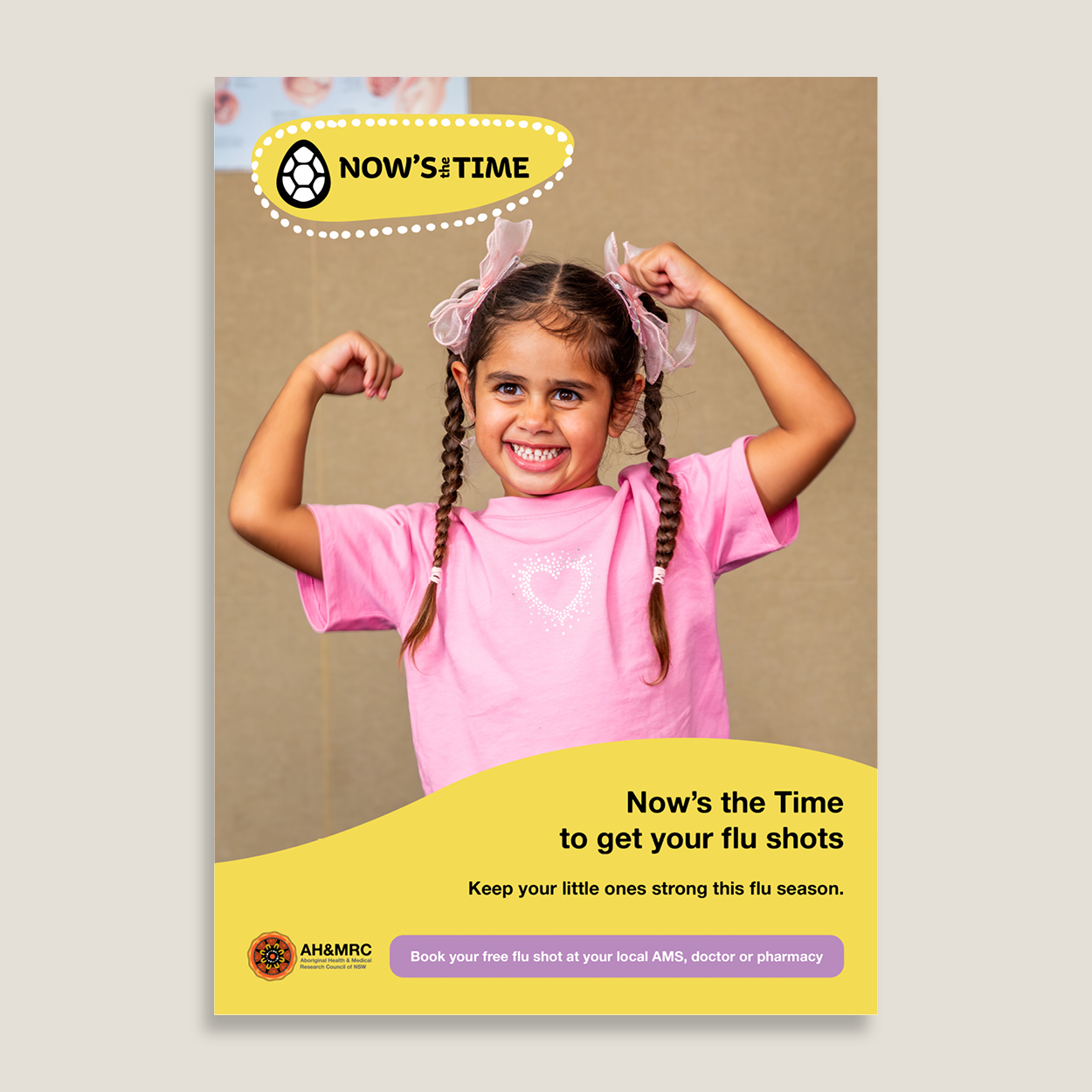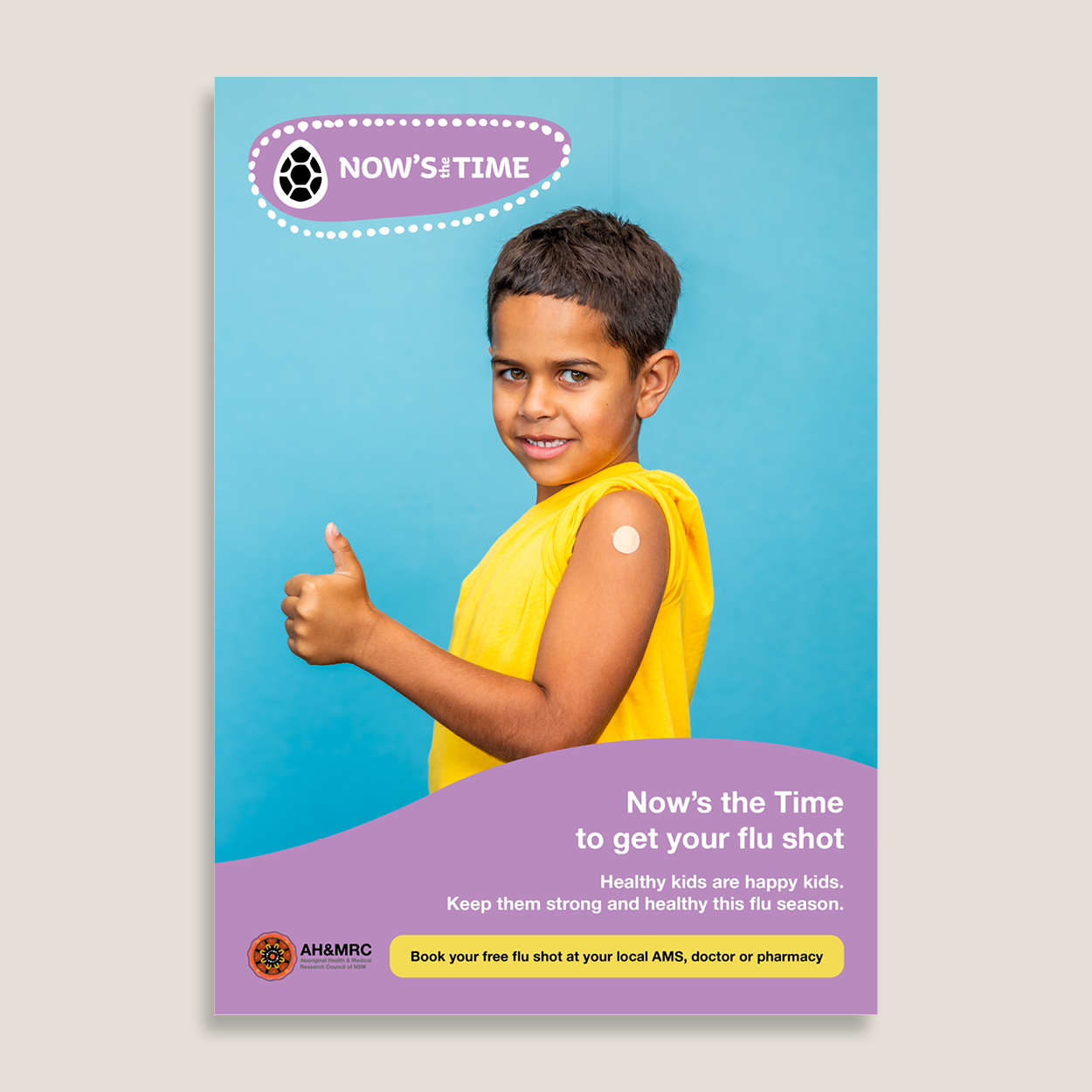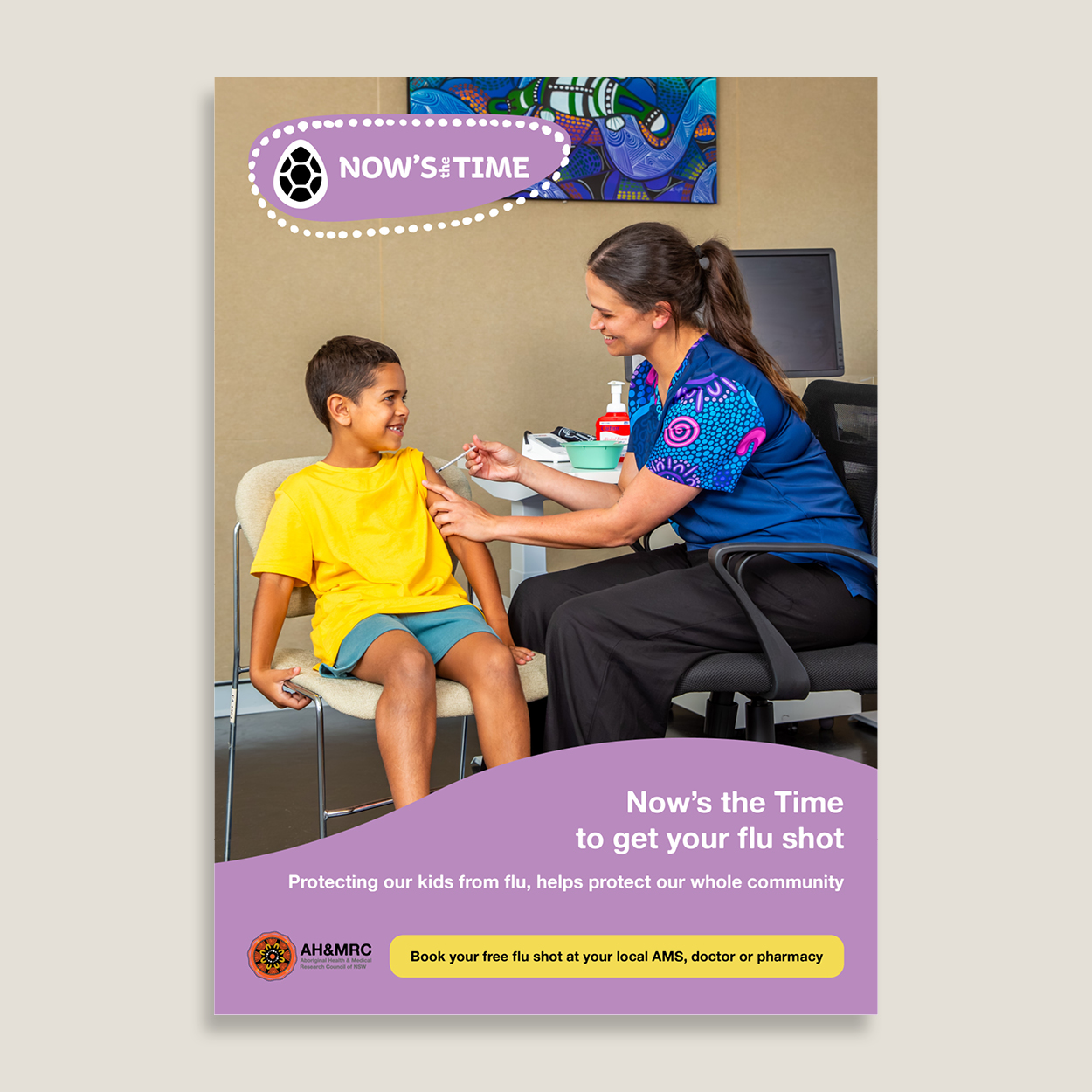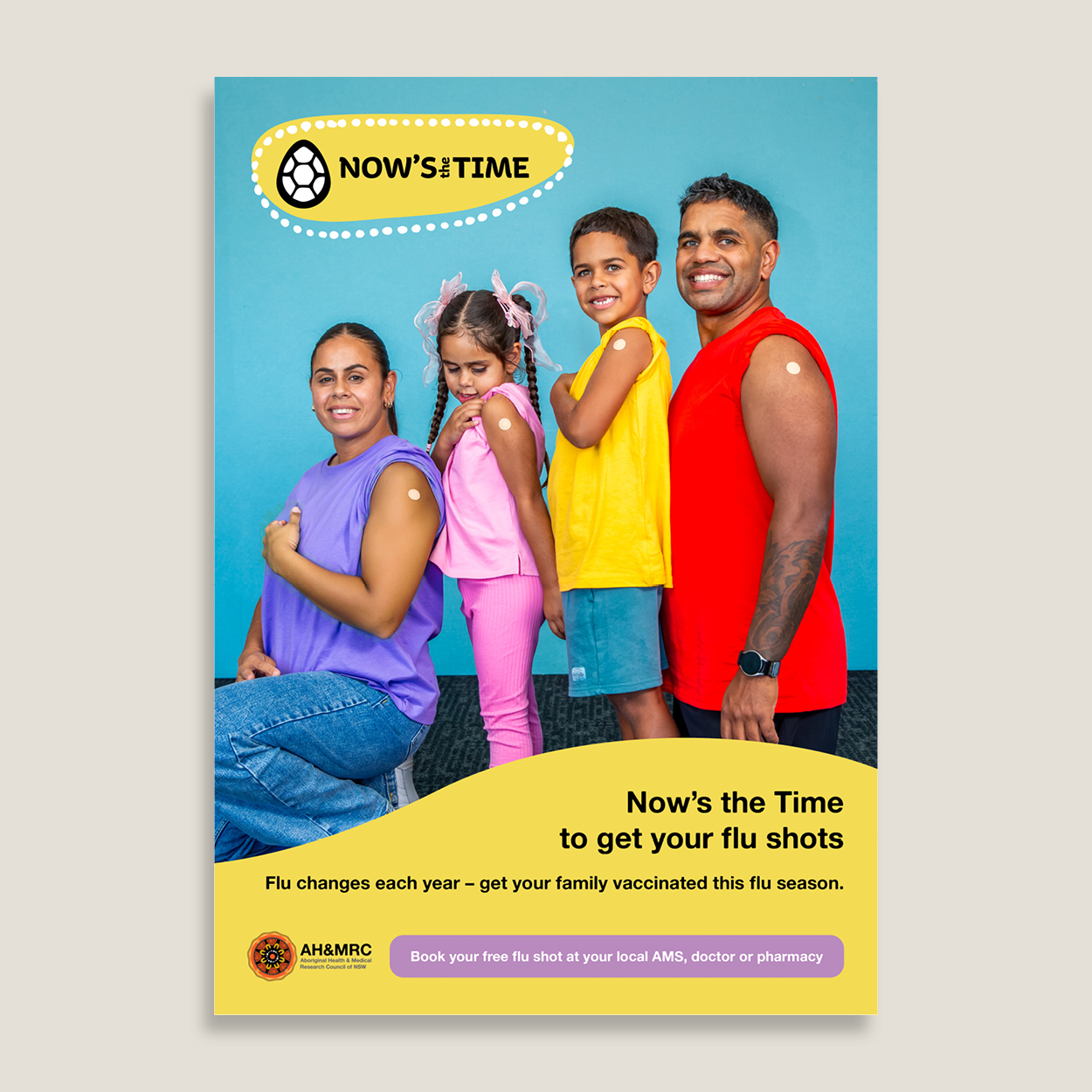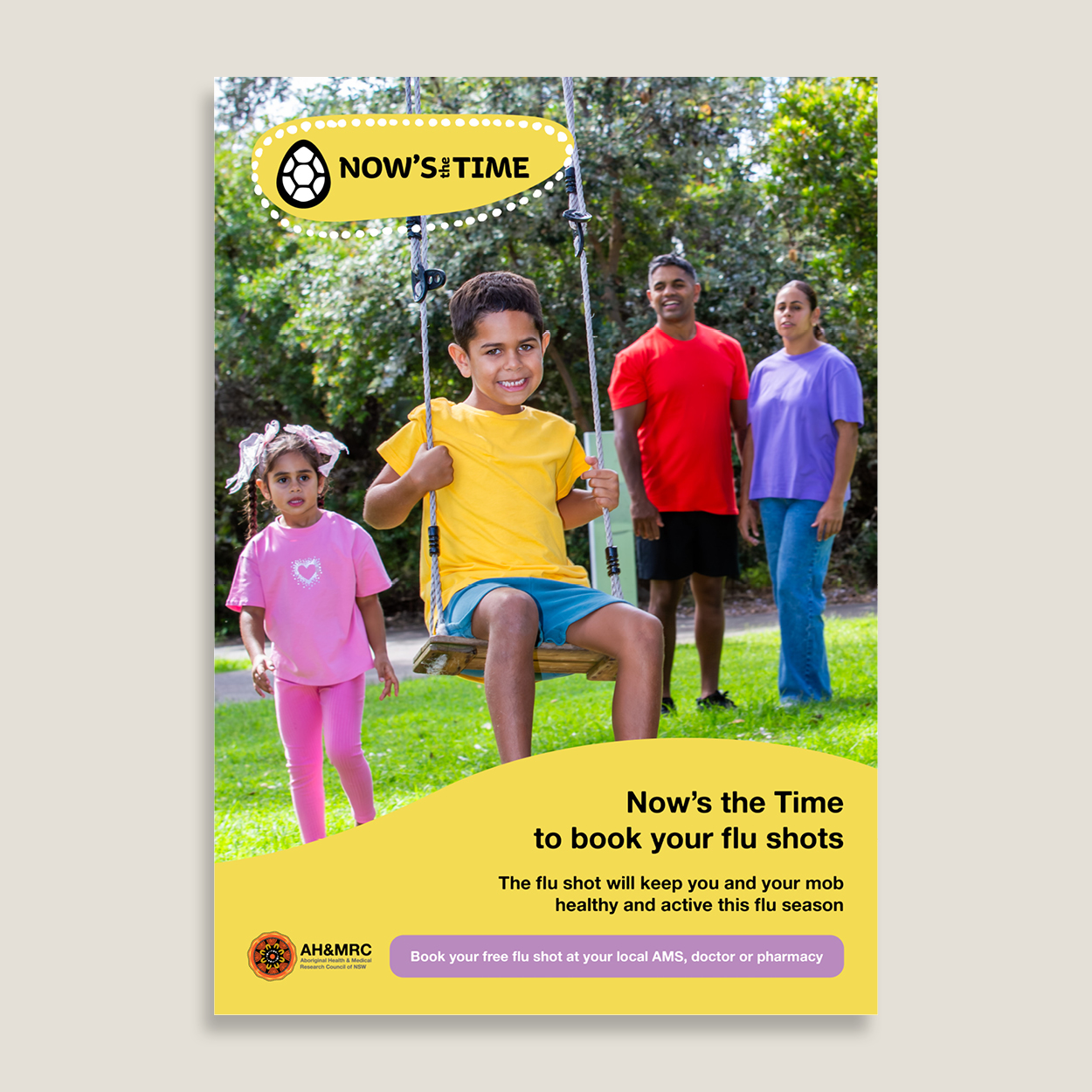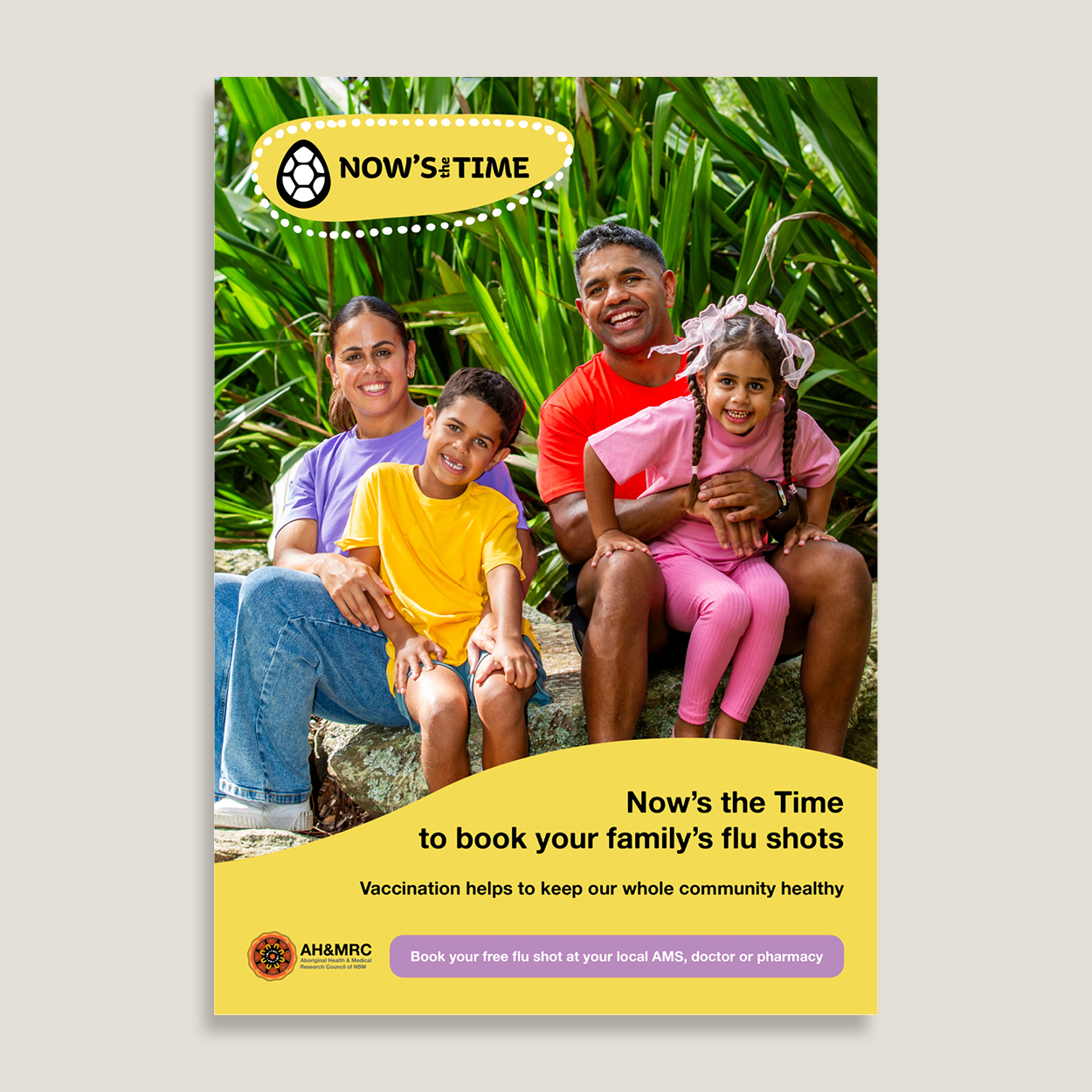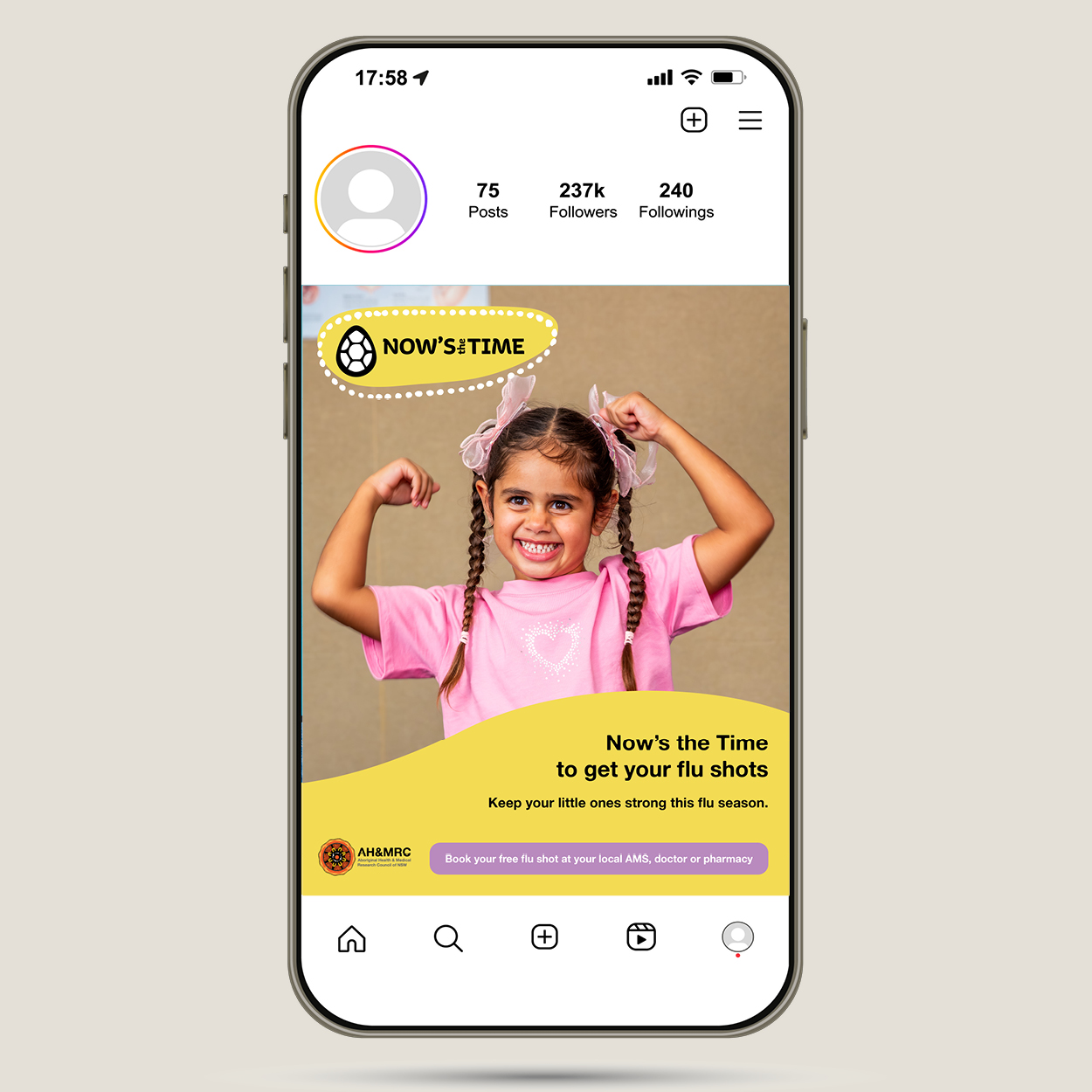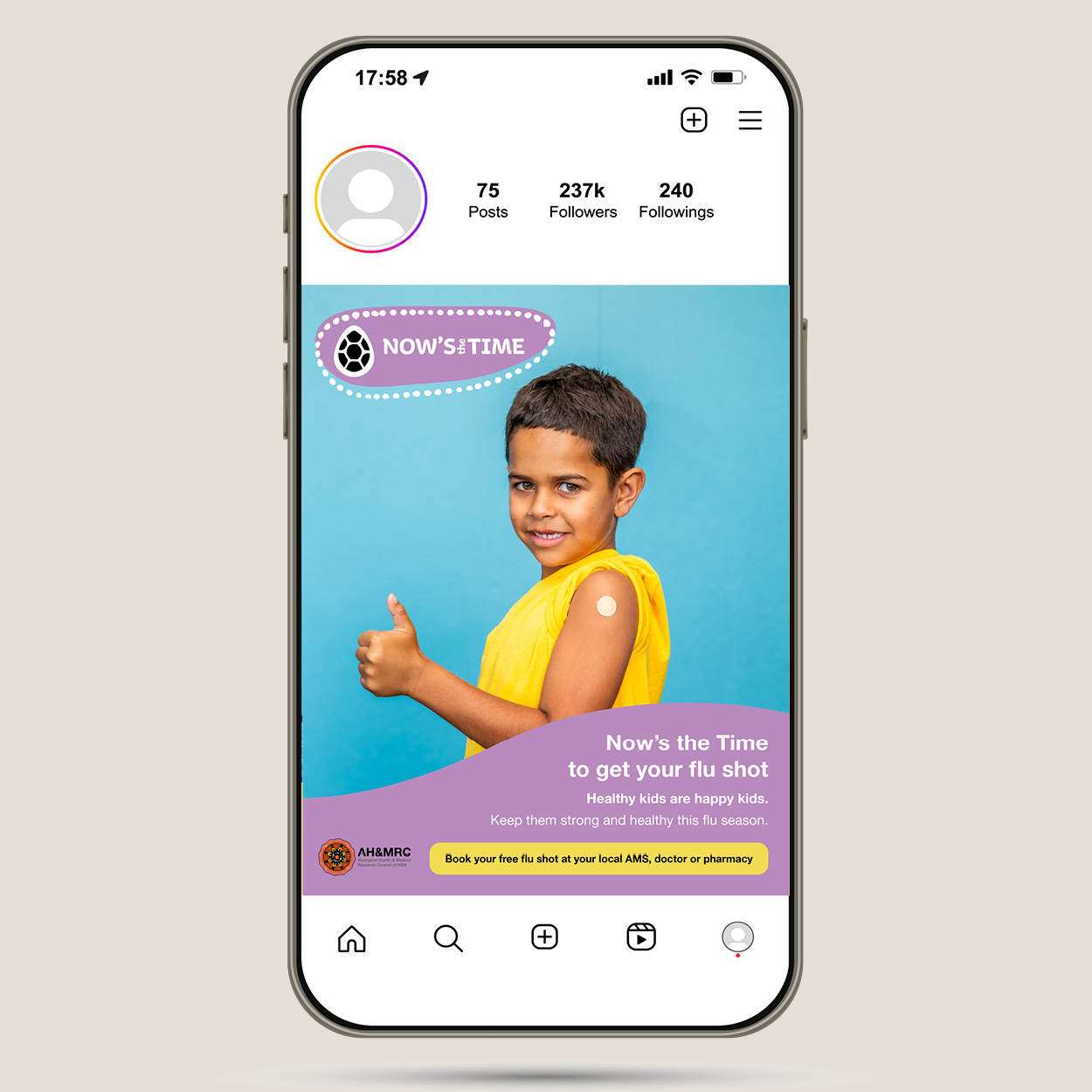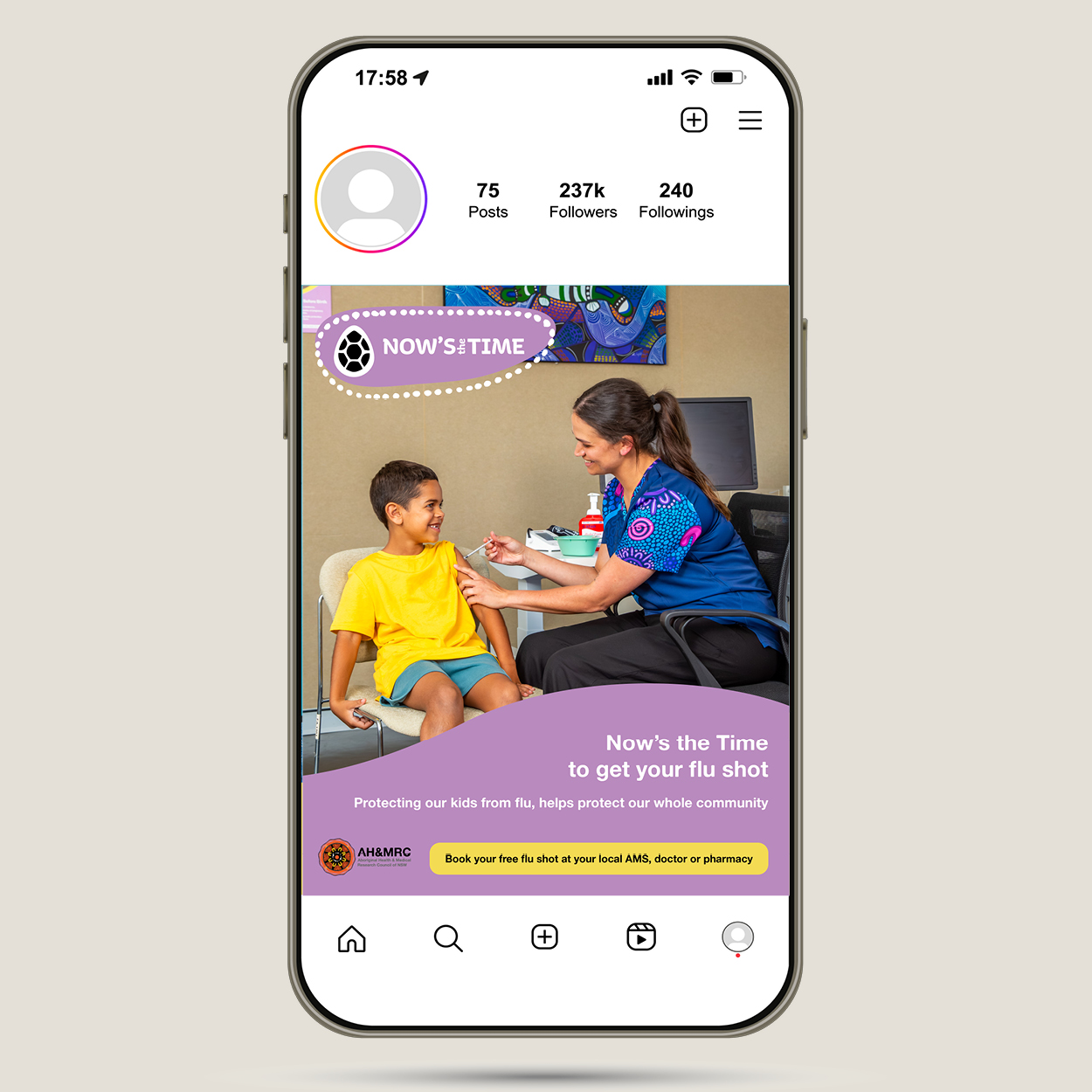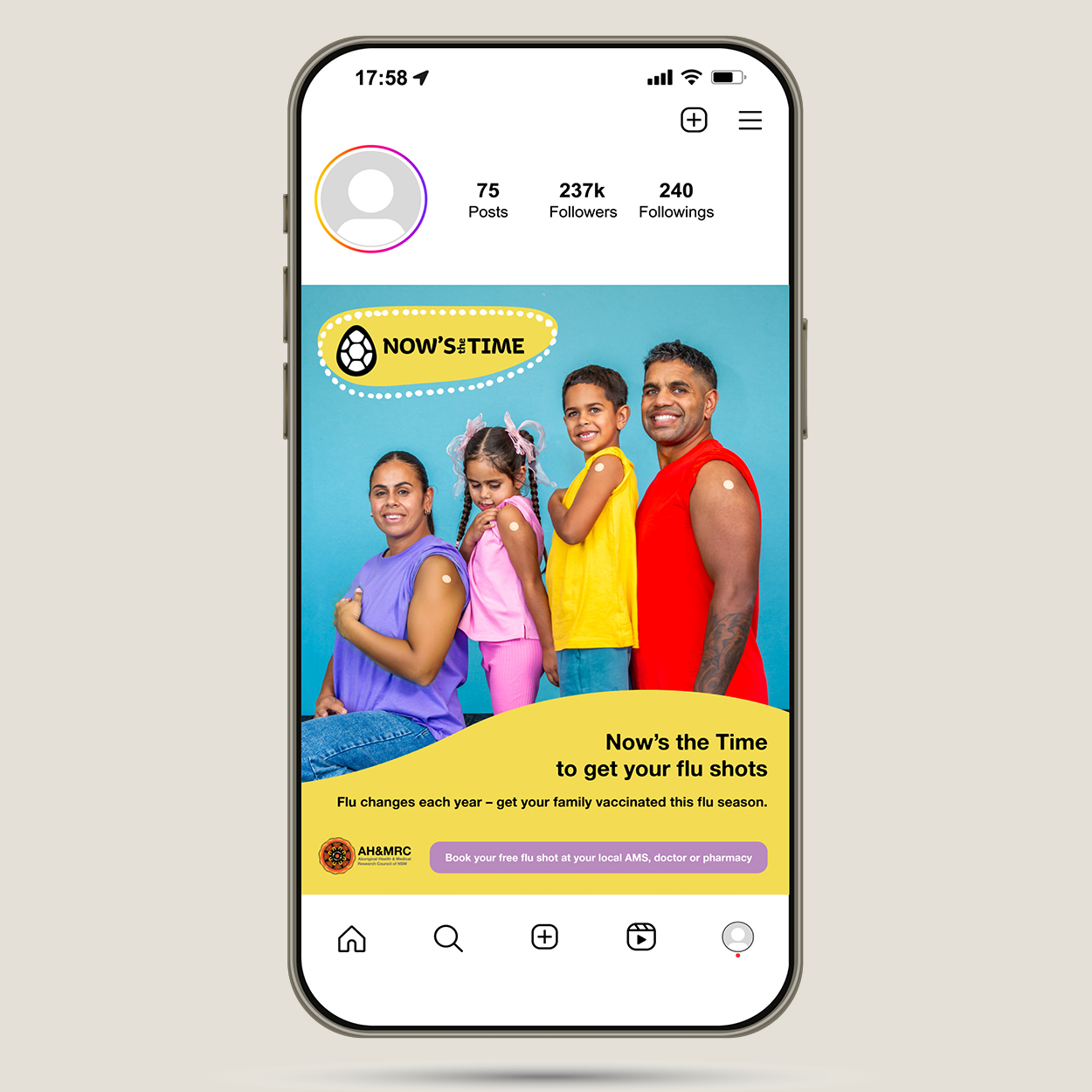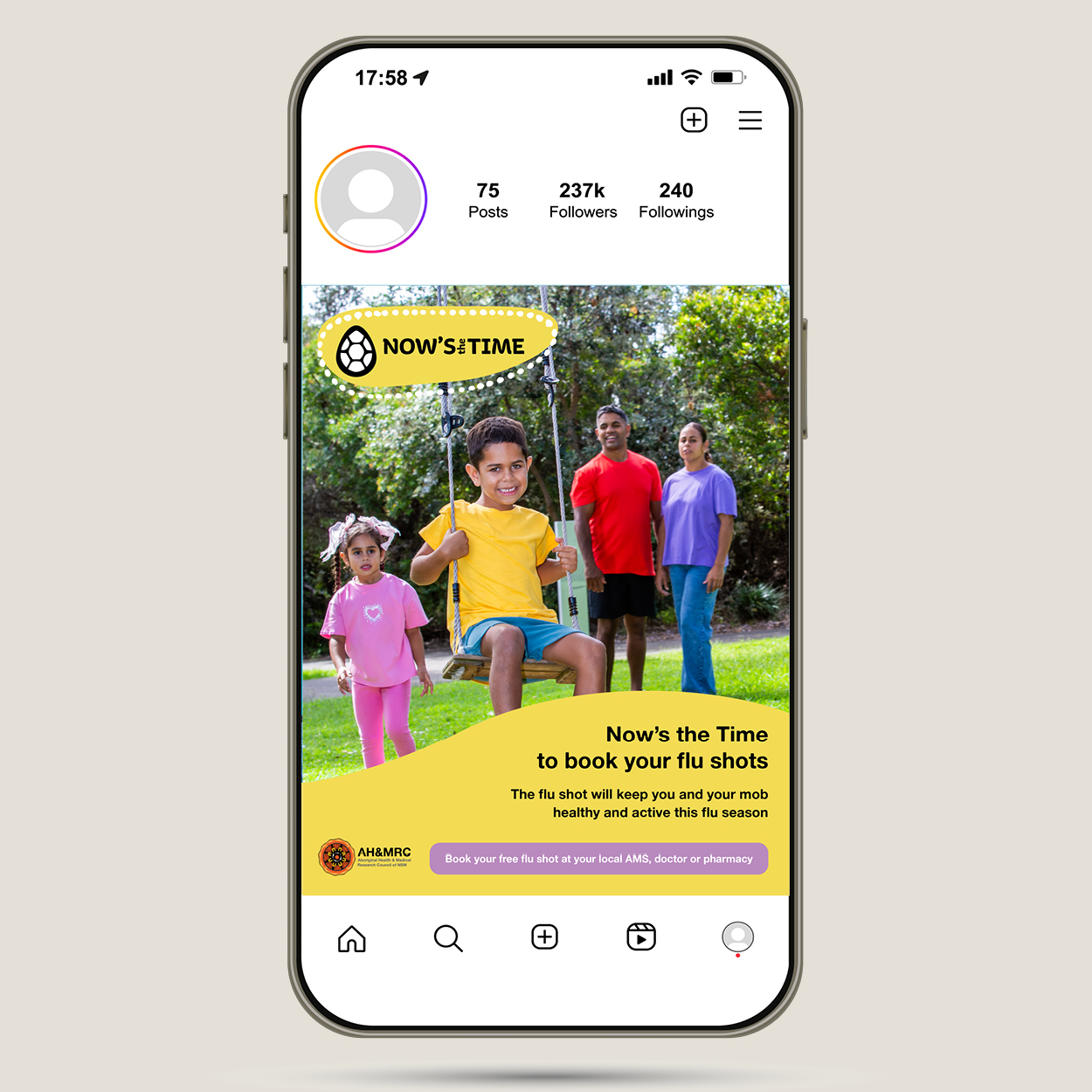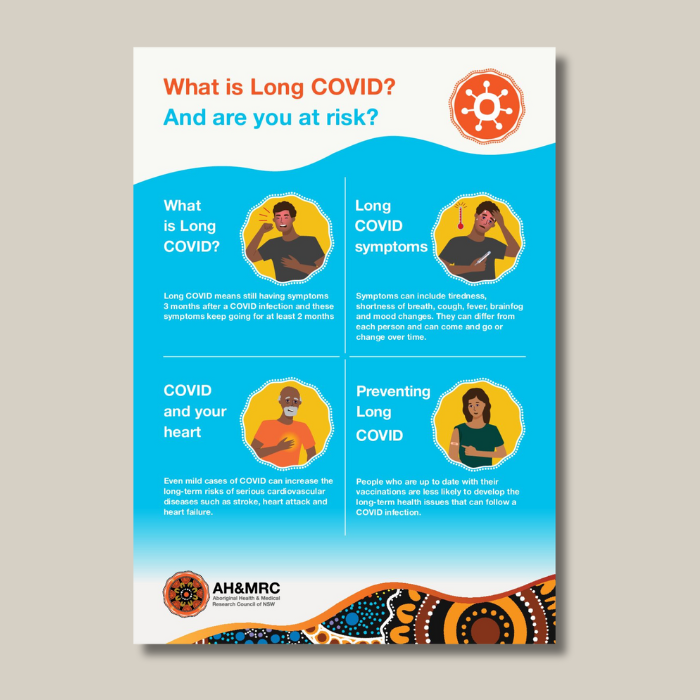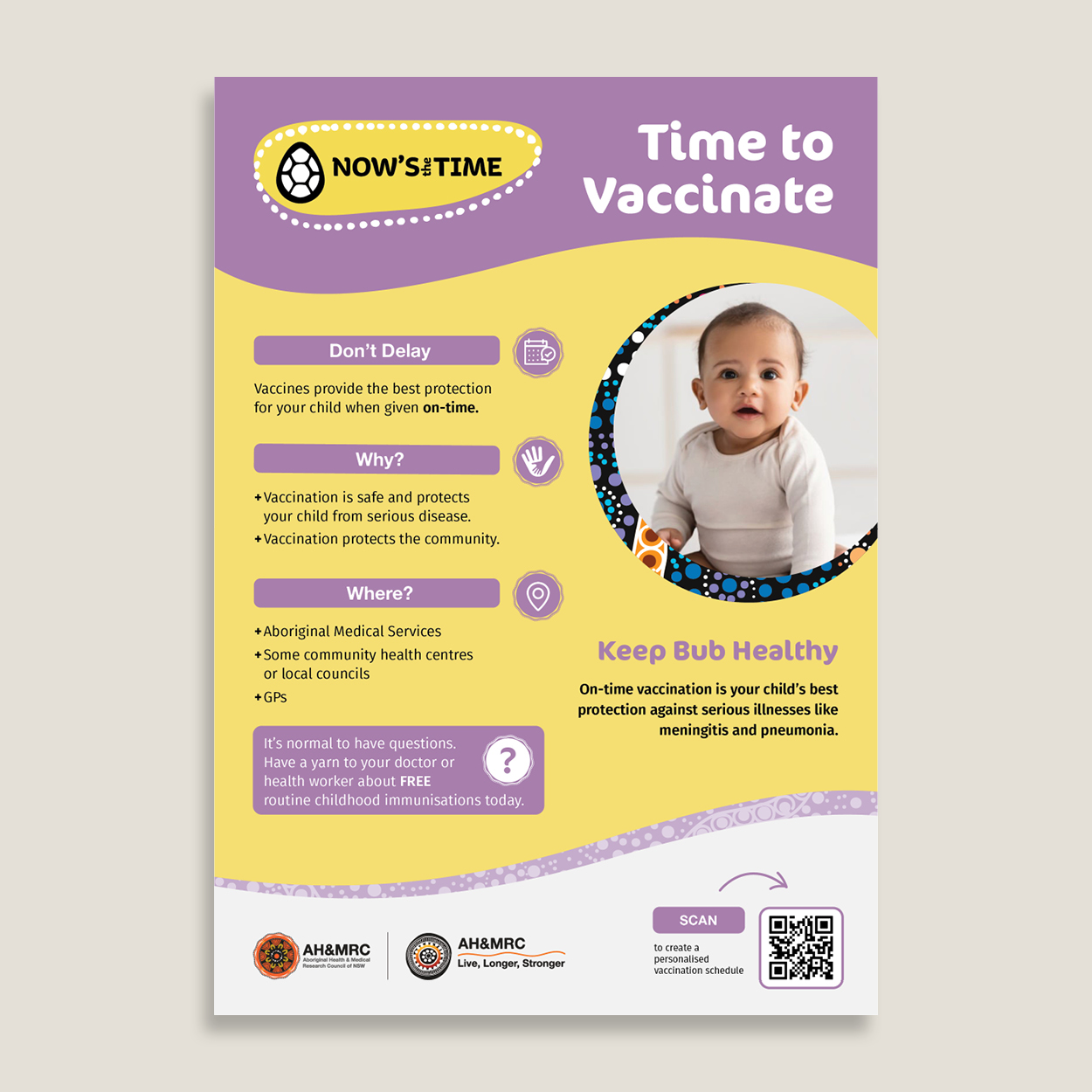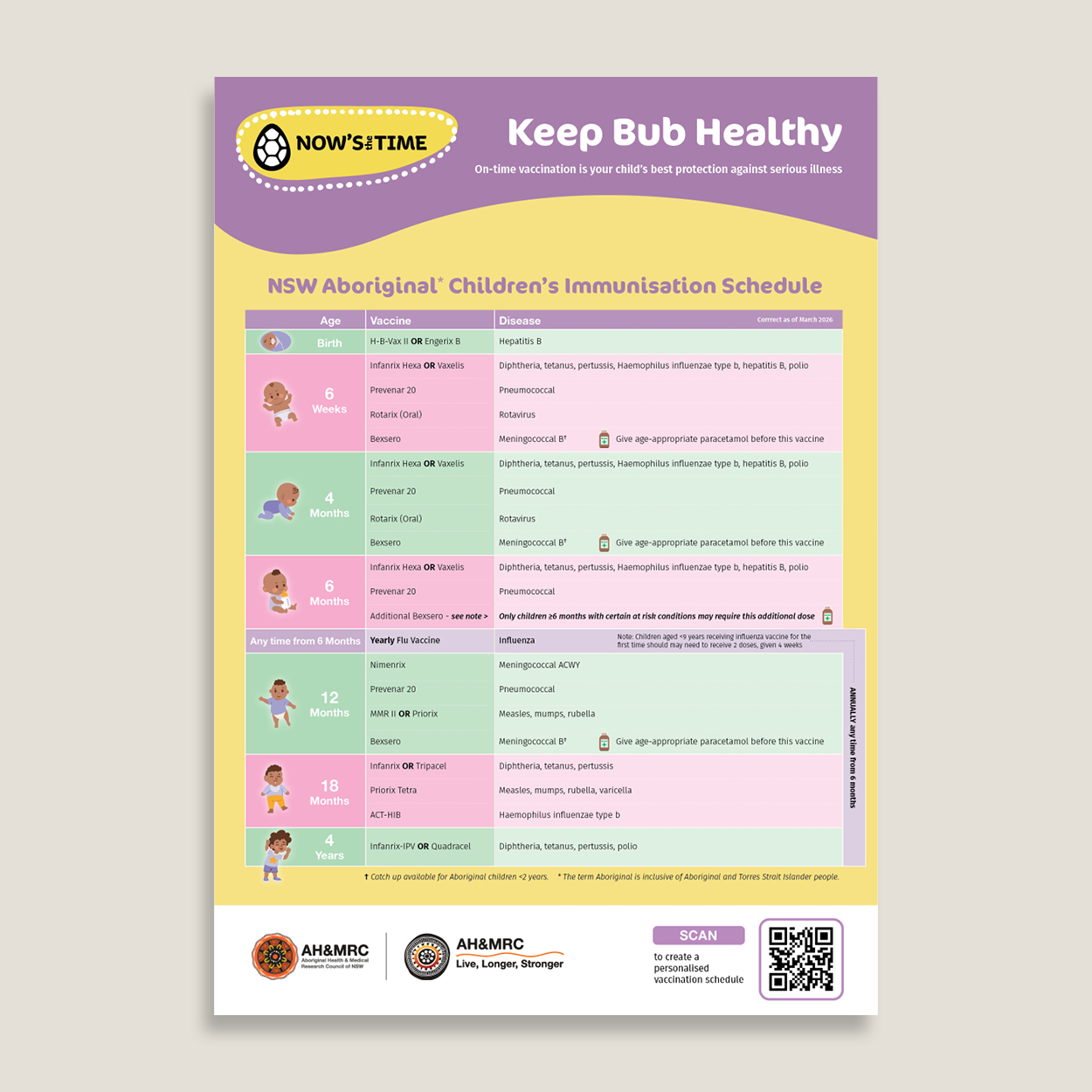





Influenza (the flu) is a contagious respiratory illness caused by influenza viruses that affects the nose, throat and sometimes the lungs. It can cause mild to severe illness even in people who are usually healthy.
The flu virus changes every year, and a yearly flu shot is a simple way to protect yourself, your family, and your community.
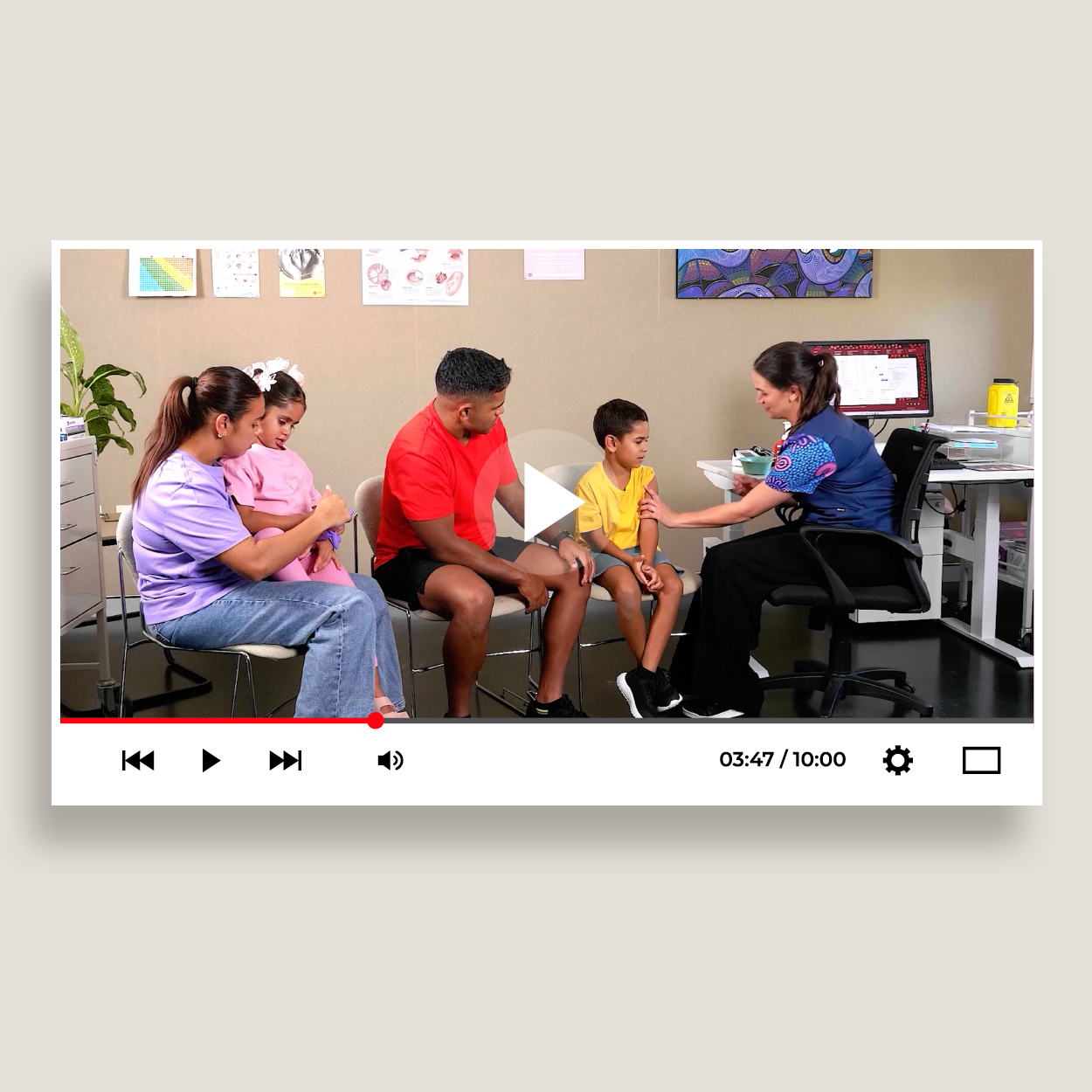
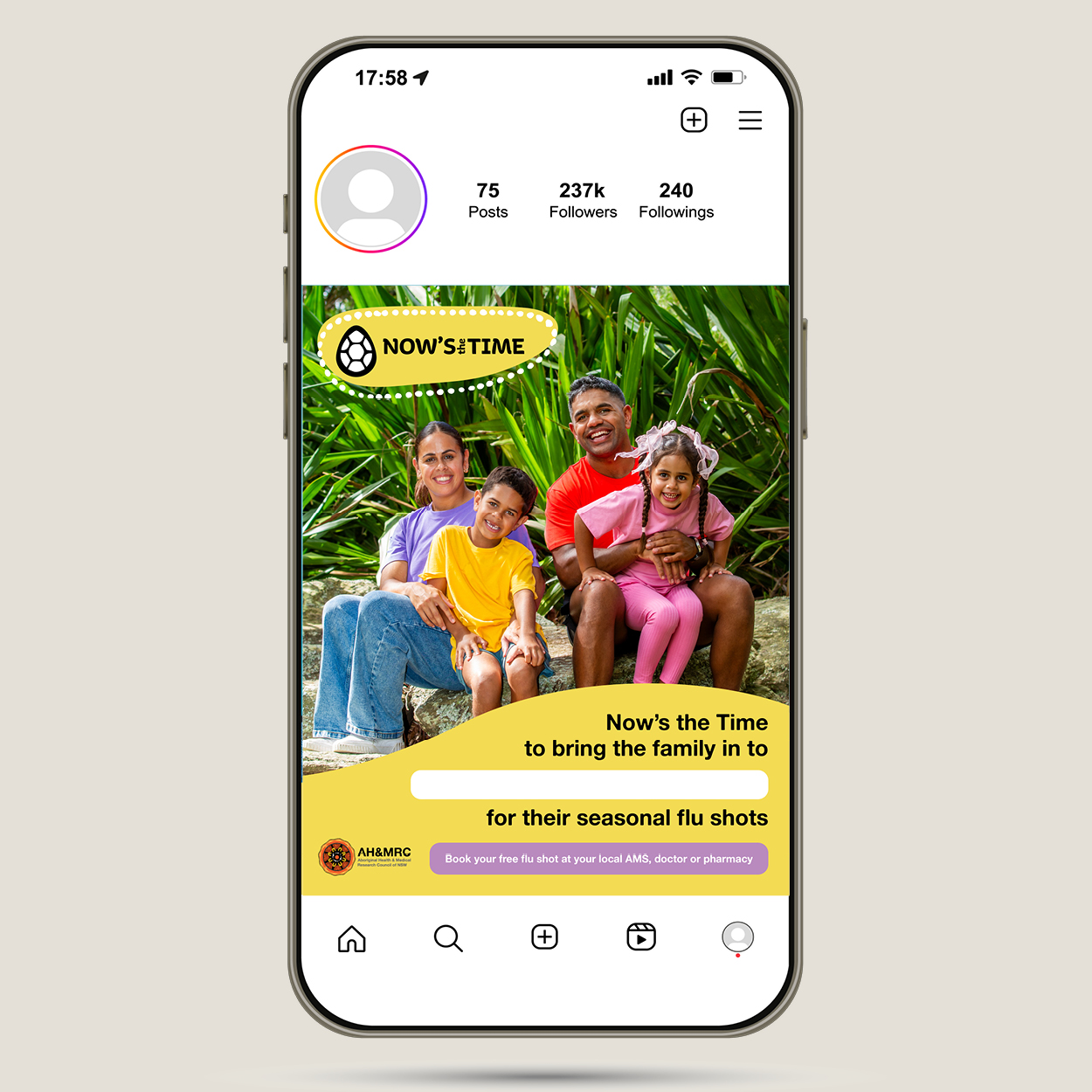
Hear from a young family as they share why they choose to make yearly flu vaccination part of how they care for their family and community.
What is the Flu?
- Influenza (flu) is a highly contagious virus that affects the nose, throat and lungs, with symptoms ranging from mild to severe
- It is more serious than a common cold and can lead to complications like pneumonia, sepsis, and hospitalisation
- Flu is most common in autumn and winter, but can be around at any time of year
- Flu is a leading cause of hospitalisation in our communities.
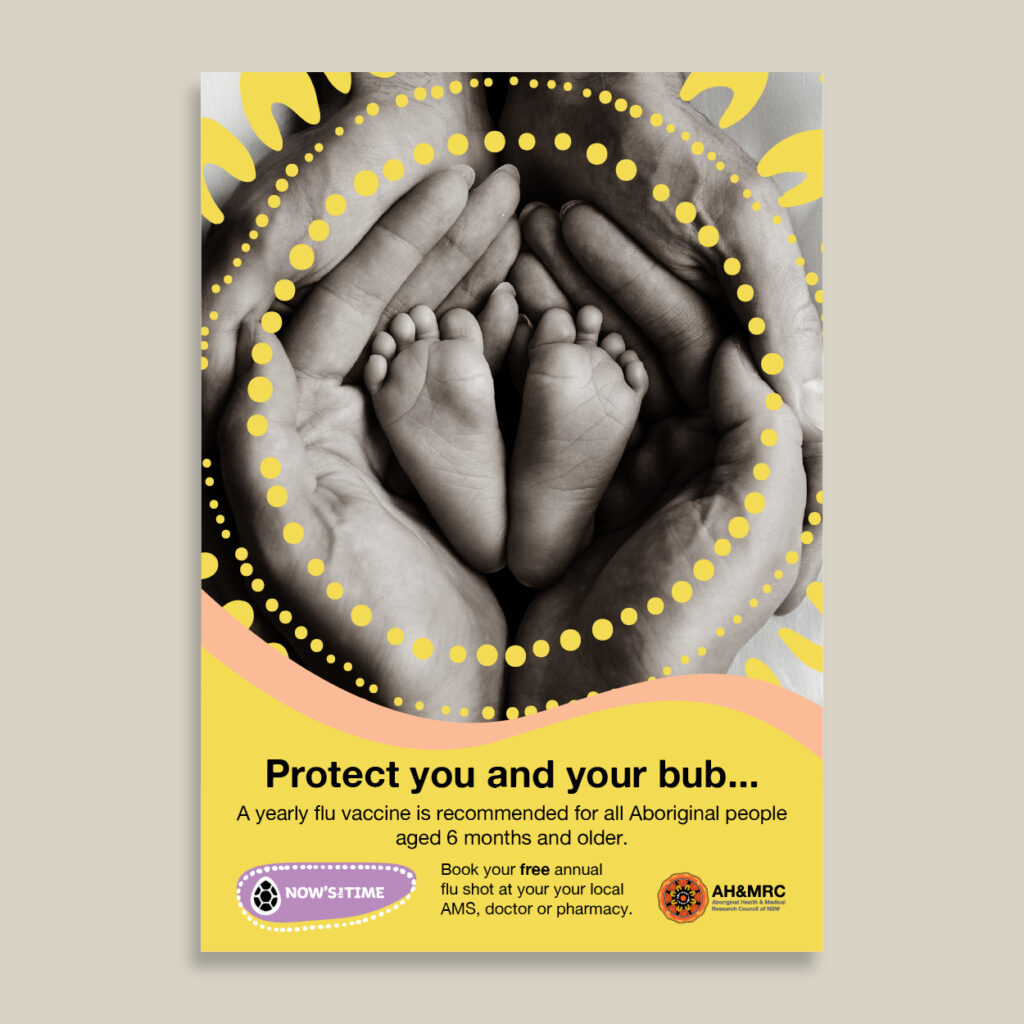
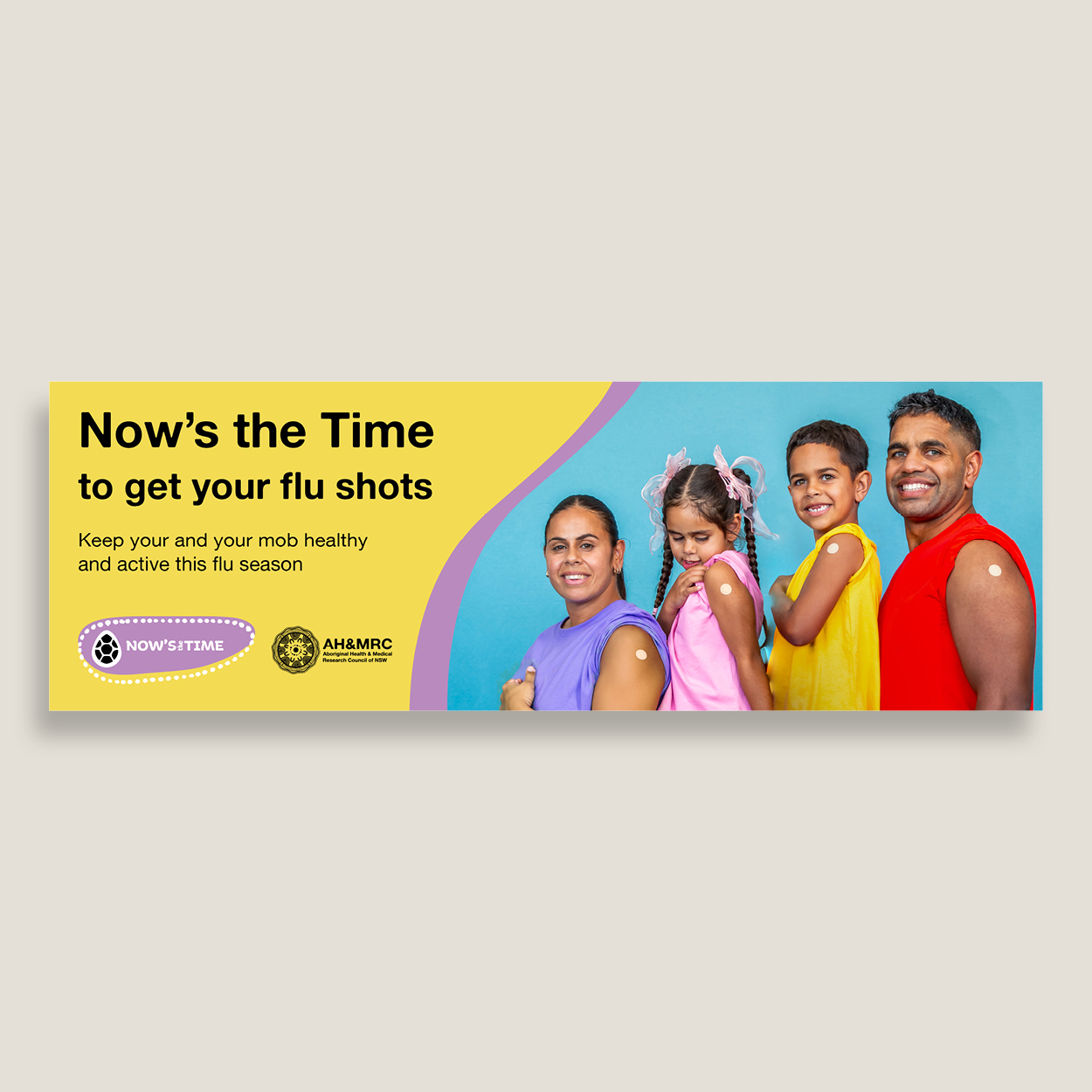
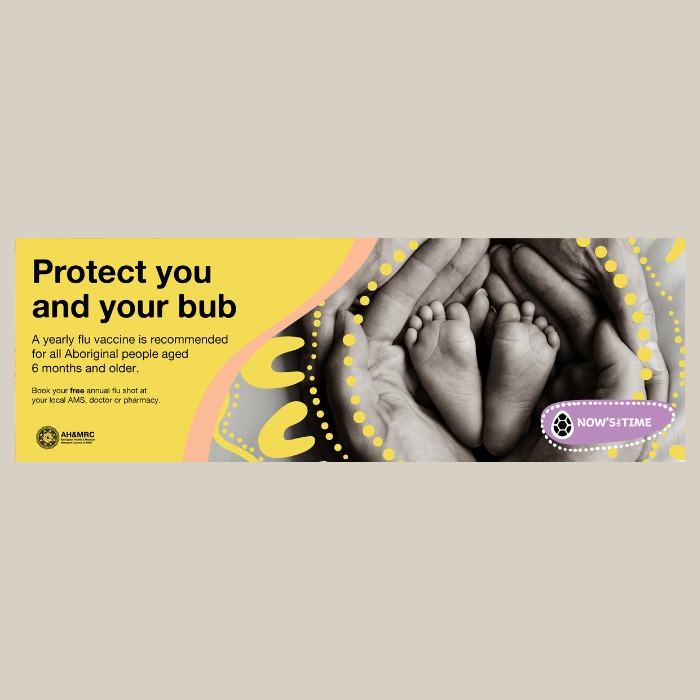
Getting vaccinated early is the best way to protect yourself and your community. The flu vaccine is free and recommended for all Aboriginal and Torres Strait Islander people aged 6 months and over.
Symptoms of the Flu
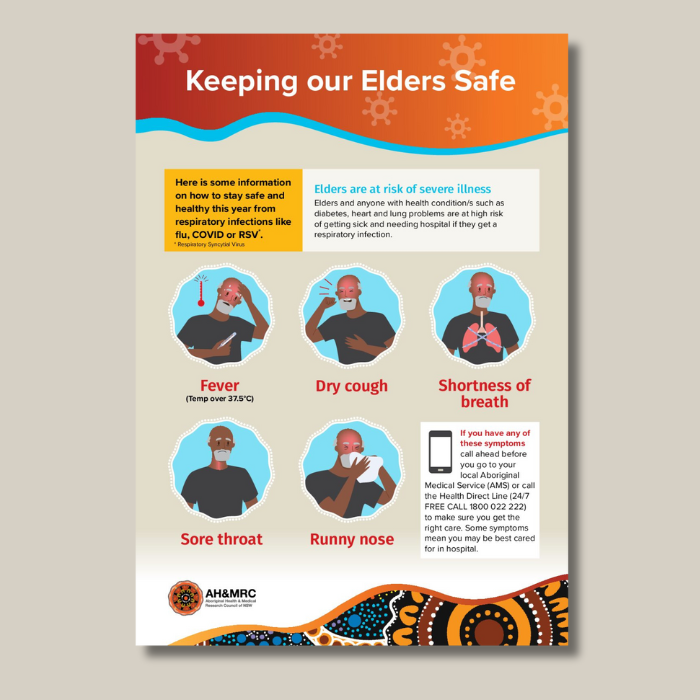
People with the flu may experience some or all the following:
- Fever and chills
- Cough, sore throat, runny or blocked nose
- Muscle aches, joint pain and headaches
- Feeling very tired or run down
- Nausea, vomiting or diarrhoea (more common in children)
Symptoms can last over a week, and in some cases may lead to serious illness and hospitalisation.
How the Flu spreads
Flu spreads easily:
- Through droplets in the air when an infected person coughs or sneezes
- By touching contaminated surfaces and then touching your eyes, nose or mouth
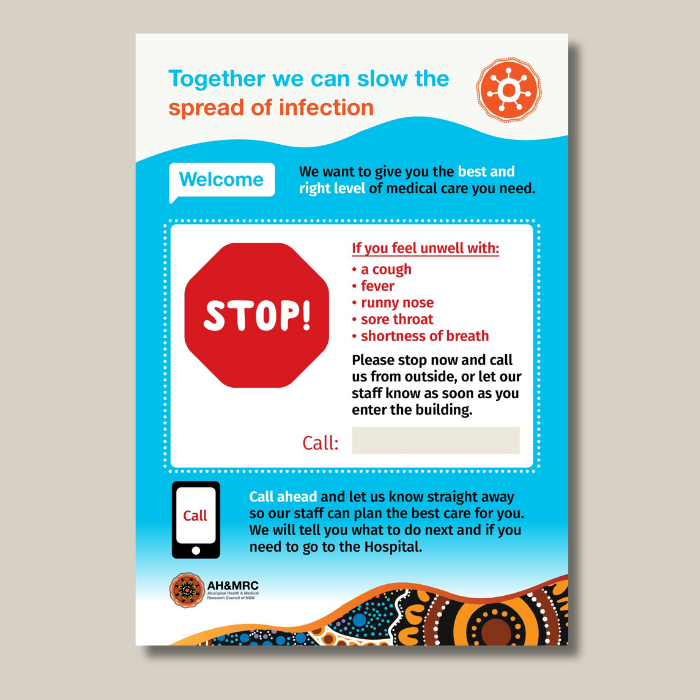
- People with the flu can spread the virus before they feel unwell and while they still have symptoms
Why the Flu Vaccine is Important
Vaccination helps to:
- Reduce the risk of getting really sick
- Protect babies, Elders and those most vulnerable
- Reduce the spread of flu
Who Should Get Vaccinated?
The flu vaccine is recommended every year for everyone aged 6 months and over. This includes children, teenagers and adults of all ages.
It’s especially important for:
- Young children
- Elders
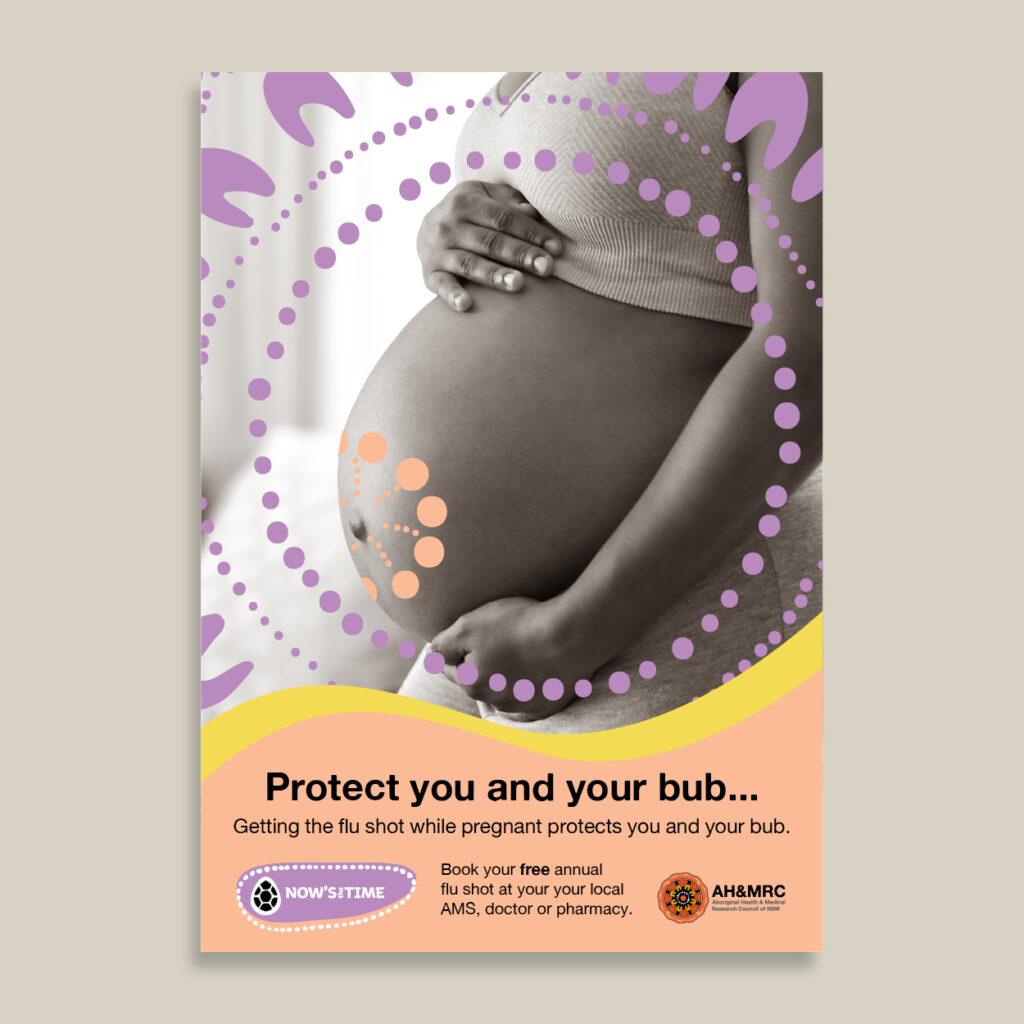
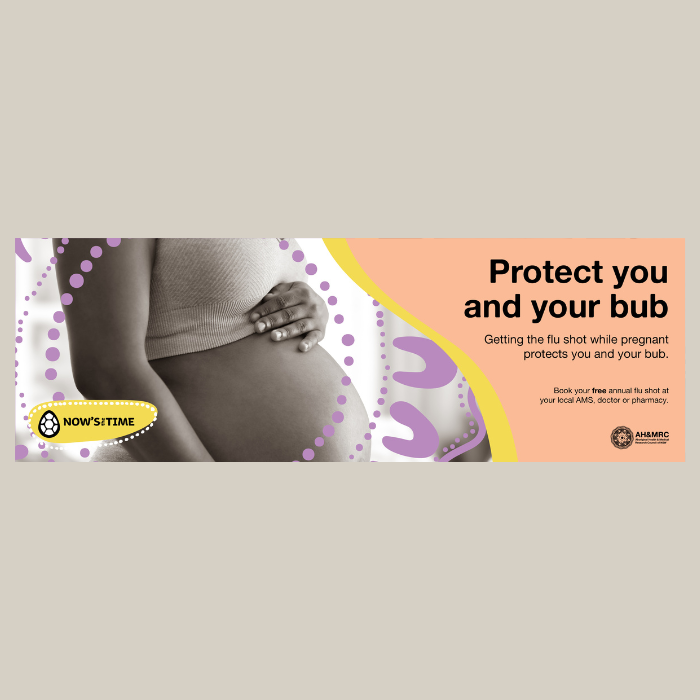
- Pregnant women
- People with chronic health conditions
- Health and community workers
The New Nasal Spray Vaccine: FluMist
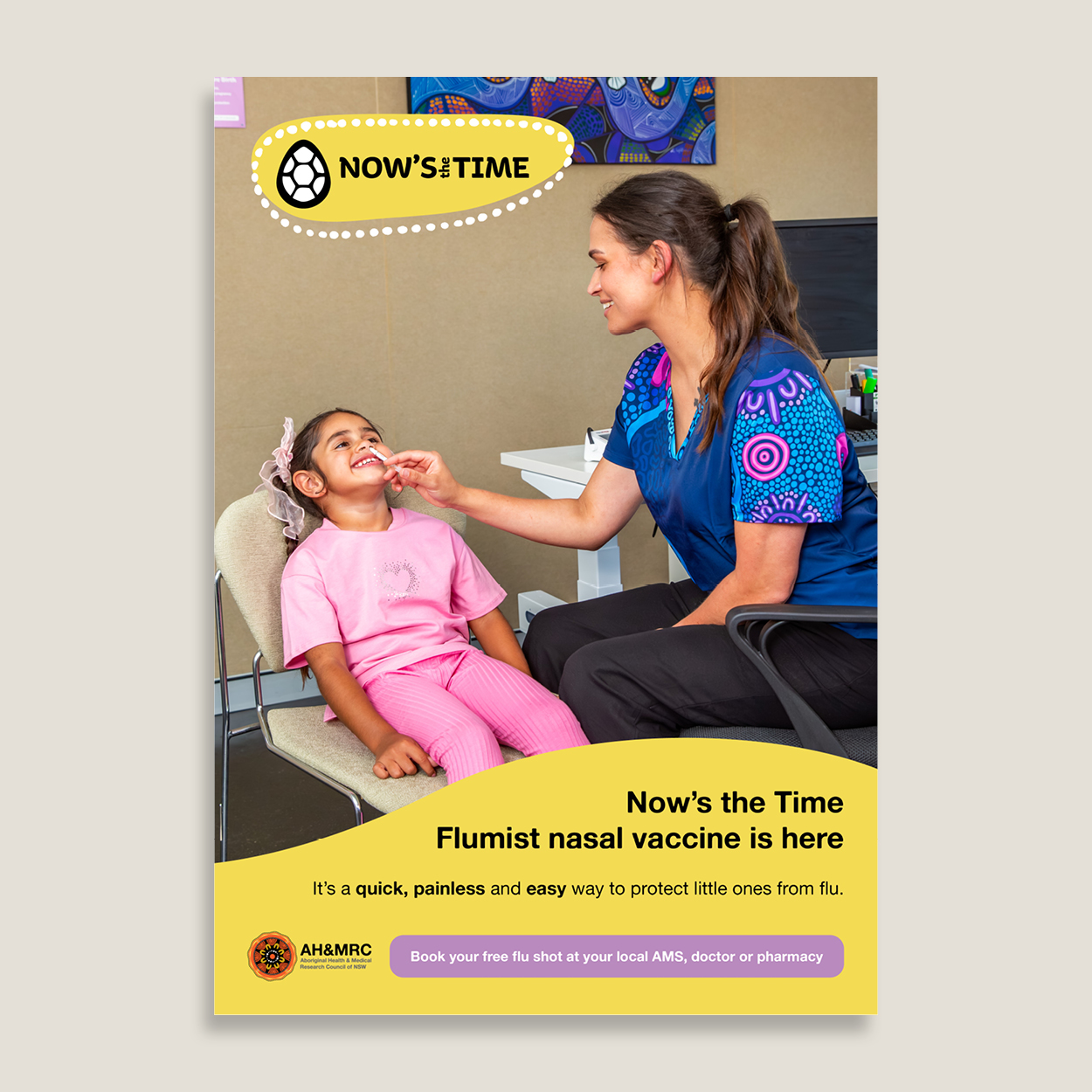
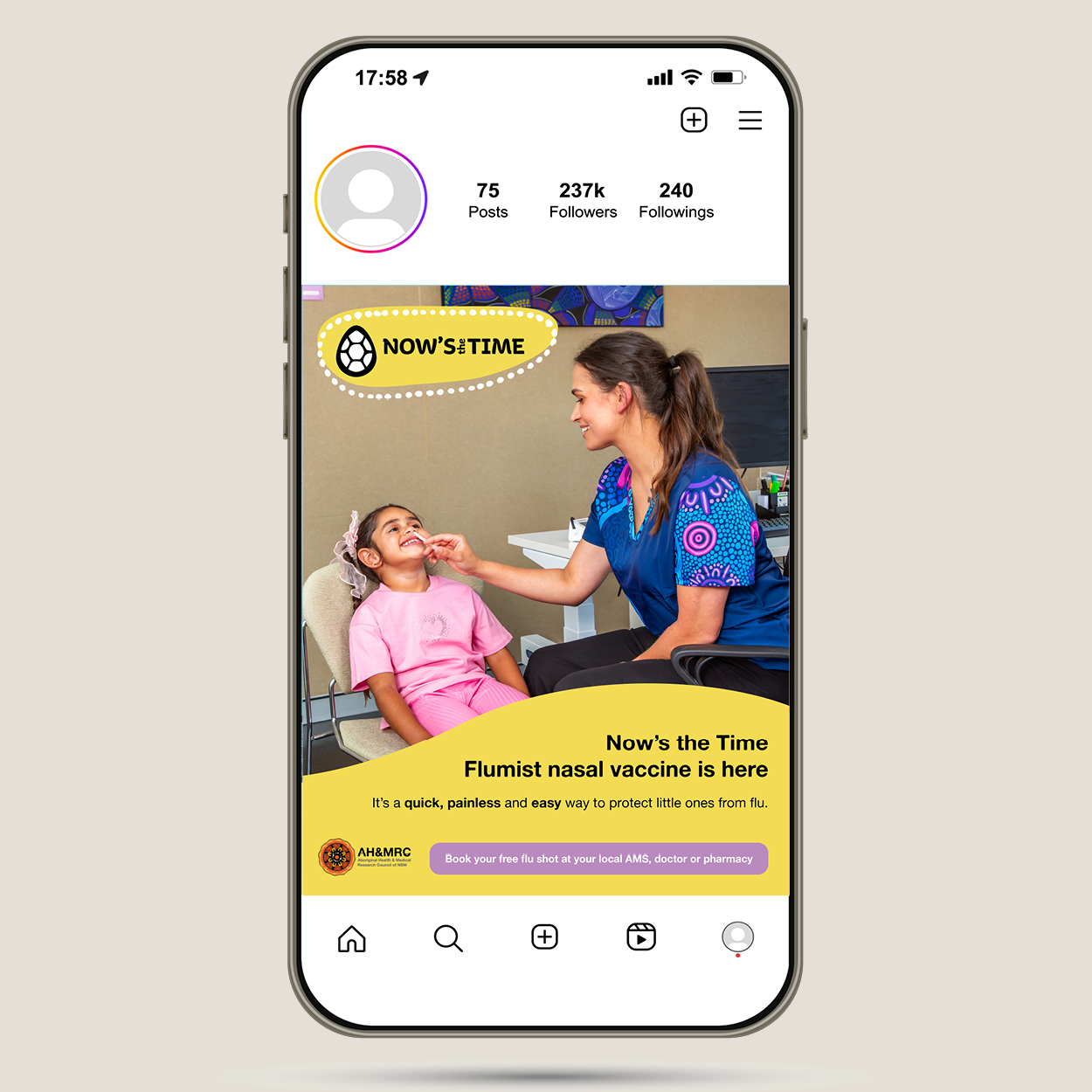
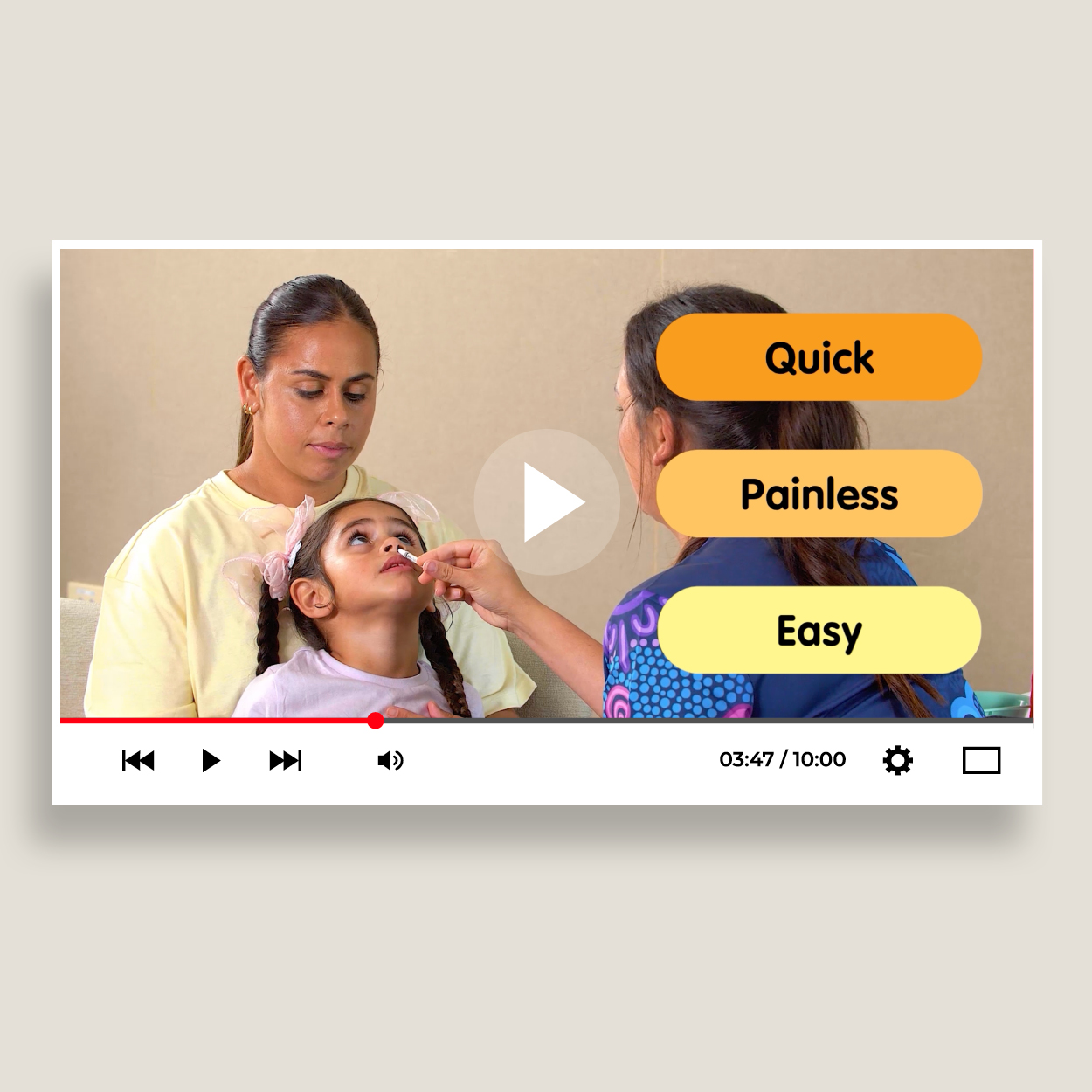
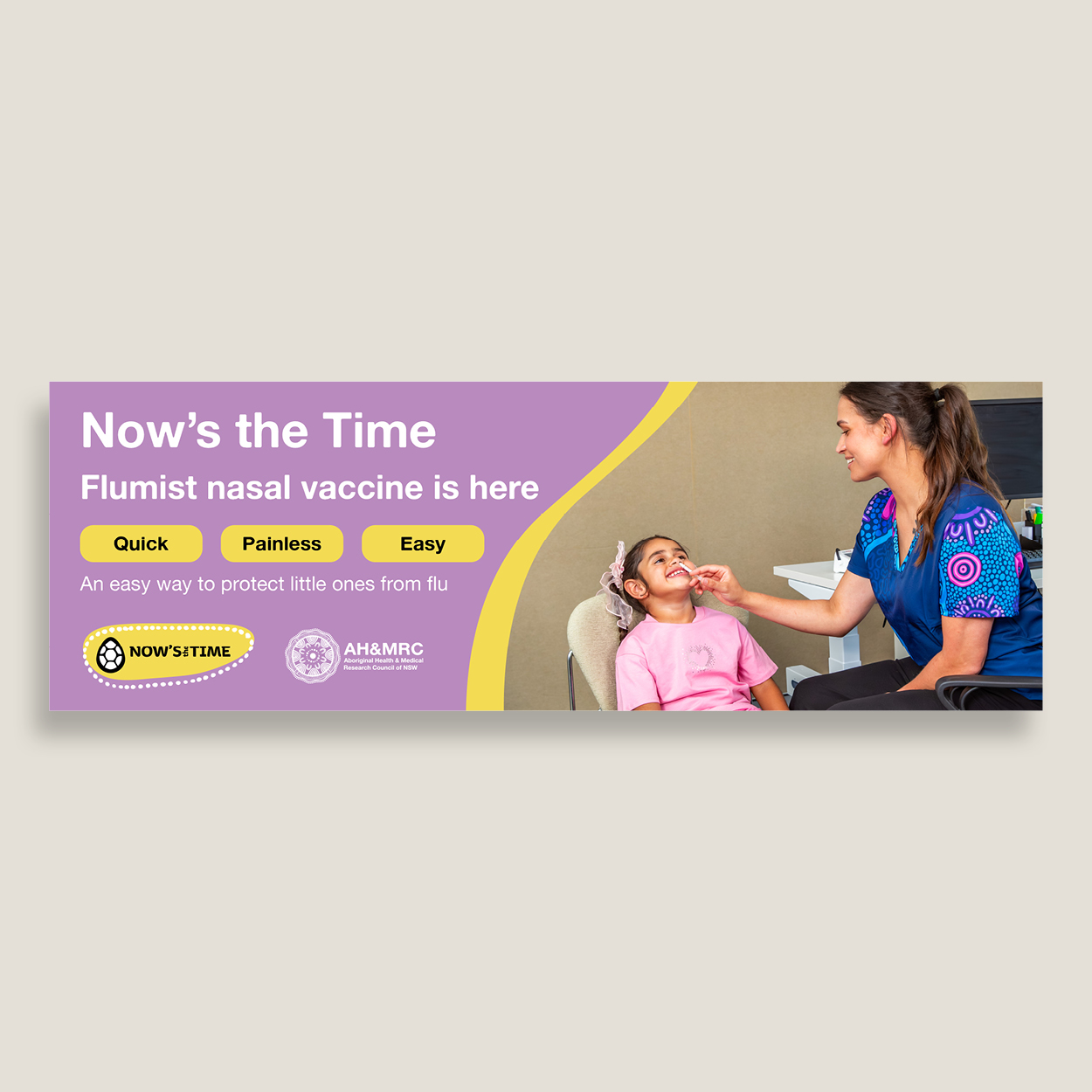
There is now a different way for children to get the flu vaccine. FluMist is an intranasal spray (not a needle) and offers the same protection against flu as the needle vaccine. It has been used safely overseas for more than 10 years and is now approved for use in Australia.
FluMist is now available FREE in NSW for children aged 2 to 17 years under NSW Health’s Nasal Spray Influenza Vaccination Program.
How to prevent the Flu
You can help protect yourself and your community by:
- Getting vaccinated every year
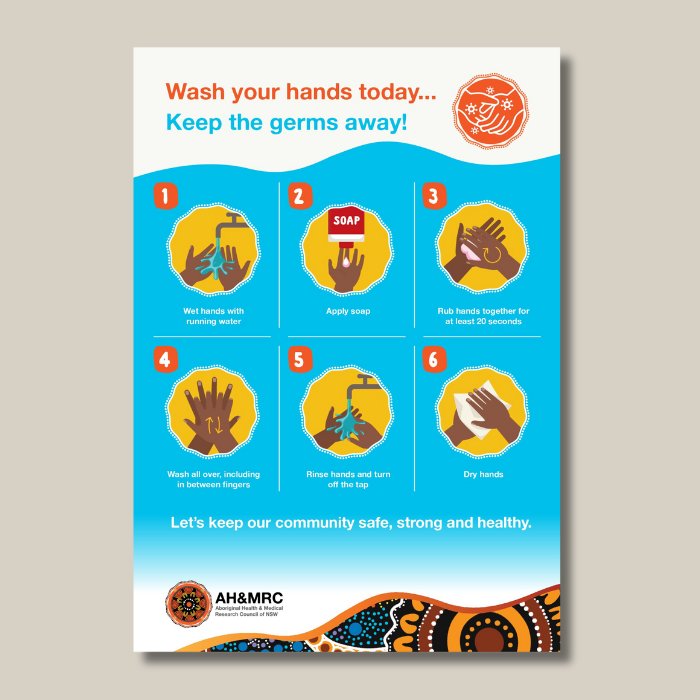
- Washing hands regularly with soap and water
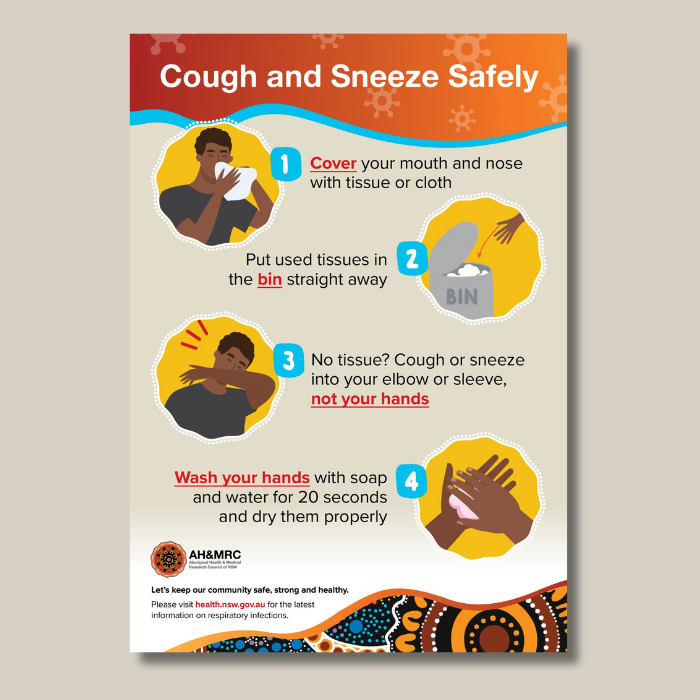
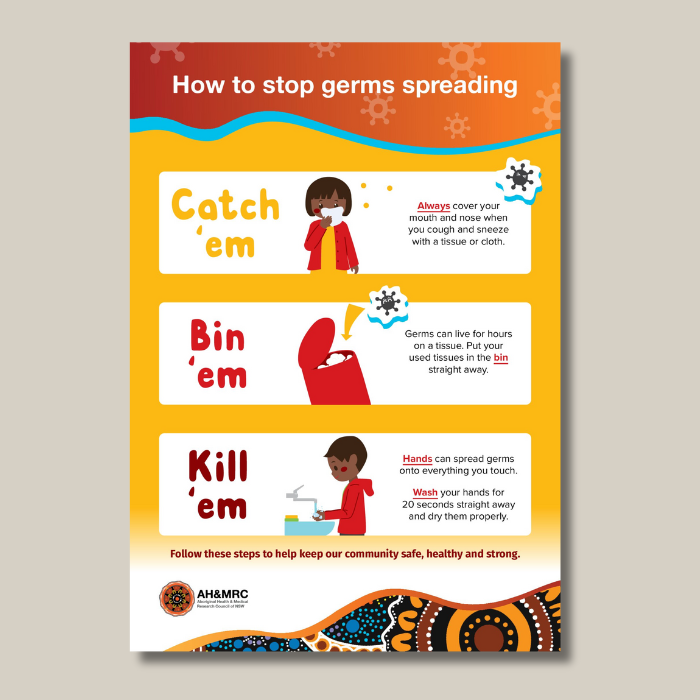
- Covering coughs and sneezes with your elbow or a tissue
- Staying home if feeling unwell
- Keep frequently touched surfaces clean
Diagnosis and treatment
- Your GP may confirm flu with a PCR test (nose/throat swab).
- Most people recover at home with rest, fluids, and pain or fever relief medication if needed. For some people, the GP may prescribe anti-viral medication
- It’s important to seek medical care if you feel very unwell, you have difficulty breathing, or you are in a higher-risk group (e.g., you have a weakened immune system)
When should you stay home?
Stay home and avoid contact with others while you have symptoms.
If symptoms worsen or you develop severe tiredness, difficulty breathing, or ongoing fever, seek medical care.
Where Can I Get My Flu Shot?
You can get your flu vaccine at your local:
- AMS (Aboriginal Medical Service)
- GP clinic
- Selected pharmacies
To find your nearest ACCHO, click here.
Immunisation Resources for Community
Looking for more information or resources to support your community?
- NSW Health Influenza information page, fact sheetand information for families with young children
- NSW Health Nasal Spray Flu Vaccine fact sheet
- Flu vaccination FAQs by NCIRS
- Information about flu vaccination for children, teenagers and pregnant people by SKAI
- Create a personalised vaccination schedule for your child
Immunisation Resources for Services
- AH&MRC Campaign Resources
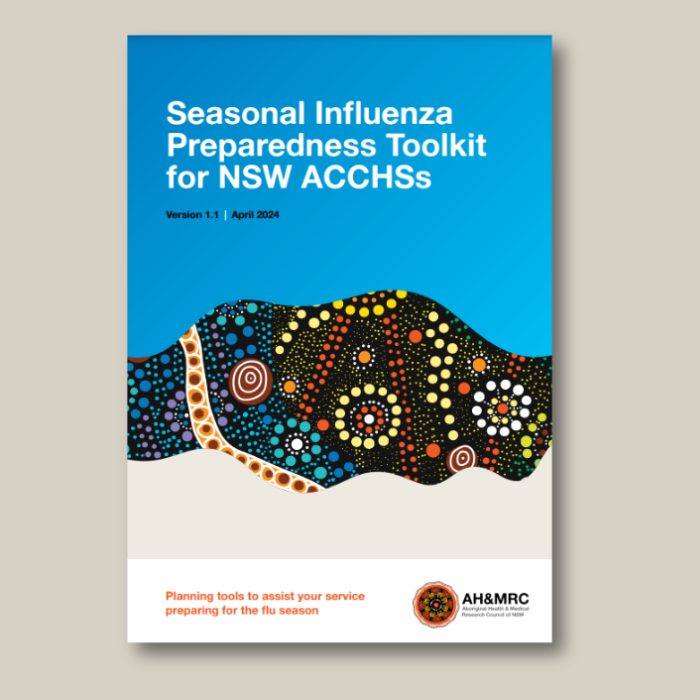
- AH&MRC Seasonal Influenza Preparedness Toolkit and Respiratory Infection Prevention and Control Manual
- Information about 2026 Influenza vaccination updates
- The Lung Foundation Protect Your Mob 2026 immunisation campaign resources
- NSW Health Winter Respiratory Vaccination Toolkit and Respiratory Illness Campaign Resources for Aboriginal people
- NCIRS Influenza immunisation resources
- NSW Health nasal spray flu vaccine information for health professionals
- RACGP nasal spray flu vaccine webinar
- FluMist administration video (login required – sign up with AHPRA number)