






Our People to Live Stronger & Longer

Prevention

Tips to Prevent

  • Understanding local risks
    Disaster resilience begins with understanding the risks faced by our communities across NSW, including floods, bushfires, extreme heat, storms and drought. Listening to local knowledge, lived experience and the history of Country ensures risk assessments are accurate, culturally informed and community-led.
  • Building strong, connected systems
    Keeping community safe means strengthening infrastructure, improving access to clear and timely warnings, and supporting community awareness and preparedness. Strong partnerships between ACCHOs, local services, emergency responders and government agencies are essential to coordinated, culturally safe responses before, during and after disasters.
  • Community-led prevention and preparedness
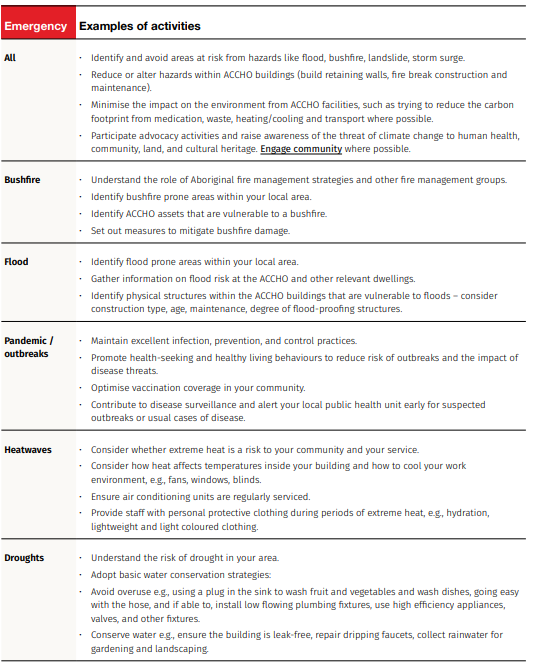
    Aboriginal communities play a vital role in disaster prevention. This includes participating in local preparedness and prevention activities such as emergency planning, community information sessions, cultural land management practices, and local mitigation efforts. Community leadership and shared responsibility help build resilience and support recovery. View examples here

Useful links

Culturally relevant strategies and tools for communities to mitigate, prepare for, and respond to emergencies and disasters.

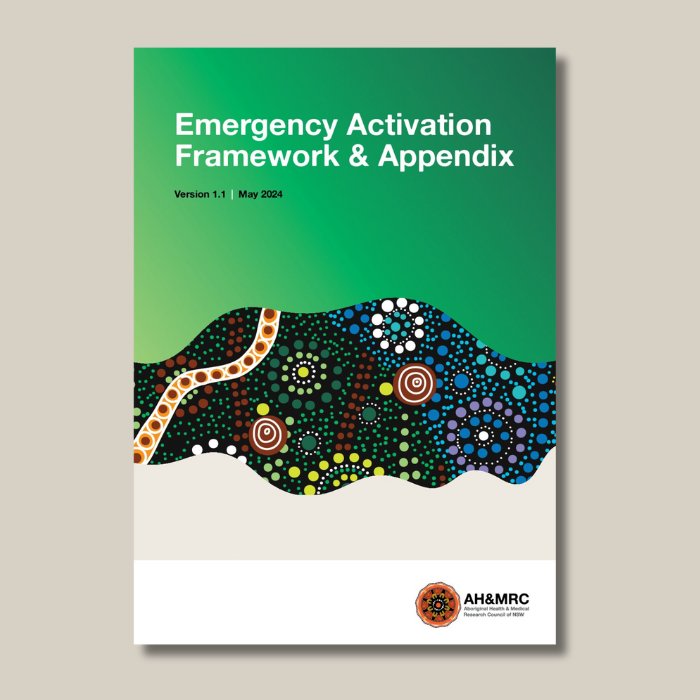
Emergency Activation Framework & Appendix

The Framework provides a high-level and practical plan for the early stages of responding to an emergency and the Appendix supports the Framework, considering the four phases of emergency management: prevention, preparedness, response and recovery

AH&MRC Aboriginal Medical Service Emergency Plan

This template is intended to be used as a starting point only. ACCHOs are encouraged to add, amend, or delete information to reflect the policies, procedures, location, and circumstances of each service.

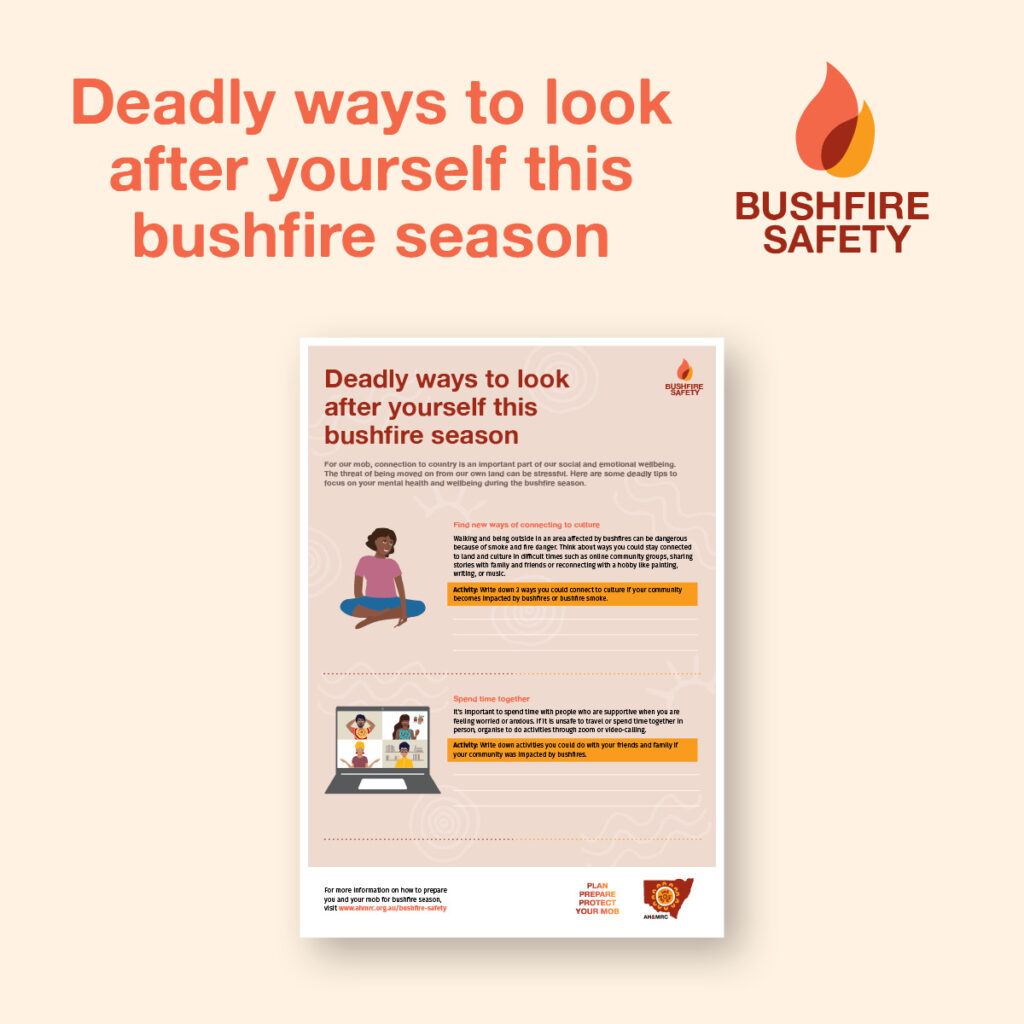
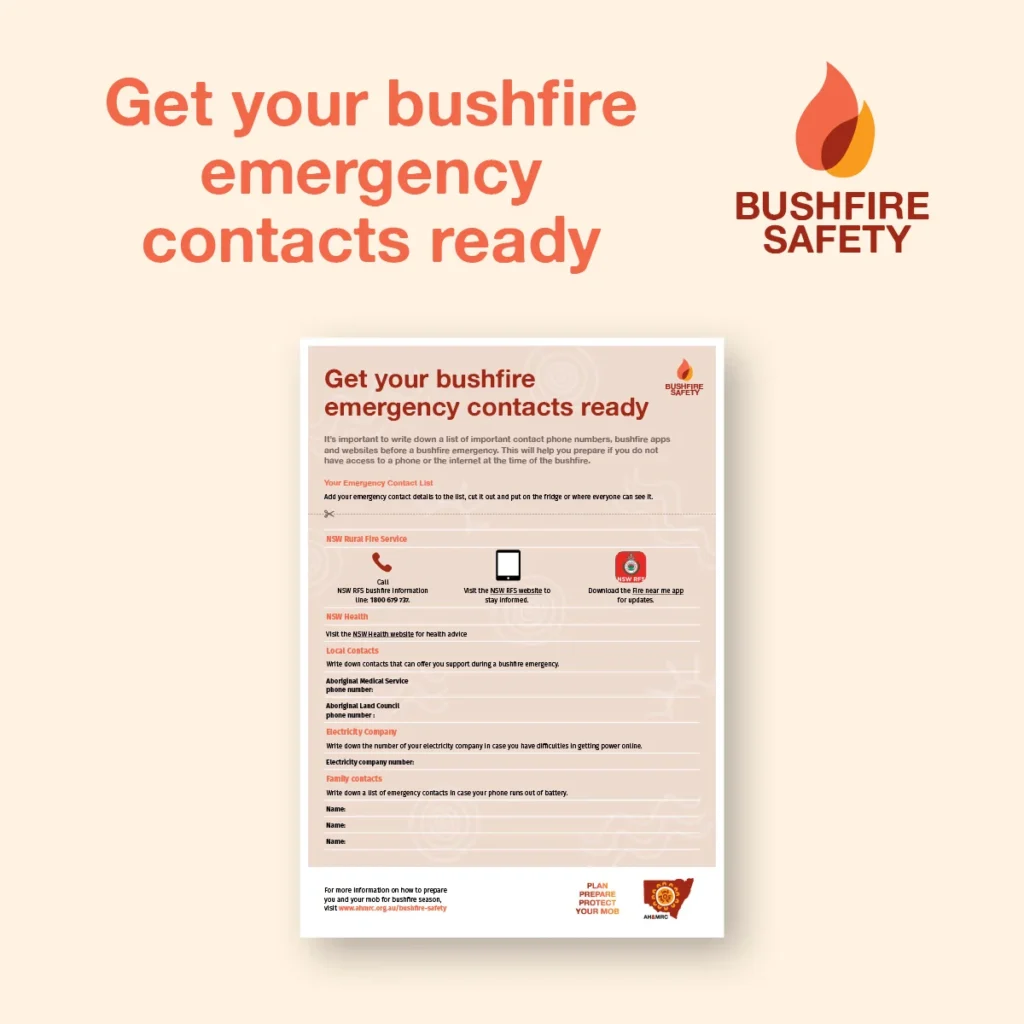
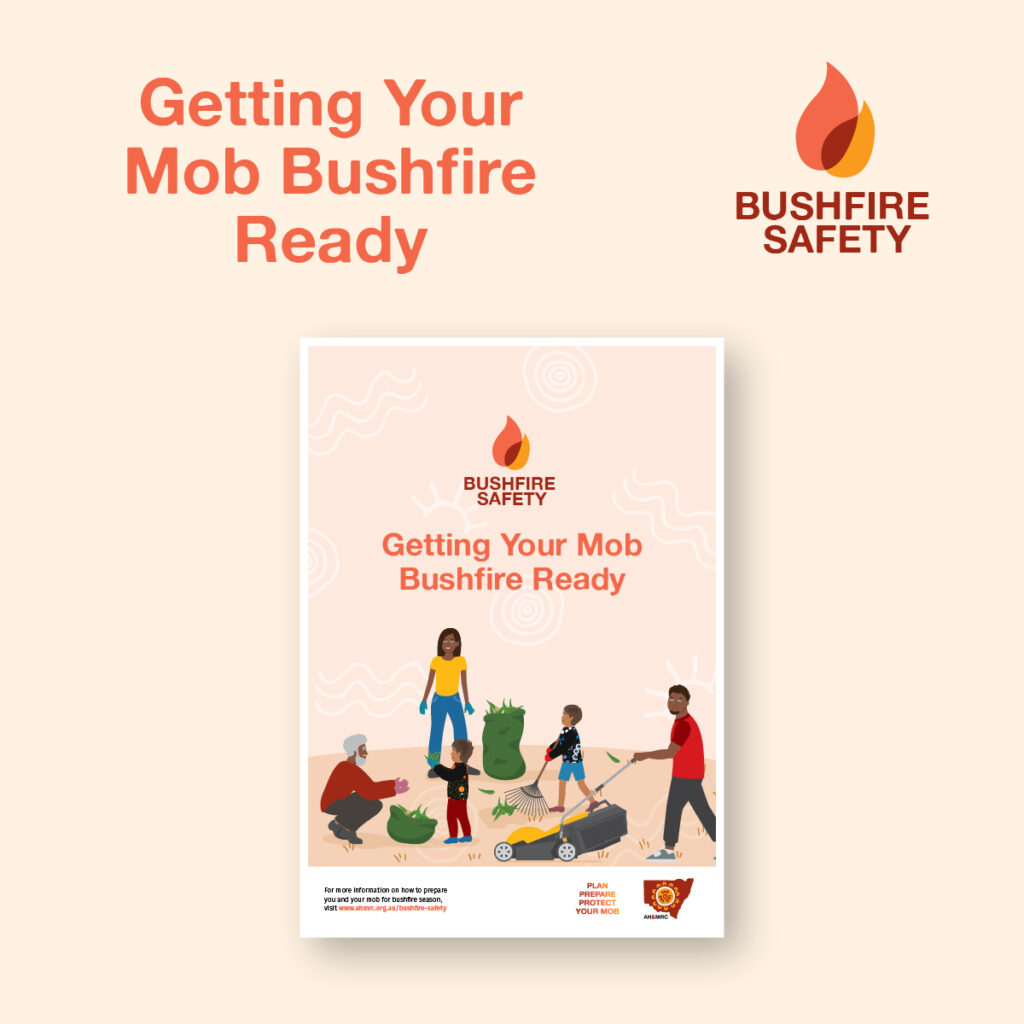
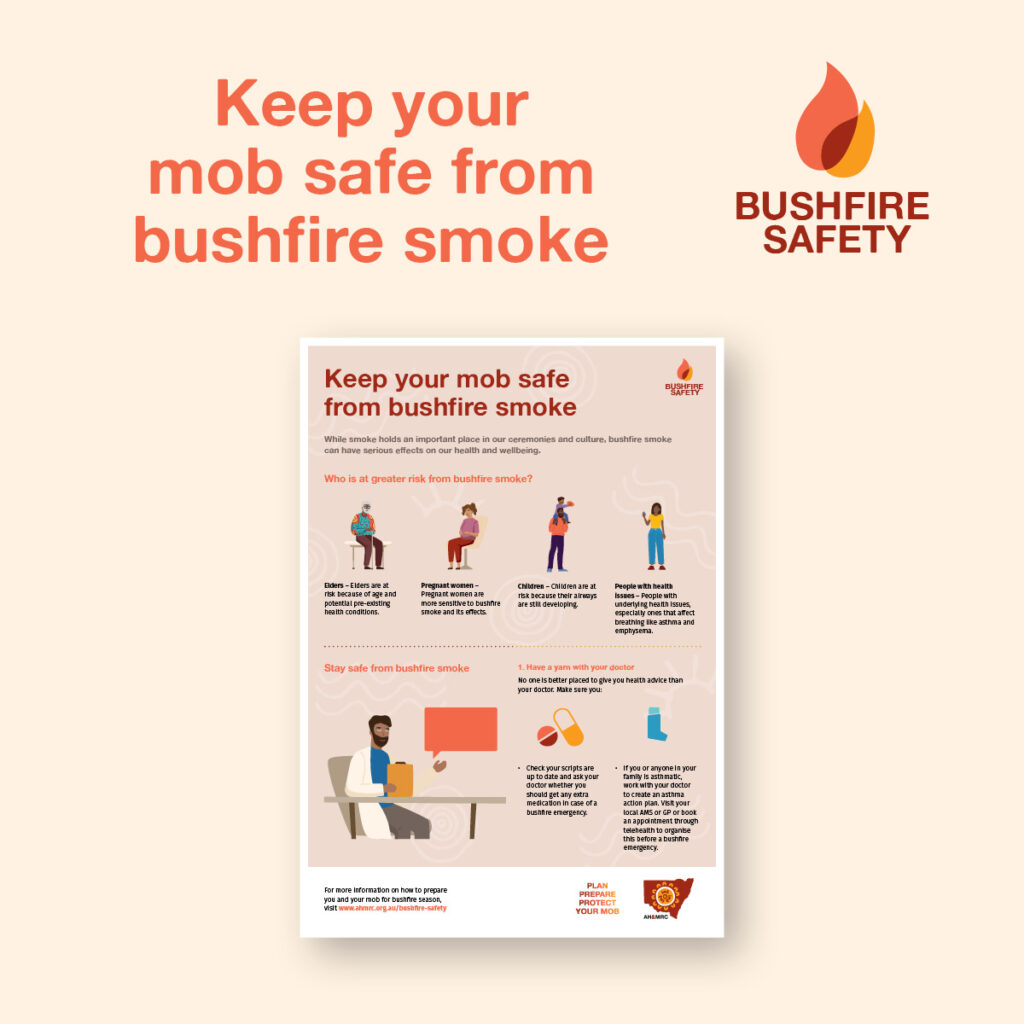
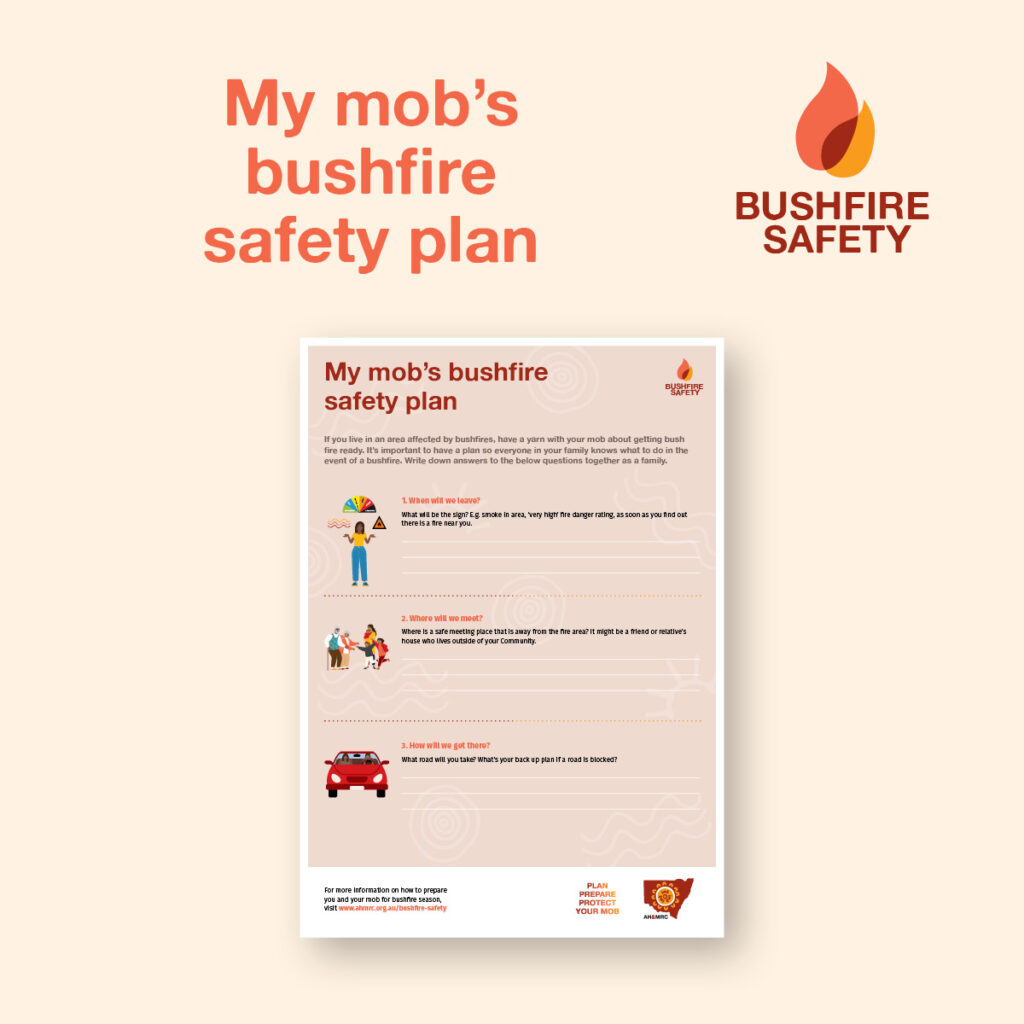
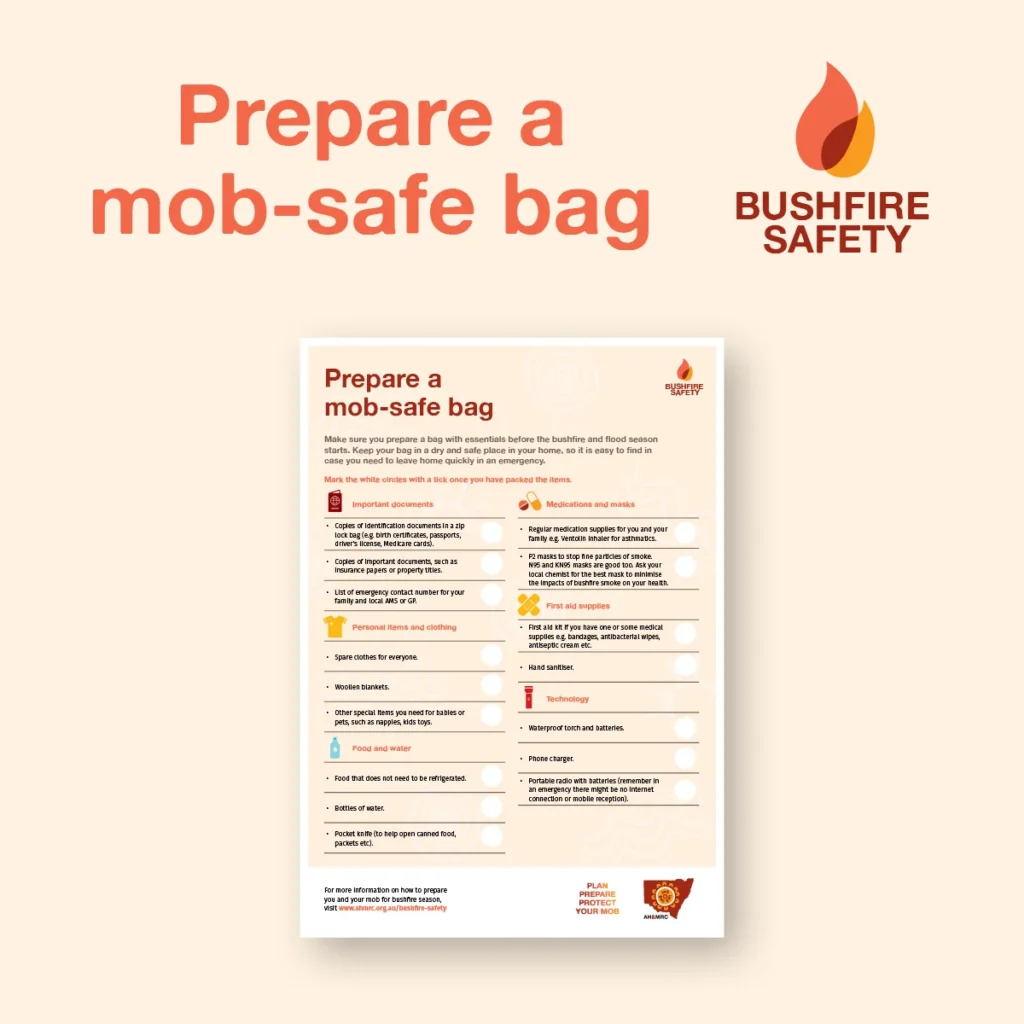
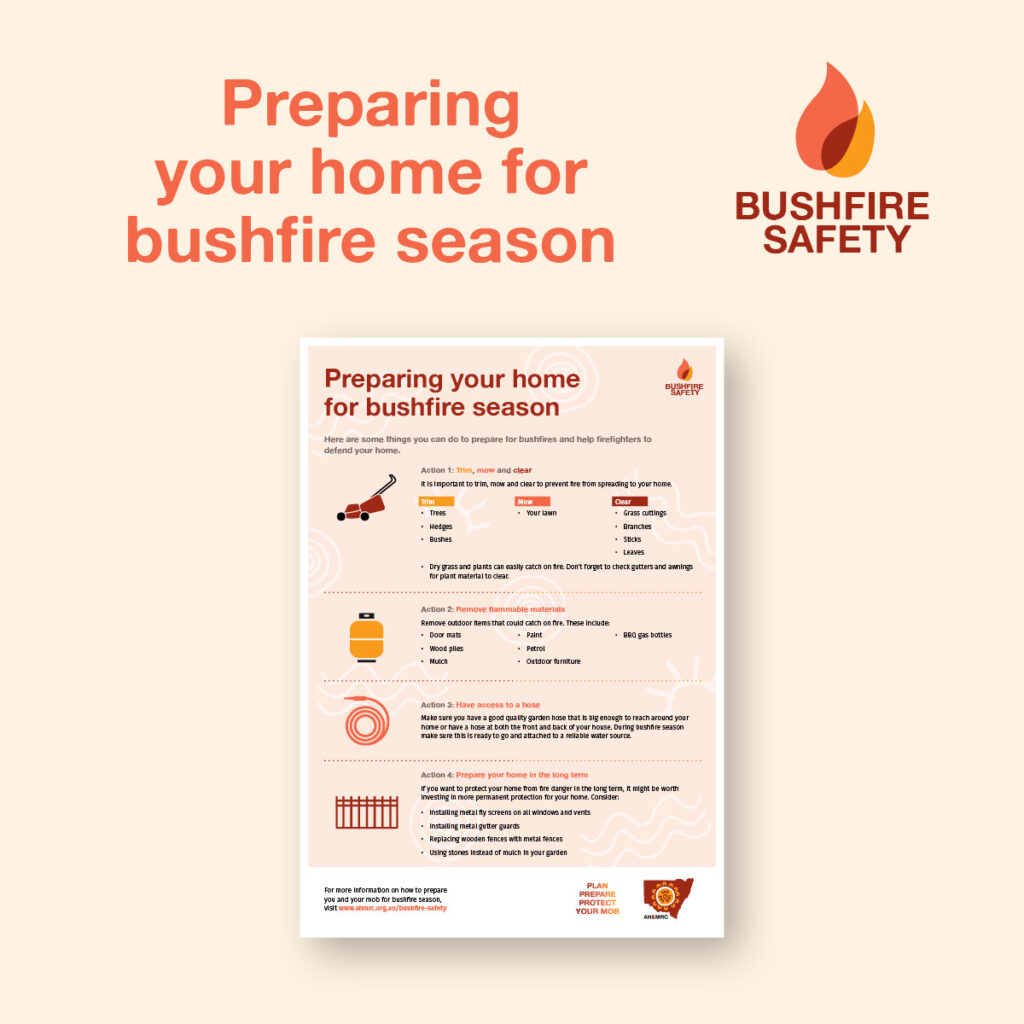
Bushfire Safety

AH&MRC Responding to Bushfire Emergencies

The following are examples of checklists of what to do during the activation phase of an emergency. The steps outlined can be used in the event of a severe emergency

AH&MRC Responding to Floods, Storms, Tsunamis and Hurricane Emergencies

The following are examples of checklists of what to do during the activation phase of an emergency. The steps outlined can be used in the event of a severe emergency.

AH&MRC Responding to Other Emergencies and Hazards

The following are examples of checklists of what to do during the activation phase of an emergency. The steps outlined can be used in the event of a severe emergency

AH&MRC Responding to Heatwave Emergencies

The following are examples of checklists of what to do during the activation phase of an emergency. The steps outlined can be used in the event of a severe emergency