





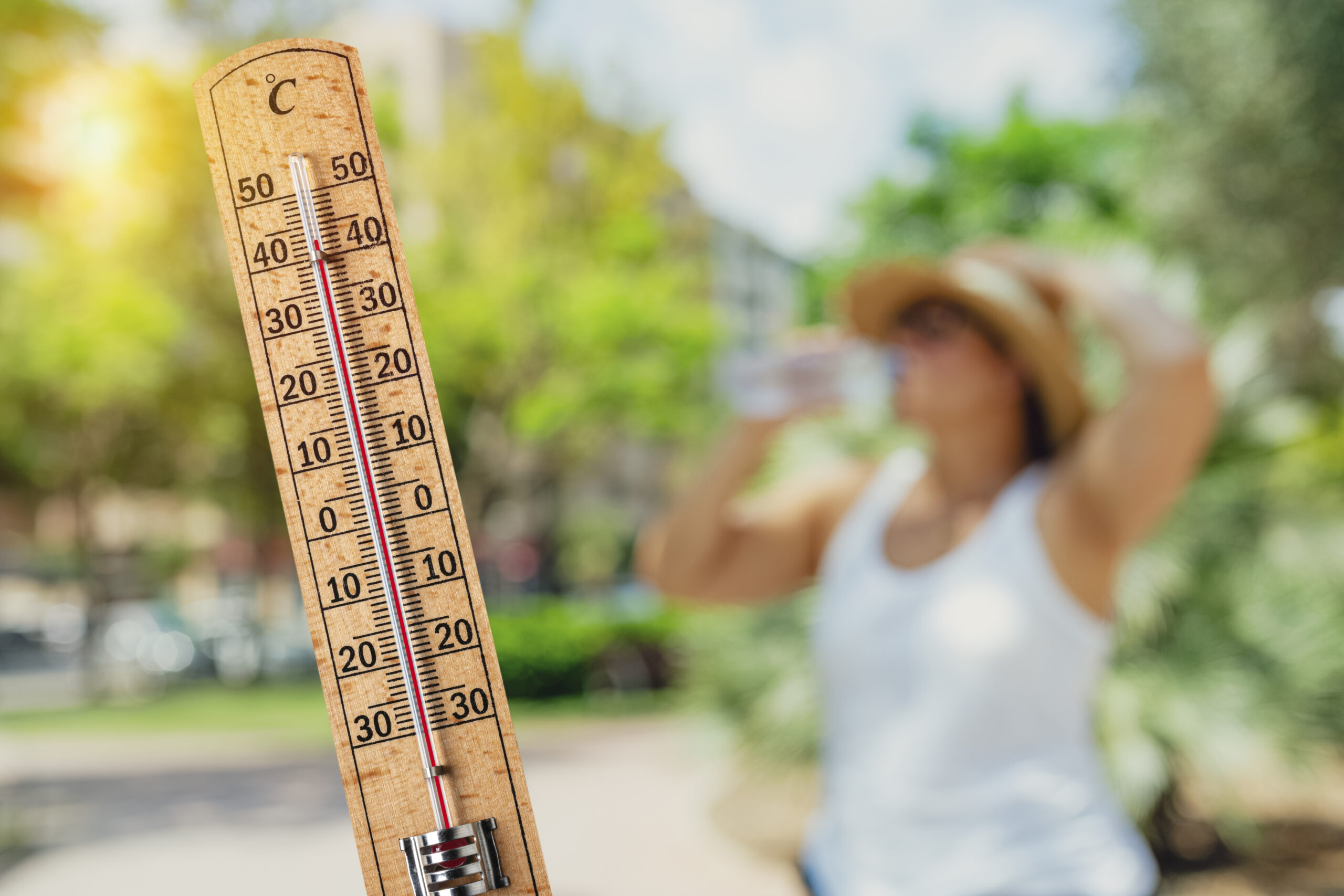
AH&MRC recently participated in the NSW Health Emergency Management Forum, where a clear message emerged from discussions: summers are becoming hotter, and heatwaves are becoming more common and more dangerous. Heatwaves are Australia’s deadliest natural hazard, making heat-related illness an increasingly important consideration for ACCHOs and primary care services.
Primary care teams are well placed to identify patients at increased risk, provide preventative advice, and support community preparedness before extreme heat occurs.
What is a heatwave?
A heatwave occurs when both day and nighttime temperatures are unusually hot for 3 or more days. Warm nights are a key feature of heatwaves because they reduce the body’s ability to recover from daytime heat exposure.
Who is most at risk?
ACCHO teams should proactively identify and support community members who may be at increased risk of heat-related illness, including:
- Elders
- Bubs and young children
- Pregnant and breastfeeding women
- People living with chronic health conditions
- People who work outdoors or in hot environments
- People with limited access to cooling, transport and social support.
How can primary care support heatwave preparedness?
Encourage patients to plan ahead and discuss practical preparations for hot weather:
- Have a plan for power outages, including safe storage of food and temperature-sensitive medications
- Ensure patients know how to access medical advice from their general practitioner, pharmacist, ACCHO or other source of trusted health advice such as Healthdirect
- Encourage patients to identify cooler locations they can access during extreme heat
- Discuss the signs and symptoms of heat-related illness and when to seek urgent medical care
Discuss practical ways to stay cool and hydrated:
- Use air-conditioning or fans where available. Running a fan alongside air-conditioning can help circulate cool air throughout a room, allowing the thermostat to be set a few degrees higher while maintaining comfort and reducing electricity costs.
- Wear lightweight, loose-fitting clothing
- Keep curtains and blinds closed during the hottest part of the day, and stay in the coolest part of the house where possible
- Reduce heat from cooking
- Use cool showers, damp cloths or ice packs to cool your body
- Stay out of the sun and drink plenty of water
Review medications and health conditions
- Encourage patients to discuss medication storage with their pharmacist
- Consider whether patients taking medicines affected by dehydration or heat stress may require additional advice
- Remind patients with chronic conditions to seek medical advice early if symptoms worsen during hot weather.
Prepare now, protect mob and be ready to respond when the heat hits!
Useful resources to support your service and community
- Emergency Response Resources – AH&MRC
- AH&MRC Emergency Activation Framework & Appendix (including the practical planning tool on page 42)
- AH&MRC Beat the Heat Toolkit
- Australian Indigenous HealthInfoNet Hot Weather Resources
- Preparing for Heatwaves (NSW Government)
For assistance accessing resources or developing heatwave preparedness activities, email publichealth@ahmrc.org.au