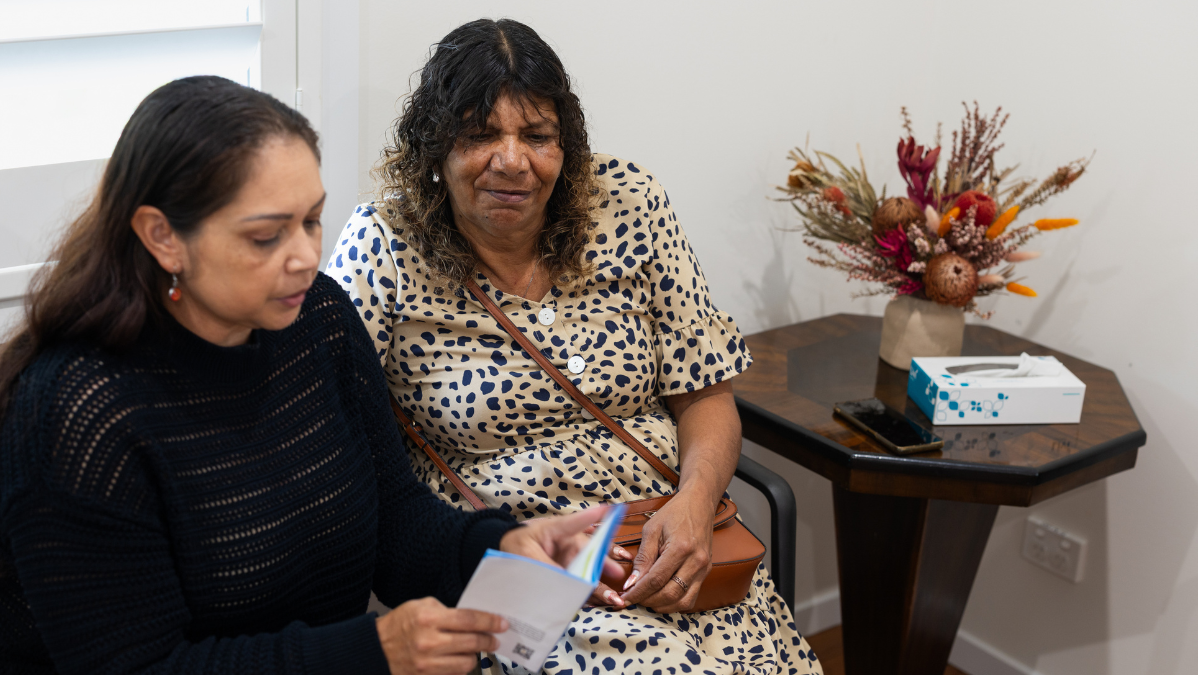



AHMRC together with ASHM and with the support of NSW Health, held the inaugural Deadly Sex NSW event on 17-18th March at the AHMRC Little Bay campus.
This event bought together over 55 Aboriginal and Torres Strait Islander clinicians, community, outreach and health promotion workers and peers from across NSW.
The program was guided by our theme ‘Yarning about Sexual Health: Building Strength, Breaking Barriers’.
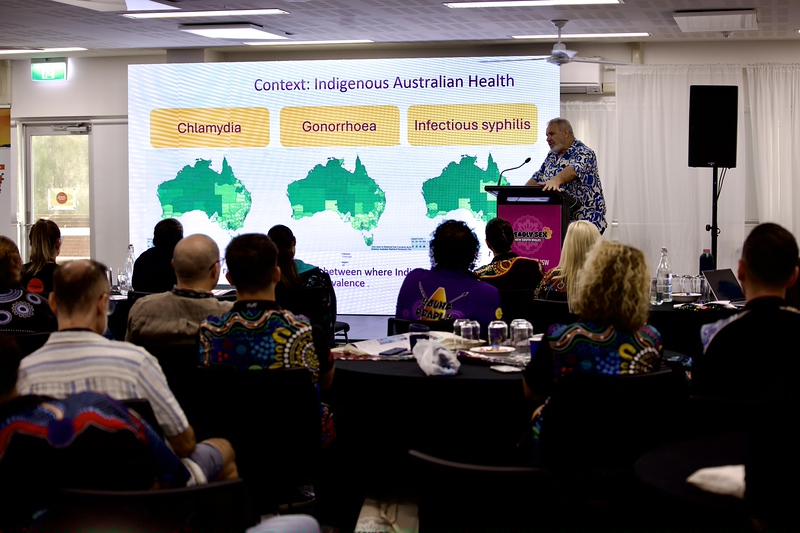
We were privileged to have Professor James Ward as our opening Keynote Speaker who took us through the timeline of where we’ve been to where we could be into the 2030s. He encouraged this event to mark the return of collaboration across the NSW landscape to utilise all the tools we have as there is no ‘silver bullet’ in facing the challenges of STIs and BBVs in our communities.
Cooper and Rebekah from Maari Ma Health Aboriginal Corporation in Broken Hill provided an overview of their service-wide sexual health activity plan. The activity plan shaped the implementation and normalisation of STI screening with a standardised approach across their service. They developed a useful resource for locum clinicians and were able to identify the impact and challenges to improving and maintaining sexual health screening in their communities.
The NSW Sexual Health InfoLink (SHIL) presented their state-wide nurse-led digital and phone services for consumers and health professionals. In the current landscape, with increased syphilis notifications, their Syphilis Support Program is a valuable resource for health professionals. It provides a designated access point to assist with result interpretation, syphilis staging, treatment options and contact tracing. Health Professionals can contact the SHIL Syphilis Support Program on 1800 451 624.
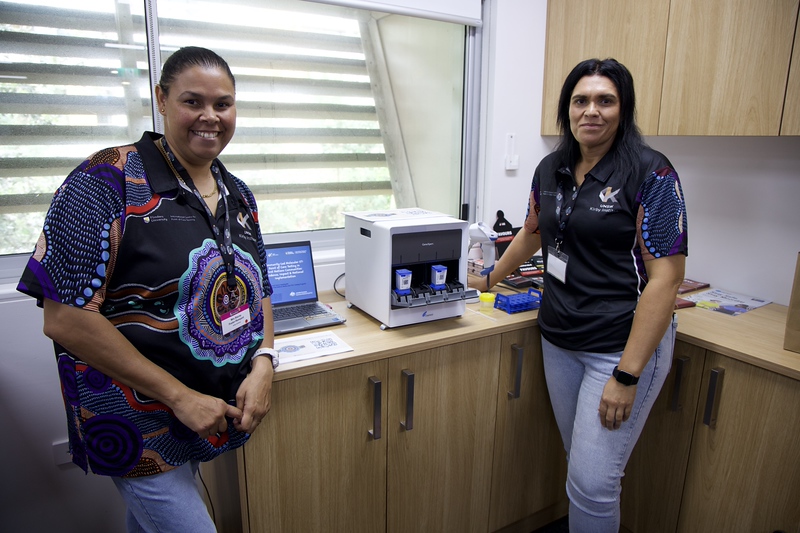
The Kirby Institute presented on the National First Nations Community-led Molecular STI Point of Care Testing. Mel provided an overview of the program which enables same day testing and treatment for Chlamydia, Gonorrhoea and Trichomonas with Tanya providing the supporting data. Delegates were able to interact with the GeneXpert machine and consumables that are used within the program.
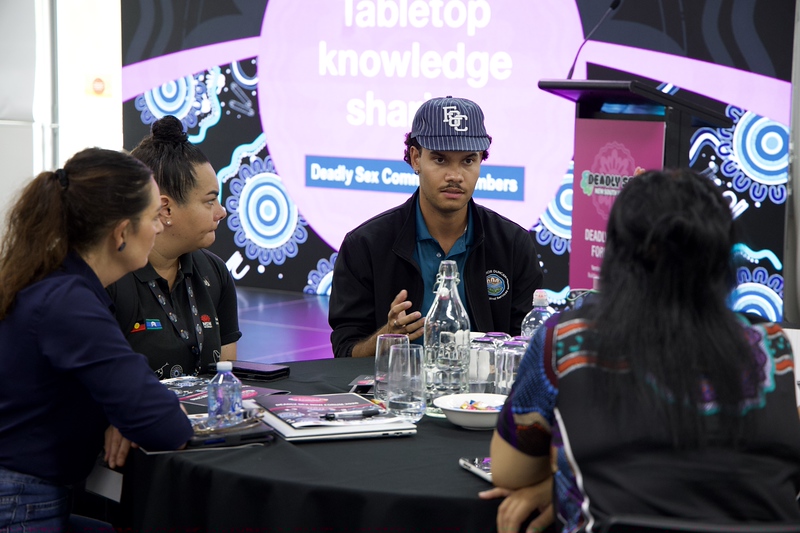
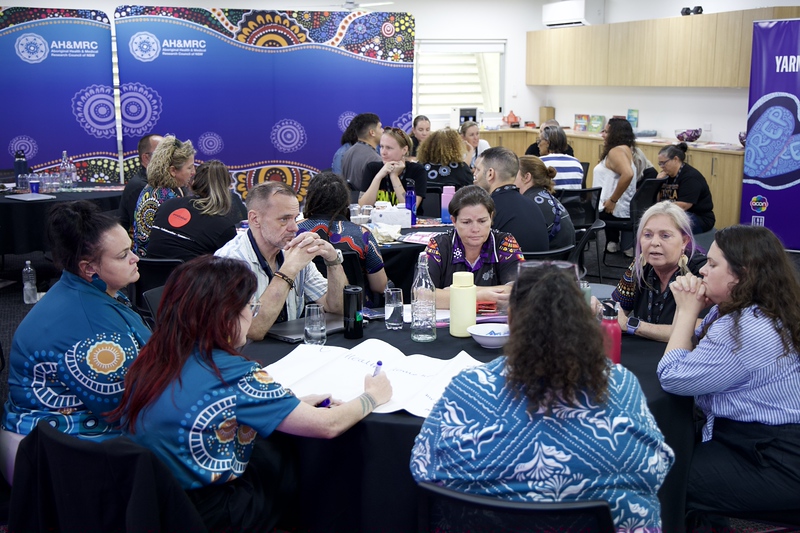
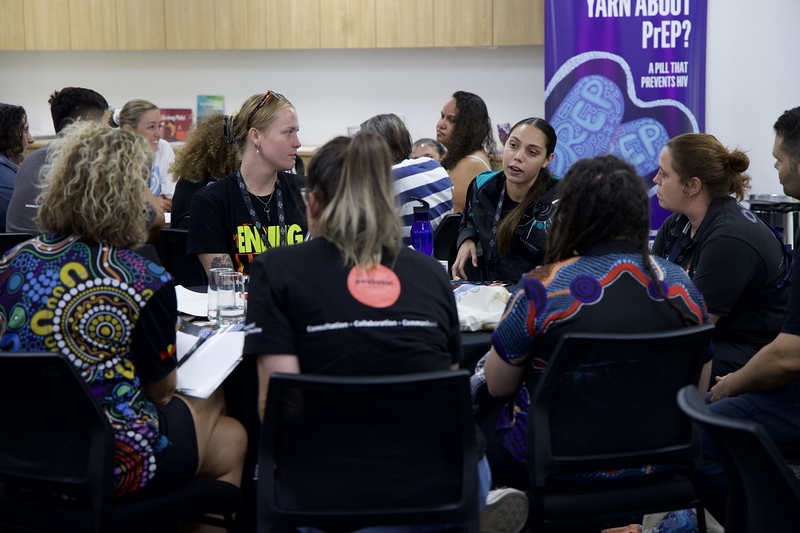
We moved on to our knowledge sharing tabletop experience where delegates were able to spotlight the great initiatives they use in their services and communities to promote and normalise sexual health. The feedback from the groups highlighted that in their ‘ideal world’ unrestricted funding opportunities would greatly impact the work that needs to be done in their communities.
Matilda, a sexual health nurse from the Kirketon Road Centre talked us through ‘taking a sexual history’. She covered what questions need to be asked and why we need to ask them. The importance of normalising the conversation and finding opportunities when and where we interact with our clients, including a 715 health assessment.
The NSW STI Program Unit (STIPU) shared the many programs, resources and partnerships they have that support early detection, treatment, management and promotion of sexual health in NSW.
Before we wrapped up day 1, we heard about the collaborative efforts to create the NSW edition of the Yarning Quiet Ways resource. This resource enables parents and caregivers to safely support young people through conversations about safe and healthy relationships and growing up.
Day 2 kicked off with a strong focus on peer-led initiatives and removal of stigma and discrimination.
From Sex Workers Outreach Project NSW (SWOP) Aunty Rusty and Nyx shared their experiences and work as peers, in the support they provide to mob in urban and rural areas of NSW. For some, sex work or sex for favours is a way of living and SWOP continues to advocate for non-judgment to ensure safety, health and wellbeing to all in this sector.
Peers from NSW Users and AIDS Association (NUAA), who represent the voices and needs of drug-users in NSW communities, presented on the many programs their service provides. They touched on the importance of peers to reduce stigma and discrimination in their communities when talking about harm minimisations and accessing resources and services.
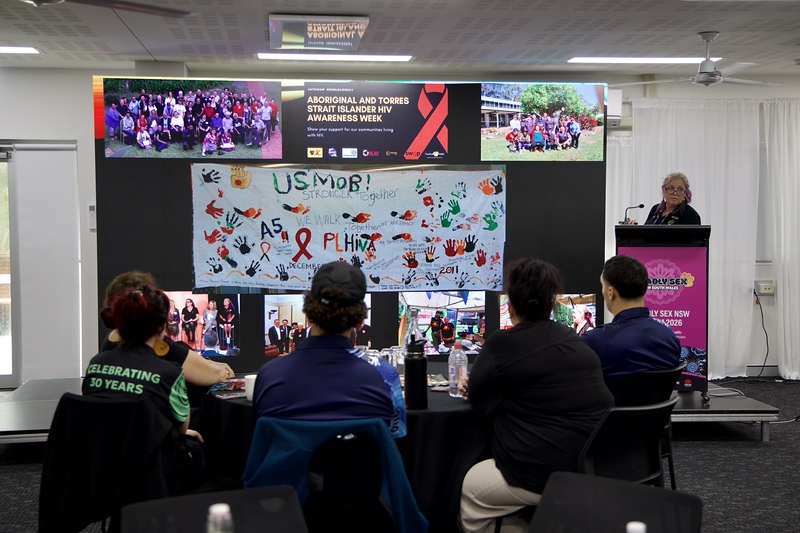
Michelle, from Positive Aboriginal and Torres Strait Islander Network (PATSIN) is a strong advocate for Aboriginal and Torres Strait Islander people living with HIV. She shared the origins of the organisation on the back of the stigma and discrimination that surrounded the HIV/AIDS epidemic. Knowing they were ‘Stronger Together’, the organisation is celebrating its 21st anniversary this year. Michelle shared a preview screening of their anniversary video, both stark and touching in tribute to those that have walked together and continue to support communities around HIV.
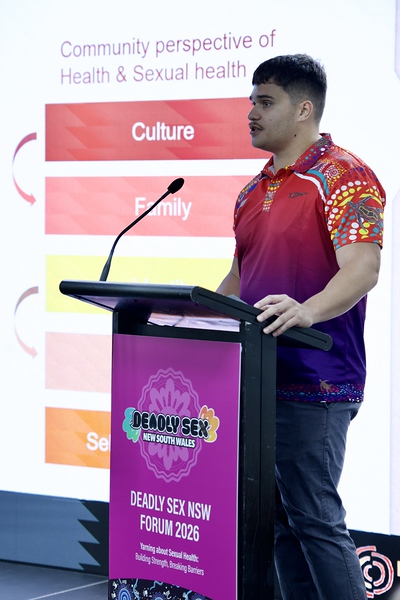
Maia from Hepatitis NSW – and the recipient of our “Most deadly up and coming champion for First Nation’s sexual health” walked us through moving away from transactional engagement to relational engagement. This allows communities to feel safe, trusted and empowered to lead, making conversations about sexual health more open.
Jinny-Jane from AIDS Council of NSW (ACON) talked on gender: identity, experience and expression and the use of pronouns. While shame and stigma can be a barrier for LGBTQI+SB from accessing services, providing inclusive practice with affirming health care and respectful language like use of pronouns and willingness to be open, can go a long way in improving health outcomes.
Rob Monaghan from The Kirby Institute provided the most recent National STI and BBV data. An important focus was on the increasing notifications of infectious syphilis and reported cases of congenital syphilis.
This segued nicely into our session from Kodie, the sexual health nurse at AHMRC, who provided an overview of syphilis: the symptoms, staging of the disease and treatment. While adding another tool to our kit, the syphilis point of care testing was also covered and we heard from our colleague, Cameron, from Western Australia, who discussed how they utilise the point of care screening tool within their urban services.
We finished off a jam-packed day with Rob again, who delivered a condensed version around self-care and identifying the impact of taking on the cultural load in your teams and the importance of saying no.
The Deadly Sex NSW event provided a safe and inclusive platform to yarn about sexual health. It created opportunities to network with peers and colleagues. Early feedback highlighted the success of the 2-day program and enthusiasm to continue this deadly work.